
A nurse is providing discharge teaching about the manifestations of relapse to the family of a client who has schizophrenia. Which of the following information should the nurse include in the teaching?
The client begins sleeping more than usual.
The client develops an inability to concentrate.
The client exhibits an inflated sense of self.
The client increases participation in social activities.
The Correct Answer is A
Choice A reason:
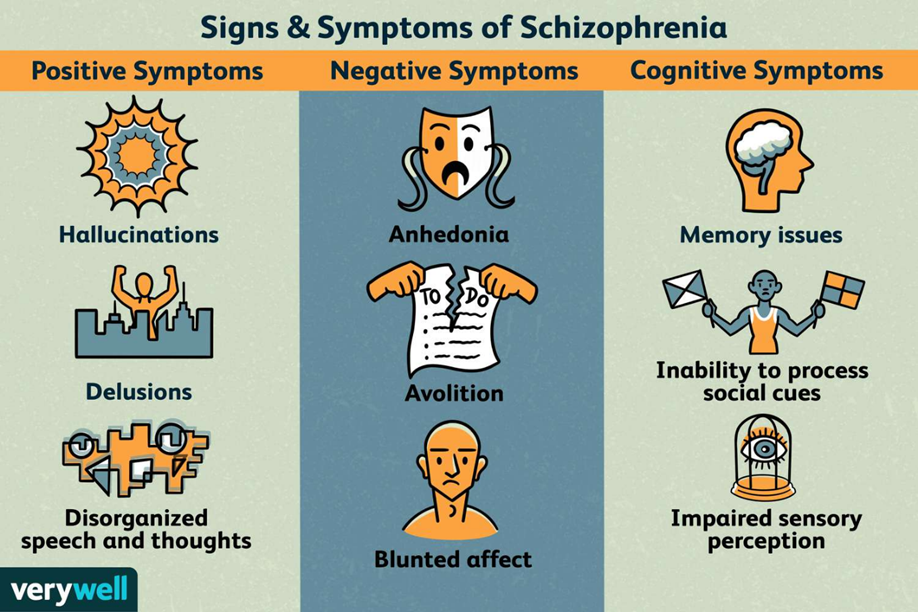
Excessive sleep or a significant change in sleep patterns can be an indicator of a relapse in schizophrenia. Schizophrenia can disrupt the regular sleep-wake cycle, leading to either insomnia or hypersomnia (excessive sleep). When a client with schizophrenia begins sleeping more than usual, it may suggest a worsening of symptoms or an impending relapse. It's essential for the nurse to include this information in the discharge teaching so that the family can monitor and seek help if the client's sleep patterns change significantly.
Choice B reason:
An inability to concentrate is another potential sign of a relapse in schizophrenia. Cognitive difficulties, including problems with concentration, are common in schizophrenia and can worsen during a relapse. This symptom can affect the client's ability to function daily and adhere to treatment plans. Therefore, it is crucial for the nurse to educate the family about this sign so they can recognize it early and consult with healthcare providers.
Choice C reason:
Exhibiting an inflated sense of self is not typically associated with schizophrenia relapse. While some individuals with schizophrenia might experience grandiose delusions, an inflated sense of self is not a common or specific sign of relapse. The family should be aware of more characteristic symptoms such as changes in sleep, concentration, mood, or behavior.
Choice D reason:
Increasing participation in social activities is generally not a sign of relapse in schizophrenia; in fact, it is often encouraged as part of the recovery process. Social withdrawal, rather than increased participation, would be more concerning and could indicate a relapse. It's important for families to support the client's social engagement as it can be beneficial for their overall well-being.
Nursing Test Bank
Naxlex Comprehensive Predictor Exams
Related Questions
Correct Answer is D
Explanation
Choice A reason:
Writing a detailed daily activity schedule is not typically associated with acute mania. In fact, individuals experiencing mania often have difficulty maintaining structured routines due to their heightened energy levels and racing thoughts.
Choice B reason:
Refusing to engage in conversation is more indicative of depressive episodes rather than manic episodes. During mania, individuals are usually more talkative and may have pressured speech.
Choice C reason:
Isolating oneself from others is another behavior more commonly associated with depression. In contrast, those experiencing mania often seek out social interactions and may be overly sociable.
Choice D reason:
Reporting a lack of sleep is a hallmark symptom of acute mania. Individuals in a manic state often feel little need for sleep and may go for days with minimal rest without feeling tired. This lack of sleep can exacerbate other manic symptoms, such as irritability, impulsivity, and grandiosity.
Correct Answer is C
Explanation
Choice A reason:
While the client's anger towards the provider is a valid emotional response and needs to be addressed, it is not the immediate priority. Anger is a common stage in the grieving process, and the nurse should acknowledge the client's feelings and provide support, but it does not pose an immediate risk to the client's physical health.
Choice B reason:
Feelings of guilt are also part of the normal grieving process. The nurse should provide a supportive environment for the client to express these feelings and work through them. However, this emotional concern, while important, is not as urgent as the client's physical health needs.
Choice C reason:
The client's inability to eat more than once a day is the most immediate concern because it can lead to nutritional deficiencies and affect overall health. This issue requires prompt intervention to ensure the client's physical well-being. The nurse should assess the reasons for the client's poor appetite and collaborate with the healthcare team to address this issue, potentially involving a dietitian and providing emotional support.
Choice D reason:
Recalling negative experiences during the marriage indicates that the client is processing past events, which is a part of the grieving process. It is important for the nurse to listen and provide support. However, this is not the immediate priority compared to the client's nutritional intake and physical health.
Whether you are a student looking to ace your exams or a practicing nurse seeking to enhance your expertise , our nursing education contents will empower you with the confidence and competence to make a difference in the lives of patients and become a respected leader in the healthcare field.
Visit Naxlex, invest in your future and unlock endless possibilities with our unparalleled nursing education contents today