
A nurse is preparing to administer diphenhydramine 1.25 mg/kg IM to a child who weighs 68 lb. Available is diphenhydramine injection 50 mg/mL. How many mL should the nurse administer? (Round the answer to the nearest tenth. Use a leading zero if it applies. Do not use a trailing zero.)
The Correct Answer is ["0.8"]
First, the child's weight needs to be converted from pounds to kilograms. There are approximately 2.2 pounds in 1 kilogram.
68 lb ÷ 2.2 = 30.9 kg
Next, the dose of diphenhydramine in mg can be calculated by multiplying the child's weight in kg by the dose in mg/kg.
1.25 mg/kg × 30.9 kg = 38.6 mg
Finally, to calculate the number of mL the nurse should administer, you need to divide the dose of diphenhydramine in mg by the concentration of the diphenhydramine injection in mg/mL.
38.6 mg ÷ 50 mg/mL = 0.8 mL
So, the nurse should administer 0.8 mL of diphenhydramine injection.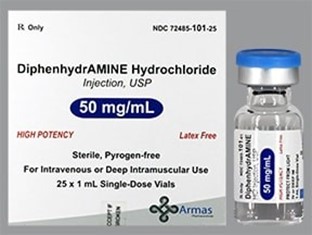
Nursing Test Bank
Naxlex Comprehensive Predictor Exams
Related Questions
Correct Answer is B
Explanation
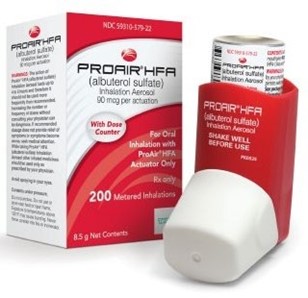
The prescription for albuterol inhalation aerosol 8.5 g, inhale 1 to 2 puffs orally every 4 to 6 hr as needed for asthma is a PRN prescription. PRN stands for "pro re nata," which means "as needed" in Latin. This type of prescription allows the patient to take the medication as needed for a specific condition or symptom, rather than on a regular schedule.
Correct Answer is ["0.5"]
Explanation
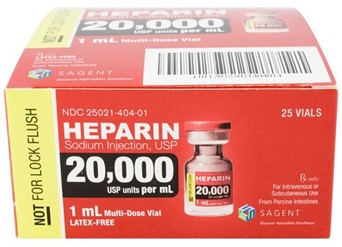
To calculate the required mL of heparin injection per dose, we need to use the following formula: mL = (units per dose) ÷ (units per mL)
Substituting the given values in the formula, we get:
mL = (10,000 units) ÷ (20,000 units/mL) mL = 0.5 mL
Whether you are a student looking to ace your exams or a practicing nurse seeking to enhance your expertise , our nursing education contents will empower you with the confidence and competence to make a difference in the lives of patients and become a respected leader in the healthcare field.
Visit Naxlex, invest in your future and unlock endless possibilities with our unparalleled nursing education contents today