
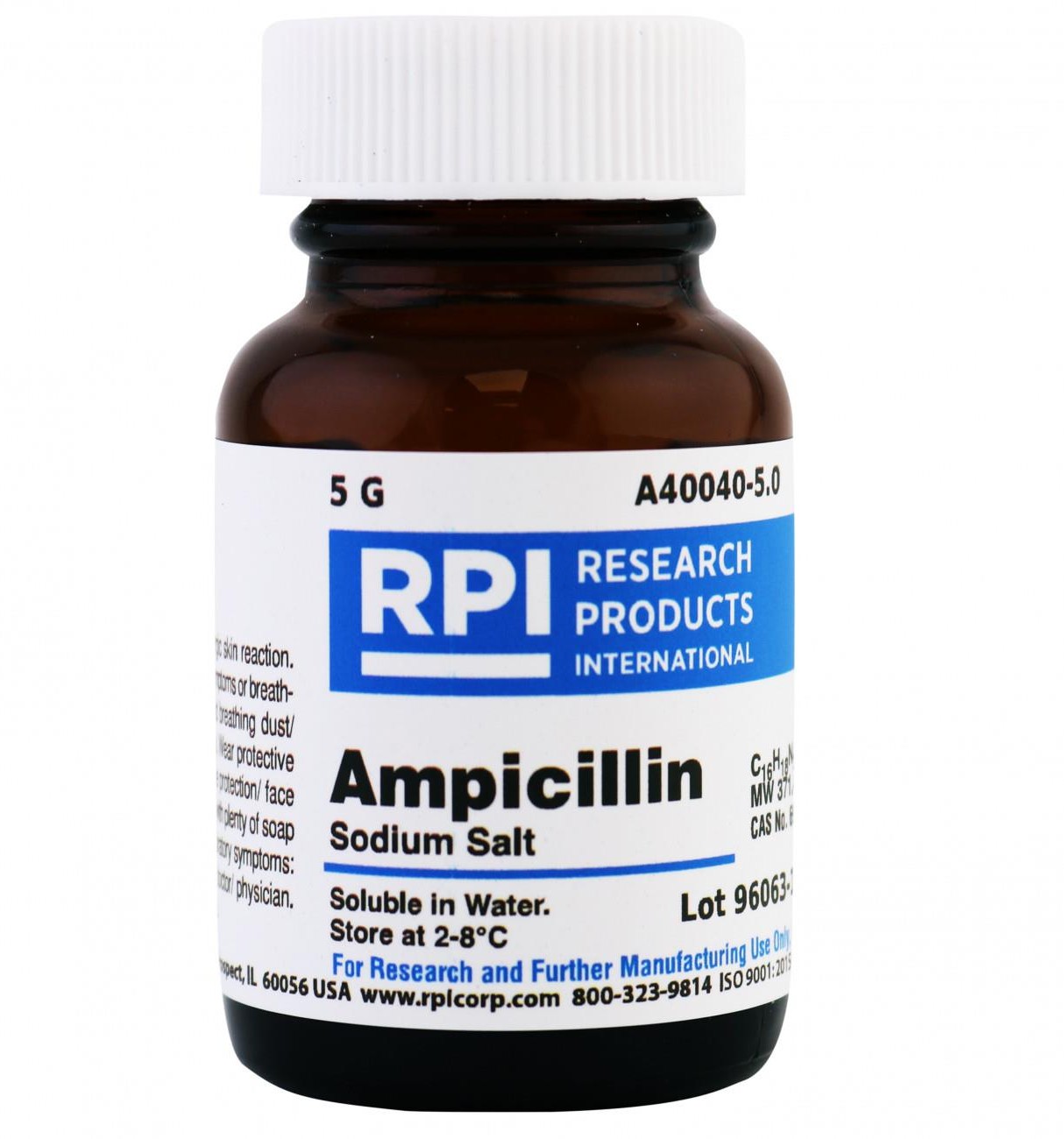
A nurse is preparing to administer ampicillin to a school-age child who weighs 55 lb. The provider prescribes 50 mg/kg/day in 4 equal doses. Available is ampicillin oral suspension 125 mg/5 mL. How many ml should the nurse administer with each dose?
(Round the answer to the nearest tenth. Use a leading zero if it applies. Do not use a trailing zero.)
The Correct Answer is ["12.5"]
To calculate the dose of ampicillin for a school-age child who weighs 55 lb, follow these steps: Convert the weight from pounds to kilograms:
55 lb × 1 kg/2.2 lb = 25 kg
Calculate the total daily dose of ampicillin:
50 mg/kg/day × 25 kg = 1250 mg/day
Divide the total daily dose by the number of doses per day:
1250 mg/day ÷ 4 doses/day = 312.5 mg/dose
Convert the dose from milligrams to milliliters using the concentration of the oral suspension:
312.5 mg/dose ÷ 125 mg/5 mL = 12.5 mL/dose
So, the nurse should administer approximately 12.5 mL of ampicillin oral suspension with each dose.
Nursing Test Bank
Naxlex Comprehensive Predictor Exams
Related Questions
Correct Answer is B
Explanation
Rationale:
A. Drinking an average of 2,000 milliliters of water daily is a healthy habit that promotes bowel elimination.
B. Taking a prescribed opioid pain medication at bedtime can cause constipation and impaired bowel elimination.
C. Eating apples and black-eyed peas is a healthy dietary choice that promotes bowel elimination.
D. Drinking two hot cups of coffee each morning can promote bowel elimination for some individuals.
Correct Answer is B
Explanation
Rationale:
A. Moving the stronger leg forward before moving the weaker leg is incorrect and may increase the risk of falls.
B. Holding the cane on the stronger side provides support and stability while walking.
C. Moving the cane forward 18 inches is incorrect and may increase the risk of falls.
D. Wearing shoes with smooth soles may decrease traction and increase the risk of falls.
Whether you are a student looking to ace your exams or a practicing nurse seeking to enhance your expertise , our nursing education contents will empower you with the confidence and competence to make a difference in the lives of patients and become a respected leader in the healthcare field.
Visit Naxlex, invest in your future and unlock endless possibilities with our unparalleled nursing education contents today