
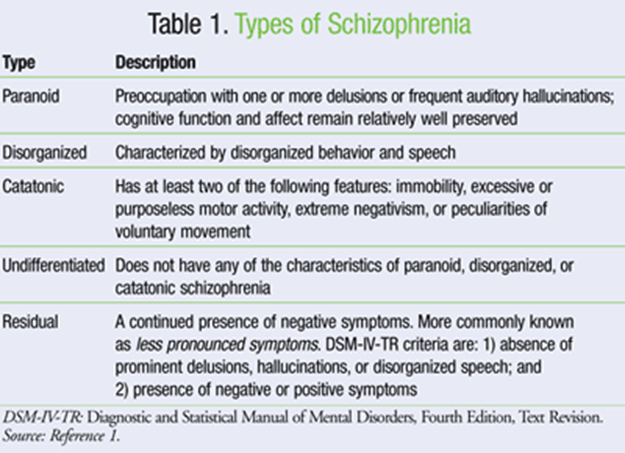
A nurse is planning care for a client who has paranoid schizophrenia. Which of the following interventions should be included in the plan of care?
Use touch to calm the client during periods of anxiety
Check the clients mouth after the client takes medication
Rotate the staff assignments for this client
Assign an assistive personnel to feed the client at meat times
The Correct Answer is B
A. Use touch to calm the client during periods of anxiety:
Individuals with paranoid schizophrenia may have heightened sensitivity to touch, and it can potentially exacerbate their anxiety or paranoia. This intervention may not be appropriate as it could escalate the client's distress.
B. Check the client's mouth after the client takes medication:
This is the best choice. People with paranoid schizophrenia may be prone to hoarding or pocketing medications. Checking the client's mouth ensures that the medication has been swallowed, promoting medication adherence and preventing potential harm.
C. Rotate the staff assignments for this client:
Consistency in caregivers is generally preferred for clients with schizophrenia to build trust and a therapeutic relationship. Constantly changing staff assignments can lead to increased anxiety and mistrust.
D. Assign an assistive personnel to feed the client at meal times:
While assistance with feeding may be needed, assigning an assistive personnel without direct supervision for a client with paranoid schizophrenia may not be the best approach. It's important to ensure the client's safety and monitor their behavior during meals.
Nursing Test Bank
Naxlex Comprehensive Predictor Exams
Related Questions
Correct Answer is B
Explanation
A. Use touch to calm the client during periods of anxiety:
Individuals with paranoid schizophrenia may have heightened sensitivity to touch, and it can potentially exacerbate their anxiety or paranoia. This intervention may not be appropriate as it could escalate the client's distress.
B. Check the client's mouth after the client takes medication:
This is the best choice. People with paranoid schizophrenia may be prone to hoarding or pocketing medications. Checking the client's mouth ensures that the medication has been swallowed, promoting medication adherence and preventing potential harm.
C. Rotate the staff assignments for this client:
Consistency in caregivers is generally preferred for clients with schizophrenia to build trust and a therapeutic relationship. Constantly changing staff assignments can lead to increased anxiety and mistrust.
D. Assign an assistive personnel to feed the client at meal times:
While assistance with feeding may be needed, assigning an assistive personnel without direct supervision for a client with paranoid schizophrenia may not be the best approach. It's important to ensure the client's safety and monitor their behavior during meals.
Correct Answer is D
Explanation
A. Having an advanced degree in engineering:
While pursuing an advanced degree can be challenging, it is not inherently a source of psychological distress. It may represent a personal and professional accomplishment.
B. Attending a community center daily:
Attending a community center daily is a regular activity and may not necessarily be a source of psychological distress. It could be a positive and fulfilling aspect of one's routine.
C. Belonging to the middle-class socioeconomic group:
Belonging to the middle-class socioeconomic group is not inherently a source of psychological distress. Socioeconomic status alone does not determine psychological well-being, and being in the middle class can provide stability and resources.
D. Being the only person of their ethnicity in a school setting:
This qualifies as a source of psychological distress. Being the only person of a particular ethnicity in a school setting may lead to feelings of isolation, cultural dissonance, and a sense of being different. Such situations can contribute to psychological distress and impact mental well-being.
Whether you are a student looking to ace your exams or a practicing nurse seeking to enhance your expertise , our nursing education contents will empower you with the confidence and competence to make a difference in the lives of patients and become a respected leader in the healthcare field.
Visit Naxlex, invest in your future and unlock endless possibilities with our unparalleled nursing education contents today