
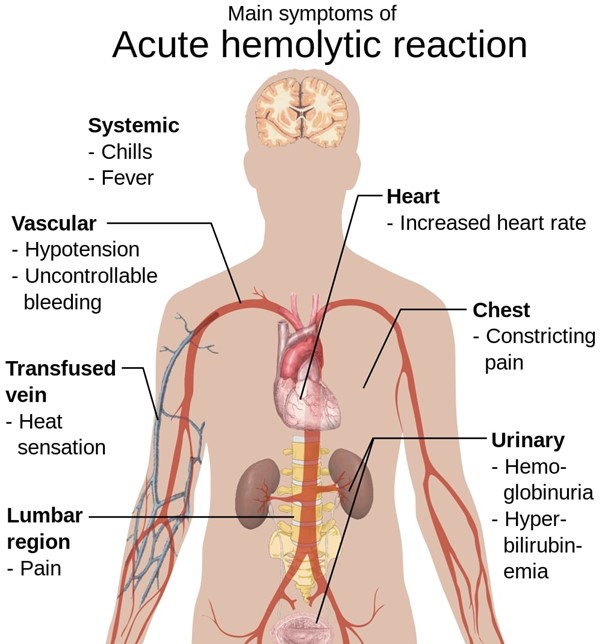
A nurse is monitoring a client who is receiving 2 units of packed RBCs. Which of the following manifestations indicates a hemolytic transfusion reaction?
Bradycardia
Hypertension
Back pain
Chills
The Correct Answer is C
Choice A Reason:
Bradycardia - Bradycardia is not a typical symptom of a haemolytic transfusion reaction.
Choice B Reason;
Hypertension - Hypertension is not a common manifestation of a haemolytic transfusion reaction.
Choice C Reason:
Back pain A haemolytic transfusion reaction is a severe and potentially life-threatening complication that can occur when the immune system reacts against the transfused red blood cells. Back pain is a classic symptom of a haemolytic transfusion reaction. It is often accompanied by other symptoms such as fever, chills, chest pain, dyspnoea, nausea, vomiting, haematuria, and hemoglobinuria (presence of haemoglobin in the urine).
Choice D Reason:
Chills - Chills can occur in various types of transfusion reactions, including haemolytic reactions, but they are not as specific as back pain for indicating a haemolytic transfusion reaction.
Nursing Test Bank
Naxlex Comprehensive Predictor Exams
Related Questions
Correct Answer is C
Explanation
Choice Areason:
Placing pillows under the client's knees might be useful for comfort, but it doesn't directly address the risk of DVT.
Choice Breason:
Discouraging leg exercises while in bed is not recommended because it can lead to decreased circulation and an increased risk of blood clot formation.
Choice C reason:
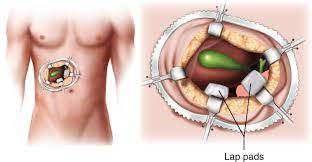
Applying compression stockings to the lower extremities is recommendable. After an open cholecystectomy surgery, the client is at risk for developing deep vein thrombosis (DVT) due to reduced mobility and surgical trauma. Applying compression stockings to the lower extremities can help improve blood circulation and reduce the risk of blood clot formation.
Choice D reason:
Avoiding the use of anticoagulants is not recommendable, if prescribed by the healthcare provider, could be detrimental in preventing postoperative complications like DVT. Anticoagulants are often used to prevent clot formation in high-risk surgical patients.
Correct Answer is C
Explanation
Choice A reason:
Recommending staying at a local shelter might not be appropriate unless the client's health is in immediate danger due to the low temperature. It's better to explore other options first.
Choice B reason:
Contacting the client's family members about their financial status might not be necessary or respectful of the client's privacy without their consent.
Choice C reason:
Contact the local Department of Health and Human Services for the client. Contacting the local Department of Health and Human Services can help ensure that appropriate resources and assistance are provided to the client. They may have programs or services available to assist individuals who are struggling to afford heating during the winter. This action addresses the immediate concern of the client's health and the living environment.
Choice D reason:
Providing information about the dangers of hypothermia is important, but the client's current situation of living in a cold environment should be addressed first. The nurse can provide this information along with appropriate resources to help the client.
Whether you are a student looking to ace your exams or a practicing nurse seeking to enhance your expertise , our nursing education contents will empower you with the confidence and competence to make a difference in the lives of patients and become a respected leader in the healthcare field.
Visit Naxlex, invest in your future and unlock endless possibilities with our unparalleled nursing education contents today