
A nurse is discussing the importance of good nutrition to a young pregnant client. The nurse would point out that the growing fetus is getting nutrition from the mother via which structure?
Umbilical arteries.
Placenta.
Amniotic fluid.
Decidua.
The Correct Answer is B
“Placenta.” The placenta is the structure that provides oxygen and nutrients to the growing fetus and removes waste products from the fetus’s blood.
Choice A is incorrect because the umbilical arteries carry deoxygenated blood and waste products from the fetus to the placenta.
Choice C is incorrect because amniotic fluid provides a cushion for the fetus and helps maintain a constant temperature in the uterus but does not provide nutrition.
Choice D is incorrect because the decidua is the lining of the uterus during pregnancy and does not provide nutrition to the fetus.
Nursing Test Bank
Naxlex Comprehensive Predictor Exams
Related Questions
Correct Answer is A
Explanation
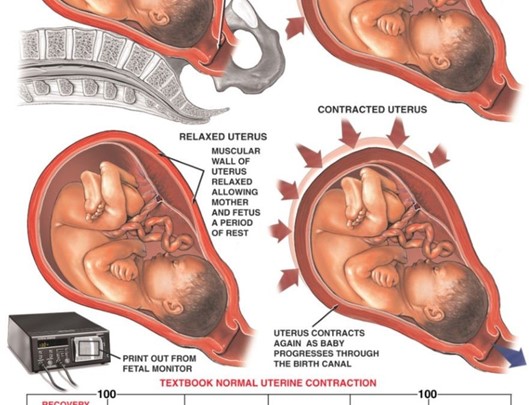
This is a sign of uterine hyperstimulation, which can cause fetal distress and excessive bleeding12.
The nurse should report this finding to the provider and monitor the fetal heart rate and maternal vital signs.
Choice B.
Early decelerations in the FHR are incorrect, as this is a normal finding during the second stage of labor, indicating head compression.
Choice C.
Pelvic pressure with contractions is incorrect, as this is an expected finding during the second stage of labor, indicating that the baby is descending through the birth canal.
Choice D.
Bloody show from the vagina is incorrect, as this is also an expected finding during the second stage of labor, indicating cervical dilation and effacement13.
Therefore, choice A is the best answer.
Correct Answer is C
Explanation
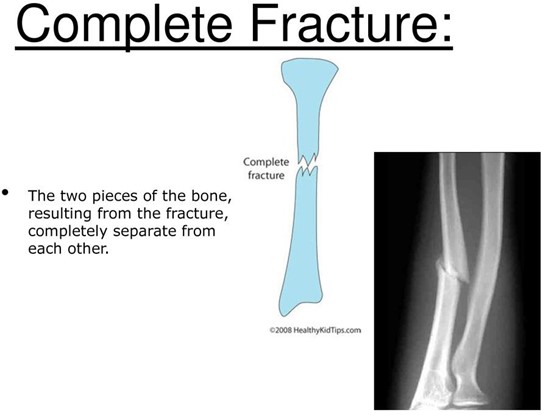
A complete fracture is when the bone breaks into two or more separate pieces.
This is in contrast to an incomplete fracture, where the bone is only partially broken.
A spiral fracture is a type of complete fracture that occurs when a long bone is twisted with force.
A greenstick fracture is a type of incomplete fracture that occurs when a bone bends and cracks but does not break completely.
Choice A, Spiral, is incorrect because it refers to a specific type of complete fracture that occurs when a long bone is twisted with force.
Choice B, Incomplete, is incorrect because it refers to a type of fracture where the bone is only partially broken.
Choice D, Greenstick, is incorrect because it refers to a specific type of incomplete fracture that occurs when a bone bends and cracks but does not break completely.
Whether you are a student looking to ace your exams or a practicing nurse seeking to enhance your expertise , our nursing education contents will empower you with the confidence and competence to make a difference in the lives of patients and become a respected leader in the healthcare field.
Visit Naxlex, invest in your future and unlock endless possibilities with our unparalleled nursing education contents today