
A nurse is discussing risk factors of postpartum haemorrhage with a newly licensed nurse. Which of the following conditions is a risk factor for postpartum haemorrhage that the nurse should include in the teaching?
Pregnancy-induced hypertension
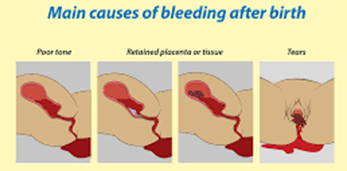
Retained placental fragments
oligohydramnios
Meconium-stained fluid
The Correct Answer is B
Postpartum haemorrhage (PPH) is defined as excessive bleeding following the birth of a baby. It is a major cause of maternal morbidity and mortality worldwide. Risk factors for PPH include uterine atony, retained placental fragments, genital tract trauma, coagulopathy, and previous history of PPH.
Nursing Test Bank
Naxlex Comprehensive Predictor Exams
Related Questions
Correct Answer is A
Explanation
A. A midline episiotomy is a surgical incision made in the perineal area during childbirth. It is recognized as a risk factor for postpartum infection due to the possibility of bacterial contamination during and after delivery. Proper care and monitoring are essential to prevent infection in the site of the incision.
B.meconium-stained fluid, is not typically a risk factor for maternal infection; it is more a concern for the infant's health if aspirated.
C.gestational hypertension, affects blood pressure during pregnancy but does not directly increase the risk of postpartum infection.
D.placenta previa, is a condition where the placenta covers the cervix, which can lead to bleeding but not infection. Therefore, among the given options, a midline episiotomy is the factor that most significantly places the postpartum client at risk for an infection.
Correct Answer is C
Explanation
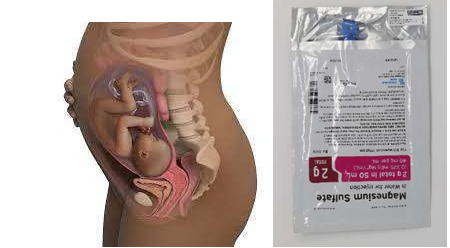
Absent deep tendon reflexes are a sign of magnesium toxicity, which can occur with high levels of magnesium in the bloodstream. This can be a serious complication that requires immediate atention from the provider.
Option A, a decrease in frequency of contractions, is actually a desired effect of magnesium sulfate in the management of preterm labor. It is not a cause for concern.
Option B, a blood pressure reading of 150/100 mm Hg, is high, but it is not necessarily related to the administration of magnesium sulfate. However, it should still be reported to the provider for appropriate management.
Option D, a urinary output of 35 mL/hr, is below the normal range but it may still be within an acceptable range for a client receiving magnesium sulfate. The provider should be notified if urinary output continues to decrease or if it falls below a certain threshold.
Whether you are a student looking to ace your exams or a practicing nurse seeking to enhance your expertise , our nursing education contents will empower you with the confidence and competence to make a difference in the lives of patients and become a respected leader in the healthcare field.
Visit Naxlex, invest in your future and unlock endless possibilities with our unparalleled nursing education contents today