
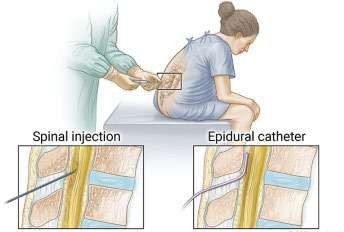
A nurse is caring for a client who is in labor and just received epidural anaesthesia. The client’s blood pressure is 90/50 mm Hg. Which of the following actions should the nurse take?
Turn the client onto their side
Initiate an amnioinfusion for the client
Administer naloxone to the client
Monitor the client’s blood pressure every 15 min
The Correct Answer is A
A common side effect of epidural anaesthesia is a drop in blood pressure. Turning the client onto their side can help improve blood flow to the uterus and baby and may help raise the mother’s blood pressure.
Nursing Test Bank
Naxlex Comprehensive Predictor Exams
Related Questions
Correct Answer is D
Explanation
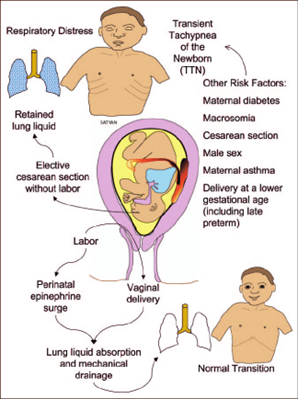
New onset tachypnea in a newborn is a concerning symptom and requires immediate assessment by the nurse. Tachypnea is defined as a respiratory rate greater than 60 breaths per minute in a newborn. It can be a sign of respiratory distress or other serious conditions, such as sepsis or cardiac disease.
Option a. A newborn who has a short frenulum and is having difficulty breastfeeding is a common issue that can be addressed by the nurse or lactation consultant. It does not require immediate assessment.
Option b. A newborn who is 24 hr old and has not had a meconium stool may be concerning, but it is not an emergency situation. It may be a sign of a bowel obstruction, but it is not an urgent condition.
Option c. A newborn who is 10 hr old and has blood-tinged discharge in her diaper may be a concerning symptom, but it is not an emergency situation. It may be related to maternal hormones and is a common finding in newborns.
Therefore, the correct option is d. A newborn who is 10 hr old and has new onset tachypnea. The nurse should assess the newborn's respiratory status, heart rate, and oxygen saturation and notify the healthcare provider immediately if there are any concerns.
Correct Answer is D
Explanation
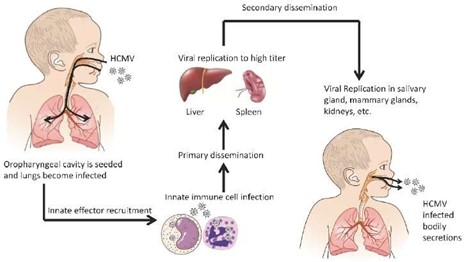
Cytomegalovirus (CMV) is a common virus that can cause serious health problems in newborns if the mother acquires a primary infection during pregnancy and passes the virus to the developing fetus. CMV can be transmited transplacentally or during delivery through contact with infected body fluids.
Newborns who acquire CMV transplacentally may exhibit a range of symptoms, including jaundice, hepatosplenomegaly, thrombocytopenia, microcephaly, and hearing loss. Of the options listed, only hearing loss is consistent with a congenital CMV infection.
Macrosomia (option a) refers to a condition in which a baby is born larger than average for gestational age. It is not typically associated with a congenital CMV infection.
Cataracts (option b) are a clouding of the lens of the eye and are not typically associated with a congenital CMV infection.
Urinary tract infection (option c) is a possible complication of a congenital CMV infection, but hearing loss is a more common and specific finding.
Whether you are a student looking to ace your exams or a practicing nurse seeking to enhance your expertise , our nursing education contents will empower you with the confidence and competence to make a difference in the lives of patients and become a respected leader in the healthcare field.
Visit Naxlex, invest in your future and unlock endless possibilities with our unparalleled nursing education contents today