
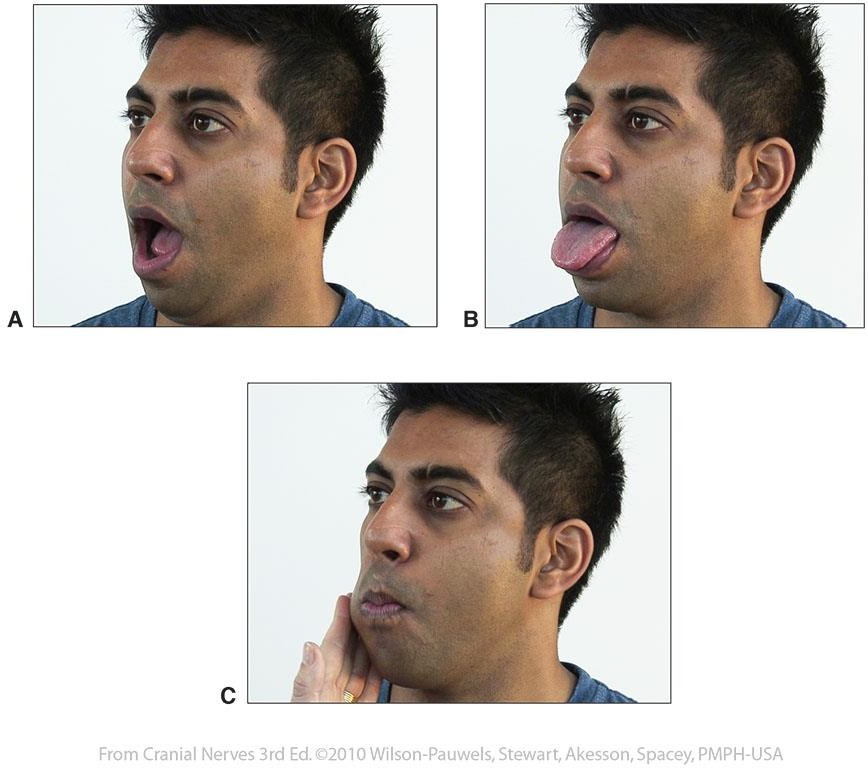
A nurse is collecting data about cranial nerve function from an adult client. Which of the following images depicts the method the nurse should use to check the function of the hypoglossal cranial nerve (XII)?
Image A
 |
B.
C.
Image B
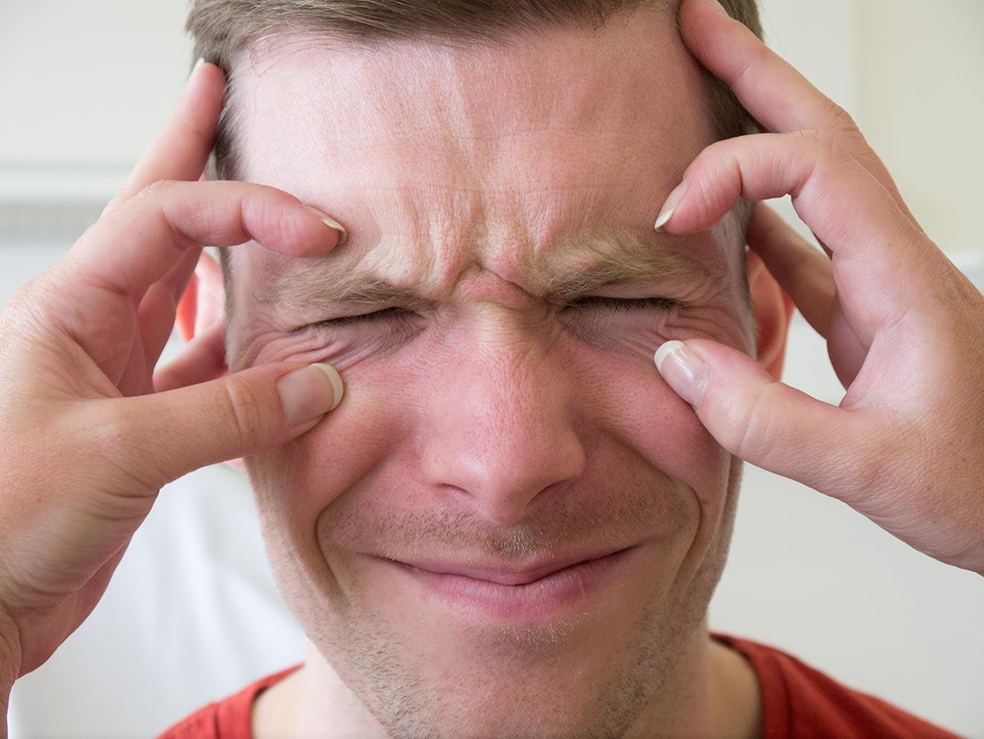
Image C
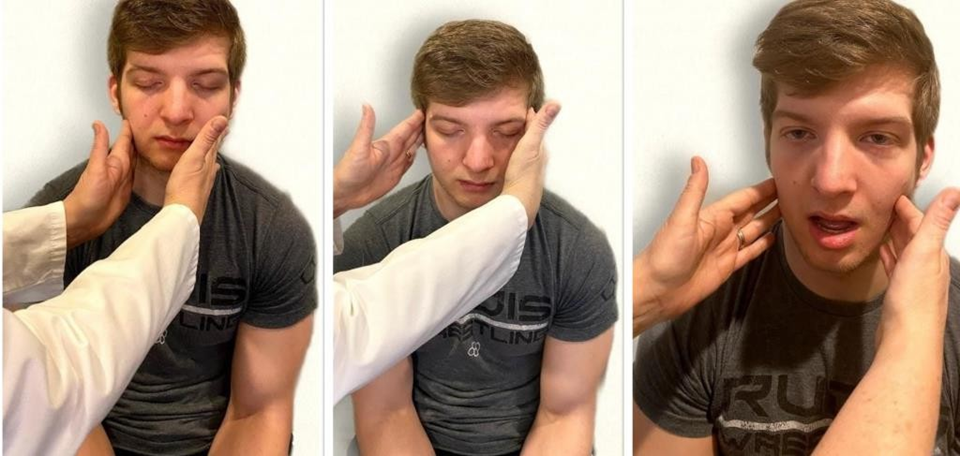
Image D
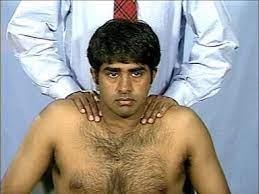
Image A
Image B
Image C
Image D
The Correct Answer is A
A. The hypoglossal nerve is tested by checking for tongue deviation.
B. This action tests the facial nerve
C. This action tests the trigeminal nerve
D. This action tests the spinal accessory nerve
Nursing Test Bank
Naxlex Comprehensive Predictor Exams
Related Questions
Correct Answer is D
Explanation
A. Monthly breast self-examinations are valuable, but the recommended starting age is typically earlier, around age 20, regardless of family history.
B. While regular breast examinations by a healthcare provider are important, they may not be sufficient as the primary screening method for breast cancer.
C. Breast ultrasound may be used as a supplementary screening tool but is not typically recommended as the primary screening method.
D. Mammograms are the primary screening method for breast cancer, and for women without a family history, they are typically recommended to start at age 40, although guidelines may vary slightly.
Correct Answer is A
Explanation
A. Ensure that the stool specimen does not contain urine: Fecal occult blood tests are designed to detect blood in the stool, so it's important to ensure that the specimen
collected is not contaminated with urine, which could yield a false-positive result.
B. Wear sterile gloves when handling the stool specimen: Sterile gloves are not typically required for handling stool specimens for fecal occult blood testing. Standard
precautions, including hand hygiene and wearing non-sterile gloves, are sufficient.
C. Repeat the test three times using the same stool specimen: The test is typically
performed once on a fresh stool specimen, and repeating the test with the same specimen is not recommended.
D. Have the client defecate into a bedpan that contains a small amount of water: Fecal occult blood testing requires a small sample of stool collected from a bowel movement. Using a bedpan with water may dilute the stool and affect the accuracy of the test.
Whether you are a student looking to ace your exams or a practicing nurse seeking to enhance your expertise , our nursing education contents will empower you with the confidence and competence to make a difference in the lives of patients and become a respected leader in the healthcare field.
Visit Naxlex, invest in your future and unlock endless possibilities with our unparalleled nursing education contents today