
A nurse is caring for a client who is receiving ceftriaxone intravenously.
Which of the following manifestations should the nurse identify as an allergic reaction?
Polyuria.
Hypotension.
Nausea.
Bradycardia.
The Correct Answer is B
This is because hypotension (low blood pressure) can be a sign of anaphylaxis, which is a severe allergic reaction that can occur with ceftriaxone.
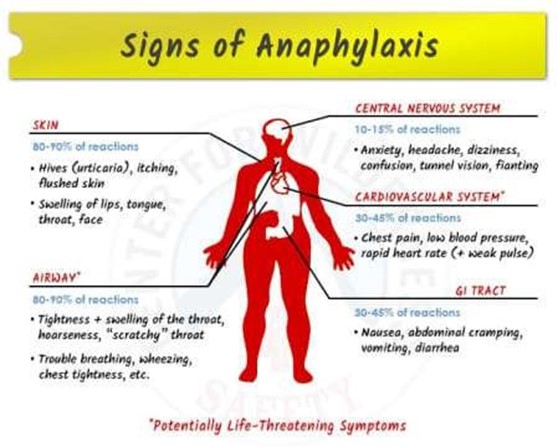
Choice A is wrong because polyuria (increased urination) is not a common sign of an allergic reaction to ceftriaxone.
Choice C is wrong because nausea can be a side effect of ceftriaxone but is not specific to an allergic reaction.
Choice D is wrong because bradycardia (slow heart rate) is not a common sign of an allergic reaction to ceftriaxone.
Nursing Test Bank
Naxlex Comprehensive Predictor Exams
Related Questions
Correct Answer is C
Explanation
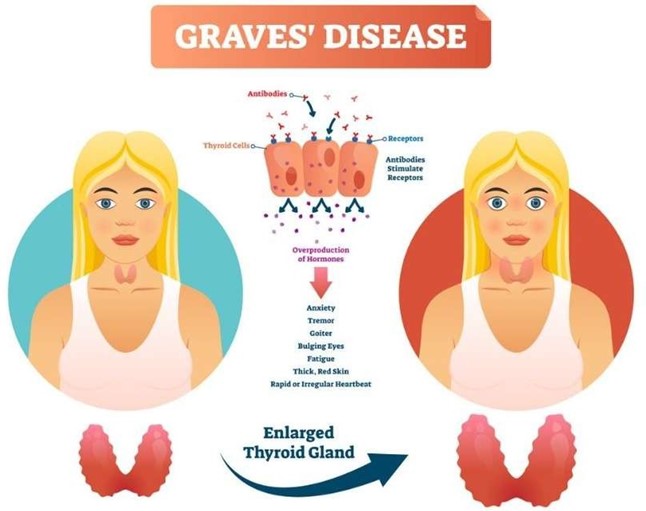
Methimazole is a medication used to treat hyperthyroidism, a condition where the thyroid gland produces too much thyroid hormone.
Bradycardia, or a slow heart rate, can be a sign that the client’s thyroid hormone levels have become too low, indicating that the dose of methimazole may need to be decreased.
Choice A is wrong because Exophthalmos, is not an indication for a lower dose of methimazole as it is a symptom of Graves’ disease itself and not related to the medication.
Choice B is wrong because Diaphoresis, or excessive sweating, is also not an indication for a lower dose of methimazole as it can be a symptom of hyperthyroidism.
Choice D is wrong because Weight loss, is also not an indication for a lower dose of methimazole as it can be a symptom of hyperthyroidism.
Correct Answer is C
Explanation
Propranolol is a beta-blocker that is used to treat high blood pressure and other heart conditions.
Abrupt discontinuation of propranolol can result in a variety of adverse reactions, including tachycardia (increased heart rate).
Choice A is wrong because bradypnea (abnormally slow breathing) is not a known withdrawal symptom of propranolol.
Choice B is wrong because hyperkalemia (high potassium levels) is not a known withdrawal symptom of propranolol.
Choice D is wrong because rhinitis (inflammation of the nasal mucous membrane) is not a known withdrawal symptom of propranolol.
Whether you are a student looking to ace your exams or a practicing nurse seeking to enhance your expertise , our nursing education contents will empower you with the confidence and competence to make a difference in the lives of patients and become a respected leader in the healthcare field.
Visit Naxlex, invest in your future and unlock endless possibilities with our unparalleled nursing education contents today