
A nurse in an emergency department is caring for a client who had a seizure and became unresponsive after stating she had a sudden, severe headache and vomiting. The client's vital signs are as follows: blood pressure of 198/110 mm Hg, pulse of 82/min, respirations of 24/min, and a temperature of 38.2° C (100.8° F). Which of the following neurologic disorders should the nurse suspect?
Thrombotic stroke
Transient ischemic atack (TIA)
Embolic stroke
Hemorrhagic stroke
The Correct Answer is D
Hemorrhagic stroke is a type of stroke that occurs when a blood vessel ruptures in the brain, causing bleeding and increased intracranial pressure. The client's symptoms of sudden, severe headache, vomiting, seizure, and
unresponsiveness are consistent with hemorrhagic stroke. The client's elevated blood pressure and temperature are also risk factors for hemorrhagic stroke.
Thrombotic stroke is a type of stroke that occurs when a blood clot forms in an artery that supplies blood to the brain, causing ischemia and tissue damage. The client's symptoms are not typical of thrombotic stroke, which usually has a gradual onset and affects one side of the body.
Transient ischemic atack (TIA) is a temporary interruption of blood flow to the brain, causing neurologic deficits that resolve within 24 hours. The client's symptoms are not indicative of TIA, which does not cause loss of consciousness or permanent brain damage.
Embolic stroke is a type of stroke that occurs when a blood clot or other debris travels from another part of the body to the brain, causing occlusion and ischemia. The client's symptoms are not characteristic of embolic stroke, which usually has a sudden onset and affects one side of the body.
Nursing Test Bank
Naxlex Comprehensive Predictor Exams
Related Questions
Correct Answer is C
Explanation
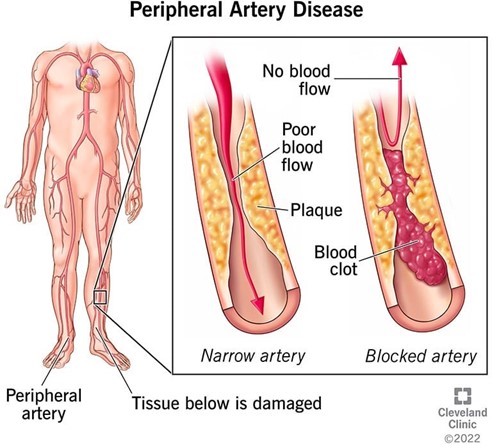
feet or toes that occurs at night and is not relieved by rest.
Correct Answer is B
Explanation
A. Alcohol should be limited to no more than one drink per day for women and two for men; three drinks a day exceeds recommended limits.
B. Reducing saturated fat intake to around 10 percent of daily calories helps manage hypertension and supports overall cardiovascular health.
C. Diuretics are commonly prescribed for hypertension, but medication choice depends on the client’s individual needs and risk factors; it is not universally the first-line option.
D. Achieving goal blood pressure varies among clients and may take longer than 2 months; it cannot be guaranteed within a specific timeframe.
Whether you are a student looking to ace your exams or a practicing nurse seeking to enhance your expertise , our nursing education contents will empower you with the confidence and competence to make a difference in the lives of patients and become a respected leader in the healthcare field.
Visit Naxlex, invest in your future and unlock endless possibilities with our unparalleled nursing education contents today