
A nurse in a pediatric clinic is discussing the pathophysiology of Reye syndrome with a newly licensed nurse. Which of the following statements by the newly licensed nurse indicate an understanding of the disorder?
"Reye syndrome causes fatty changes in the liver."
"Reye syndrome leads to venous thrombus formation."
"Reye syndrome is associated with misuse of acetaminophen."
"Reye syndrome is linked to decreased serum ammonia levels."
The Correct Answer is A
A. "Reye syndrome causes fatty changes in the liver."
This statement is correct. Reye syndrome is characterized by acute non-inflammatory encephalopathy and fatty changes in the liver, which can lead to liver dysfunction and failure.
B. "Reye syndrome leads to venous thrombus formation."
This statement is incorrect. Reye syndrome primarily affects the brain and liver, leading to cerebral edema and liver dysfunction. It does not typically involve venous thrombus formation.
C. "Reye syndrome is associated with misuse of acetaminophen."
This statement is incorrect. While the exact cause of Reye syndrome is not fully understood, it is not associated with the misuse of acetaminophen. However, there is a well-established association between Reye syndrome and the use of aspirin (salicylates) during viral infections, particularly in children and adolescents.
D. "Reye syndrome is linked to decreased serum ammonia levels."
This statement is incorrect. Reye syndrome is associated with increased serum ammonia levels due to liver dysfunction and impaired ammonia metabolism. Elevated ammonia levels can contribute to the encephalopathy seen in Reye syndrome.

Nursing Test Bank
Naxlex Comprehensive Predictor Exams
Related Questions
Correct Answer is C
Explanation
A. Increased respiratory rate: An increased respiratory rate may indicate that the child is experiencing respiratory distress or discomfort, which could be a sign that suctioning was not effective or that it was too aggressive. Ideally, after suctioning, the child's respiratory rate should stabilize or decrease as they are able to breathe more comfortably with a clear airway.
B. Decreased oxygen saturation: A decreased oxygen saturation level may indicate that the child is not receiving enough oxygen, which could be a sign of ineffective suctioning or airway obstruction. Effective suctioning should improve oxygenation by removing secretions and allowing for better airflow. A decrease in oxygen saturation would suggest the need for further assessment and intervention.
C. Clear breath sounds: This is the correct option. Clear breath sounds indicate that the airway has been effectively cleared of excess secretions, allowing for clear airflow. After suctioning, the nurse should listen for clear breath sounds without any crackles, wheezes, or other abnormal sounds indicating obstruction or congestion.
D. Increased oral secretions: Increased oral secretions may suggest that suctioning was not effective in clearing secretions from the airway, leading to pooling of secretions in the mouth. Effective suctioning should remove excess secretions from the airway, reducing the need for excessive oral secretions.
Correct Answer is ["A","B","C"]
Explanation
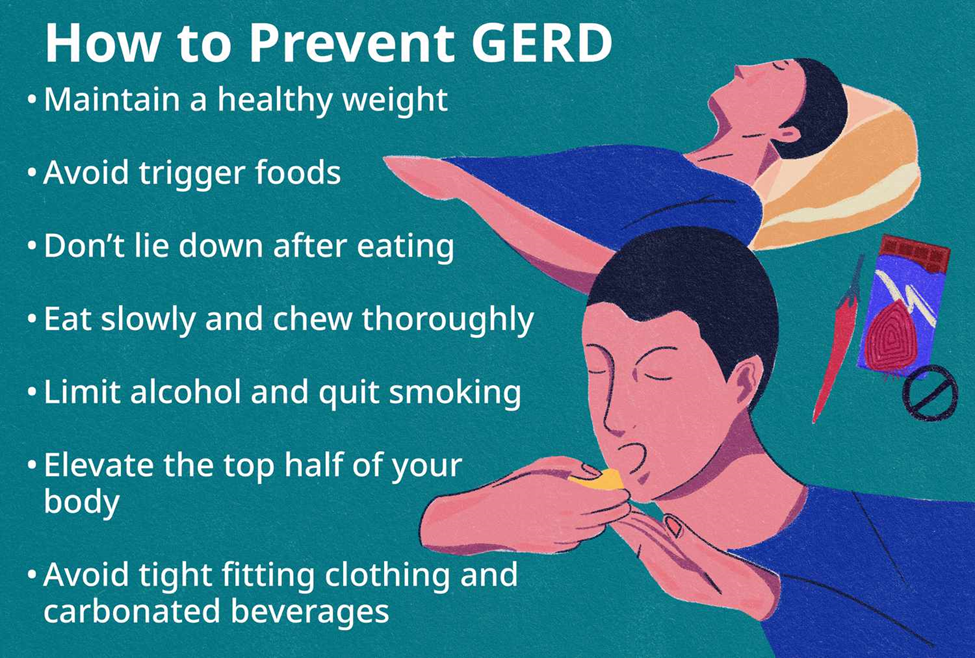
A. Thicken the infant's formula with cereal: Thickening the infant's formula with cereal can help reduce the likelihood of regurgitation by increasing its viscosity and promoting better gastric emptying. This can help decrease the frequency and severity of gastroesophageal reflux episodes.
B. Avoid giving the infant citrus juices: Citrus juices are acidic and can exacerbate gastroesophageal reflux symptoms in infants. Avoiding citrus juices can help reduce the acidity of the stomach contents, potentially decreasing the likelihood of regurgitation.
C. Position the child with their head elevated after meals: Keeping the infant in an upright position with the head elevated after meals can help prevent regurgitation by reducing the likelihood of gastric contents flowing back into the esophagus. This position facilitates gravity-assisted digestion and minimizes pressure on the lower esophageal sphincter.
D. Place the infant's head on a soft pillow while sleeping: Placing the infant's head on a soft pillow while sleeping is not recommended as it increases the risk of suffocation and sudden infant death syndrome (SIDS). Infants should always be placed on their back to sleep in a flat, firm surface without pillows or soft bedding to reduce the risk of adverse events.
E. Administer an antiemetic to the infant: Administering an antiemetic to the infant is not typically indicated for the management of gastroesophageal reflux in infants, especially as a preventive measure. Antiemetics may have potential side effects and should only be used under the guidance of a healthcare provider for specific indications.
Whether you are a student looking to ace your exams or a practicing nurse seeking to enhance your expertise , our nursing education contents will empower you with the confidence and competence to make a difference in the lives of patients and become a respected leader in the healthcare field.
Visit Naxlex, invest in your future and unlock endless possibilities with our unparalleled nursing education contents today