
A client was recently diagnosed with mild Alzheimer’s disease. Which of the statements shared by the client’s child about their risk for Alzheimer’s disease indicates the need for re-teaching? (Select all that apply.)
“It is okay to eat dessert with my dinner every night.”
“I have less to worry about because I am a female.”
“I can speak with my healthcare provider about genetic testing.”
“I need to make sure to take my blood pressure medication daily.”
“I do not have time in my schedule to add a daily walk.”
Correct Answer : A,B,E
Choice A Reason:
The statement “It is okay to eat dessert with my dinner every night” indicates a need for re-teaching. Diet plays a significant role in the risk of developing Alzheimer’s disease. Consuming high amounts of sugar and unhealthy fats can increase the risk of developing conditions like diabetes and cardiovascular disease, which are linked to a higher risk of Alzheimer’s. A balanced diet, such as the Mediterranean or MIND diet, which emphasizes fruits, vegetables, whole grains, and healthy fats, is recommended to reduce the risk.
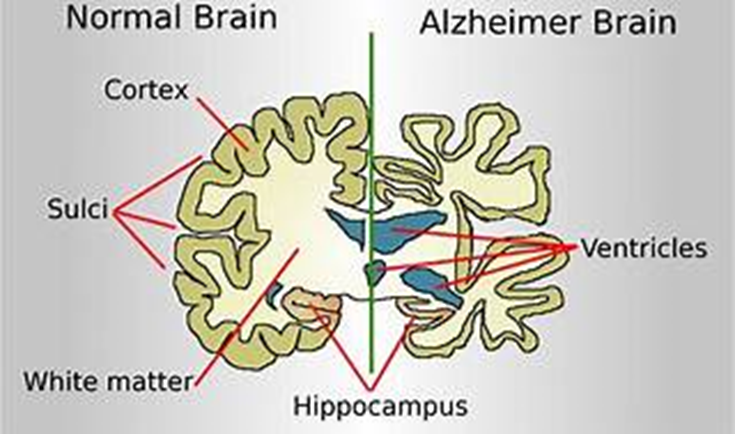
Choice B Reason:
The statement “I have less to worry about because I am a female” is incorrect and indicates a need for re-teaching. In fact, women are at a higher risk of developing Alzheimer’s disease compared to men. This increased risk is partly due to women living longer than men, but even after accounting for longevity, women still have a higher incidence of Alzheimer’s. Therefore, it is crucial for females to be aware of their risk and take preventive measures.
Choice C Reason:
The statement “I can speak with my healthcare provider about genetic testing” does not indicate a need for re-teaching. Genetic testing can provide valuable information about one’s risk for Alzheimer’s disease, especially if there is a family history of the condition. While routine genetic testing is not generally recommended for everyone, discussing it with a healthcare provider can help individuals understand their risk and make informed decisions about their health.
Choice D Reason:
The statement “I need to make sure to take my blood pressure medication daily” is correct and does not indicate a need for re-teaching. Controlling blood pressure is crucial in reducing the risk of Alzheimer’s disease. High blood pressure, particularly in midlife, is a significant risk factor for cognitive decline and Alzheimer’s. Therefore, taking blood pressure medication as prescribed is an important preventive measure.
Choice E Reason:
The statement “I do not have time in my schedule to add a daily walk” indicates a need for re-teaching. Regular physical activity is one of the most effective ways to reduce the risk of Alzheimer’s disease. Exercise improves blood flow to the brain, reduces inflammation, and promotes the growth of new brain cells. Incorporating physical activity, such as a daily walk, into one’s routine is essential for maintaining cognitive health and reducing the risk of Alzheimer’s.
Nursing Test Bank
Naxlex Comprehensive Predictor Exams
Related Questions
Correct Answer is ["A","B","D"]
Explanation
Choice A Reason:
Slowed psychomotor activity.
Slowed psychomotor activity is a hallmark of hypoactive delirium. Patients with this type of delirium often exhibit reduced physical movement and slower reaction times. This symptom can make hypoactive delirium more challenging to recognize compared to the more obvious agitation seen in hyperactive delirium.
Choice B Reason:
Impaired attention and concentration.
Impaired attention and concentration are common in all forms of delirium, including hypoactive delirium. Patients may have difficulty focusing, sustaining, or shifting attention, which can significantly impact their ability to engage in daily activities or follow conversations.
Choice C Reason:
Hallucinations and delusions.
While hallucinations and delusions can occur in delirium, they are more commonly associated with hyperactive delirium. Hypoactive delirium is characterized more by withdrawal and decreased responsiveness rather than the presence of hallucinations or delusions.
Choice D Reason:
Decreased alertness or responsiveness.
Decreased alertness or responsiveness is a key feature of hypoactive delirium. Patients may appear drowsy, lethargic, or less responsive to their environment. This can sometimes be mistaken for depression or fatigue, making it crucial to differentiate hypoactive delirium from other conditions.
Choice E Reason:
Agitation and restlessness.
Agitation and restlessness are characteristic of hyperactive delirium, not hypoactive delirium5. In hypoactive delirium, patients are more likely to be withdrawn and less responsive rather than agitated or restless.
Correct Answer is ["0.5"]
Explanation
Step 1: Identify the available concentration of fentanyl.
- The ampule contains 100 micrograms of fentanyl in 2 mL.
Step 2: Determine the dose required.
- The nurse needs to give 25 micrograms of fentanyl.
Step 3: Calculate the volume (mL) needed for the required dose.
- Use the formula: (Dose required ÷ Dose available) × Volume of available dose.
Step 4: Substitute the values into the formula.
- (25 micrograms ÷ 100 micrograms) × 2 mL
Step 5: Perform the division.
- 25 micrograms ÷ 100 micrograms = 0.25
Step 6: Perform the multiplication.
- 0.25 × 2 mL = 0.5 mL
Result: The nurse will give 0.5 mL for the correct dose.
Final Answer: 0.5 mL
Whether you are a student looking to ace your exams or a practicing nurse seeking to enhance your expertise , our nursing education contents will empower you with the confidence and competence to make a difference in the lives of patients and become a respected leader in the healthcare field.
Visit Naxlex, invest in your future and unlock endless possibilities with our unparalleled nursing education contents today