
The nurse calculates that a patient must receive 1.3 mL of an anti-infective agent. The dose is ordered IM. Which of the following choices demonstrates safe, evidence-based practice?
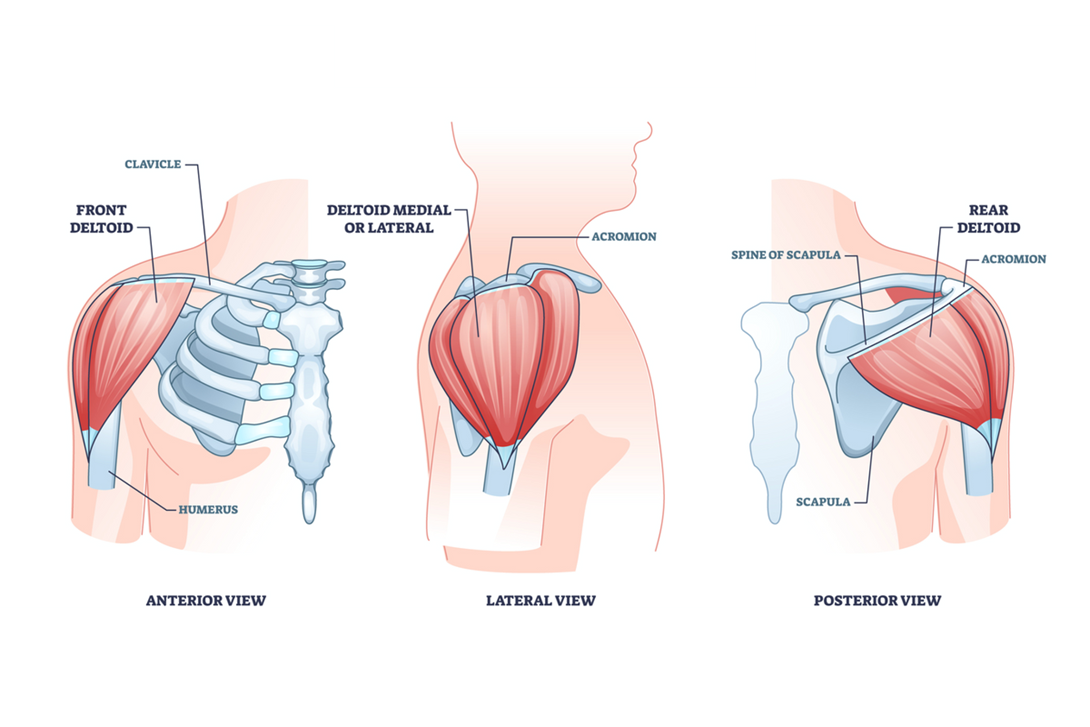
23g 1 in (2.54 cm) needle to the right deltoid. Use the acromion process as a landmark.
25g 0.5 in (1.3 cm) long needle to the left rectus femoris. Aspirate prior to injection.
27g 1.5 in (3.8 cm) long needle to the left vastus lateralis area. Massage area wearing clean gloves after injection.
21g 1.5 in (3.8 cm) needle to the right ventrogluteal area. Use Z-track technique.
The Correct Answer is D
Choice D Reason: 21g 1.5 in (3.8 cm) needle to the right ventrogluteal area. Use Z-track technique.
Choice A Reason:
Using a 23-gauge, 1-inch needle for an intramuscular (IM) injection in the deltoid muscle is generally appropriate for adults. The deltoid muscle is a common site for IM injections, especially for small volumes of medication (up to 2 mL). The acromion process is a correct landmark for locating the deltoid muscle. However, the deltoid muscle is not the best site for larger volumes or more viscous medications. Additionally, the needle length might not be sufficient for individuals with more subcutaneous fat, potentially leading to suboptimal medication delivery.
Choice B Reason:
A 25-gauge, 0.5-inch needle is typically used for subcutaneous injections rather than intramuscular injections. The rectus femoris muscle can be used for IM injections, but it is not the preferred site due to the potential for increased pain and discomfort. Aspiration before injection is a debated practice; current guidelines suggest that aspiration is not necessary for most IM injections, except when injecting into the dorsogluteal site, which is not recommended due to the risk of hitting the sciatic nerve.
Choice C Reason:
A 27-gauge, 1.5-inch needle is appropriate for IM injections, and the vastus lateralis is a suitable site, especially for infants and young children. However, massaging the injection site after administering an IM injection is not recommended. Massaging can cause the medication to disperse into the subcutaneous tissue, reducing its effectiveness and potentially causing irritation or bruising.
Choice D Reason:
Using a 21-gauge, 1.5-inch needle for an IM injection in the ventrogluteal area is considered safe and effective. The ventrogluteal site is preferred for IM injections because it is free from major nerves and blood vessels, reducing the risk of injury. The Z-track technique is used to prevent medication from leaking into the subcutaneous tissue, ensuring that it remains in the muscle for proper absorption. This technique is particularly useful for medications that can stain or irritate the skin and subcutaneous tissue.
Nursing Test Bank
Naxlex Comprehensive Predictor Exams
Related Questions
Correct Answer is ["A","C","D"]
Explanation
Choices A, C, and D: Changes to behavior and personality, Impaired judgment, Muscle stiffness and shuffling gait.
Choice A Reason:
Changes to behavior and personality are hallmark symptoms of frontotemporal dementia (FTD). This condition primarily affects the frontal and temporal lobes of the brain, which are responsible for behavior, personality, and language. Patients often exhibit socially inappropriate behaviors, apathy, and a decline in personal hygiene. These changes are among the earliest and most noticeable symptoms of FTD.
Choice B Reason:
While a past history of head trauma can be a risk factor for various types of dementia, it is not specifically associated with frontotemporal dementia. FTD is more commonly linked to genetic factors and specific protein abnormalities in the brain. Therefore, a history of head trauma is not a typical aspect of the medical history for FTD patients.
Choice C Reason:
Impaired judgment is a common symptom of frontotemporal dementia. The degeneration of the frontal lobes affects executive functions, including decision-making, problem-solving, and judgment. Patients may make poor decisions, exhibit risky behaviors, and have difficulty understanding the consequences of their actions.
Choice D Reason:
Muscle stiffness and a shuffling gait can occur in some forms of frontotemporal dementia, particularly in cases where the condition overlaps with motor neuron disease or Parkinsonism. These physical symptoms are less common than behavioral and cognitive symptoms but can still be present in some patients.
Choice E Reason:
A diagnosis of hypertension is not specifically related to frontotemporal dementia. While hypertension is a common condition that can coexist with any form of dementia, it is not a characteristic feature of FTD. The primary symptoms of FTD are related to changes in behavior, personality, and cognitive functions rather than vascular issues.
Correct Answer is A
Explanation
Choice A Reason:
Cognitive Behavioral Therapy
Cognitive Behavioral Therapy (CBT) is the most effective non-pharmacological treatment for anxiety disorders. CBT focuses on identifying and challenging negative thought patterns and behaviors that contribute to anxiety. It teaches clients practical skills to manage their anxiety, such as relaxation techniques, exposure therapy, and cognitive restructuring. Research has consistently shown that CBT can significantly reduce anxiety symptoms and improve overall functioning.
Choice B Reason:
Psychoanalytic therapy
Psychoanalytic therapy, based on the theories of Freud, aims to uncover unconscious conflicts and past experiences that influence current behavior. While it can be beneficial for some individuals, it is generally not considered the first-line treatment for anxiety disorders. Psychoanalytic therapy tends to be long-term and may not provide the immediate relief that clients with severe anxiety need.
Choice C Reason:
Electroconvulsive (ECT) therapy
Electroconvulsive therapy (ECT) involves the use of electrical currents to induce seizures in the brain and is primarily used to treat severe depression and certain other mental health conditions. It is not typically used as a treatment for anxiety disorders. ECT is considered a last-resort treatment when other therapies have failed, and it is not suitable for managing anxiety symptoms in most cases.
Choice D Reason:
Family systems therapy
Family systems therapy focuses on improving communication and relationships within the family unit. While it can be helpful for addressing family dynamics and support, it is not specifically designed to treat anxiety disorders. Family therapy may be used as an adjunct to other treatments, but it is not the primary approach for managing anxiety symptoms.
Whether you are a student looking to ace your exams or a practicing nurse seeking to enhance your expertise , our nursing education contents will empower you with the confidence and competence to make a difference in the lives of patients and become a respected leader in the healthcare field.
Visit Naxlex, invest in your future and unlock endless possibilities with our unparalleled nursing education contents today