
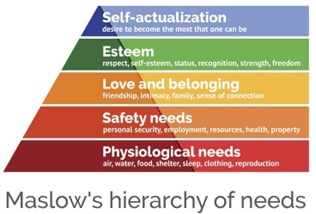
A client is hospitalized with numerous acute health problems. According to Maslow's hierarchy of needs model, which nursing diagnosis should the nurse identify as being the highest priority for this client?
Self-Care Deficit related to weakness and debilitation
Powerlessness related to chronic disease state
Altered Nutrition, Less Than Body Requirements related to the inability to absorb nutrients
Risk for Injury related to unsteady gait
The Correct Answer is C
According to Maslow's hierarchy of needs model, physiological needs such as food, water, and shelter are the most basic and fundamental needs that must be met before higher-level needs can be addressed. In this scenario, the nursing diagnosis of Altered Nutrition, Less Than Body Requirements related to inability to absorb nutrients addresses a fundamental physiological need and should be identified as the highest priority for this client. The other nursing diagnoses listed address important needs related to safety, self-care, and psychological well-being, but these needs are considered higher-level needs according to Maslow's hierarchy and should be addressed after the client's basic physiological needs have been met.
Nursing Test Bank
Naxlex Comprehensive Predictor Exams
Related Questions
Correct Answer is D
Explanation
In this situation, the nurse demonstrated integrity. After realizing the mistake of giving a client who was NPO a morning breakfast tray, the nurse took responsibility for the mistake by notifying the physician and the client, explaining the consequences of the mistake, and documenting the situation in the client's medical record. The other options (Altruism, Human dignity, and Social justice) are not directly related to this situation.
Correct Answer is B
Explanation
The most appropriate statement by the nurse would be to explain the procedure to the client and reassure them that it should not be painful. This can help alleviate the client's anxiety and make them feel more comfortable and informed about the assessment.
Whether you are a student looking to ace your exams or a practicing nurse seeking to enhance your expertise , our nursing education contents will empower you with the confidence and competence to make a difference in the lives of patients and become a respected leader in the healthcare field.
Visit Naxlex, invest in your future and unlock endless possibilities with our unparalleled nursing education contents today