
Which of the following structures allows impulses to be transmitted from one neuron to another neuron?
Cell body
Axon
Synapse
Dendrite
The Correct Answer is B
a. Cell body: The cell body is the main part of the neuron containing the nucleus and other organelles. It does not directly transmit impulses.
b. Axon: The axon is a long fiber that carries electrical impulses away from the cell body towards other neurons or muscles.
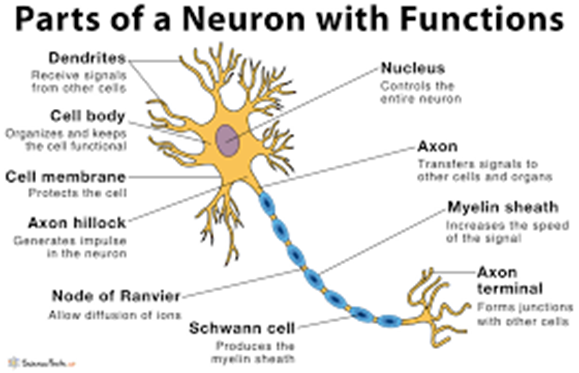
c. Synapse: A synapse is a junction between two neurons where nerve impulses are transmitted. The axon of one neuron transmits an electrical signal to the dendrite or cell body of another neuron across a small gap. Neurotransmitters are released from the presynaptic neuron and bind to receptors on the postsynaptic neuron, either exciting or inhibiting it.
d. Dendrite: Dendrites are short, branching fibers that receive signals from other neurons and transmit them towards the cell body.
Nursing Test Bank
Naxlex Comprehensive Predictor Exams
Related Questions
Correct Answer is C
Explanation
a. Spermatozoa: These are the mature male gametes (sperm cells) that result from spermatogenesis but do not describe the process of meiosis itself.
b. Spermiogenesis: This is the final stage of spermatogenesis, where spermatids undergo morphological changes to become mature spermatozoa.
c. Spermatogenesis: This is the process that includes both meiosis and subsequent maturation steps, resulting in the formation of spermatozoa. It involves the production of haploid sperm cells from diploid germ cells.
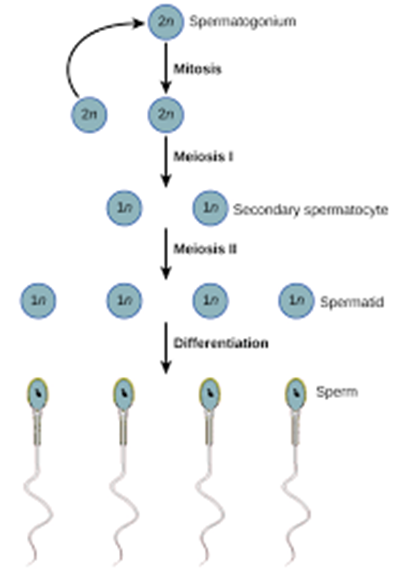
d. Spermatocytes: These are the cells that undergo meiosis during spermatogenesis. Primary spermatocytes undergo the first meiotic division to form secondary spermatocytes, which then undergo the second meiotic division to produce spermatids.
Correct Answer is A
Explanation
a. Exchanging of gas: Alveoli are the primary sites for gas exchange in the lungs, where oxygen is absorbed into the blood and carbon dioxide is expelled.
b. Removing pathogens that are breathed in: This is a function of the respiratory tract's immune components, like macrophages in the alveoli, but not the primary function.
c. Containing mucus-producing goblet cells: Goblet cells are found in the respiratory tract but not in the alveoli.
d. Secreting surfactant to reduce surface tension: Alveolar cells do secrete surfactant, which is crucial for reducing surface tension and preventing alveolar collapse, but the primary function is gas exchange.
Whether you are a student looking to ace your exams or a practicing nurse seeking to enhance your expertise , our nursing education contents will empower you with the confidence and competence to make a difference in the lives of patients and become a respected leader in the healthcare field.
Visit Naxlex, invest in your future and unlock endless possibilities with our unparalleled nursing education contents today