
Which of the following findings is concerning to the nurse?
Absence of tears when the infant cries
Presence of vernix caseosa at delivery
Presence of anterior and posterior fontanels
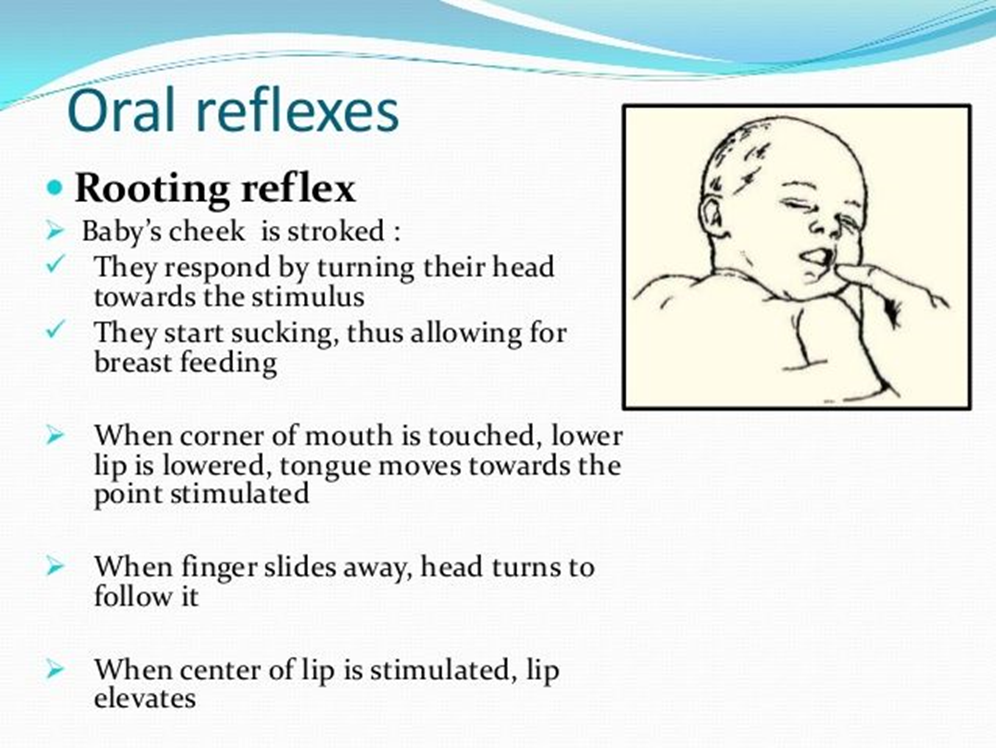
Absence of the rooting reflex
The Correct Answer is D
Choice A reason: This is not a concerning finding for the nurse. Absence of tears when the infant cries is normal and expected in the first few months of life. The tear ducts and glands are not fully developed yet, and the infant does not produce enough tears to moisten the eyes or overflow the eyelids. The nurse should monitor the infant's hydration and eye health, but should not be alarmed by the absence of tears.
Choice B reason: This is not a concerning finding for the nurse. Presence of vernix caseosa at delivery is normal and expected in newborns, especially those born before 40 weeks of gestation. Vernix caseosa is a white, cheesy substance that covers the skin of the fetus in the womb. It protects the skin from the amniotic fluid and helps with temperature regulation and infection prevention. The nurse should gently wipe off the excess vernix caseosa, but should not try to remove it completely.
Choice C reason: This is not a concerning finding for the nurse. Presence of anterior and posterior fontanels is normal and expected in infants. Fontanels are soft spots on the skull where the bones have not yet fused together. They allow the skull to be flexible and accommodate the growing brain. The nurse should palpate the fontanels gently and assess their size, shape, and tension, but should not be worried by their presence.
Choice D reason: This is the concerning finding for the nurse. Absence of the rooting reflex is abnormal and unexpected in infants. The rooting reflex is an involuntary movement or response that the infant makes when the cheek or mouth is touched. The infant turns the head and opens the mouth, seeking the source of stimulation. The rooting reflex is essential for breastfeeding and feeding in general. The nurse should assess the infant's neurological status and consult with the physician if the rooting reflex is absent.
Nursing Test Bank
Naxlex Comprehensive Predictor Exams
Related Questions
Correct Answer is B
Explanation
Choice A reason: This is not the main purpose of educating the client. The client may or may not teach others about their medications, but that is not the nurse's responsibility.
Choice B reason: This is the best answer. Educating the client helps them understand their health status, treatment options, and self-care needs. This empowers them to make informed decisions that affect their health and well-being.
Choice C reason: This is not a valid reason for educating the client. The client may still need the nurse's assistance even after receiving education. The nurse's role is to support the client, not to make them independent.
Choice D reason: This is not a good reason for educating the client. The client should not advise others on their medical conditions, as this may lead to misinformation or harm. The client should refer others to qualified health professionals for advice.
Correct Answer is D
Explanation
Choice A reason: This is not an indicator of appropriate neurological development. Appropriate weight is a measure of the physical growth and nutritional status of the baby. It is influenced by the baby's genetics, gestational age, birth weight, feeding habits, and health conditions. Appropriate weight does not reflect the baby's brain development or function.
Choice B reason: This is not an indicator of appropriate neurological development. Vernix caseosa is a white, cheesy substance that covers the skin of the baby in the womb. It protects the skin from the amniotic fluid and helps with temperature regulation and infection prevention. Vernix caseosa is mostly shed before or during birth, and does not relate to the baby's brain development or function.
Choice C reason: This is not an indicator of appropriate neurological development. Presence of lanugo is a fine, soft hair that covers the body of the baby in the womb. It helps to keep the baby warm and hold the vernix caseosa on the skin. Presence of lanugo is usually lost before or shortly after birth, and does not indicate the baby's brain development or function.
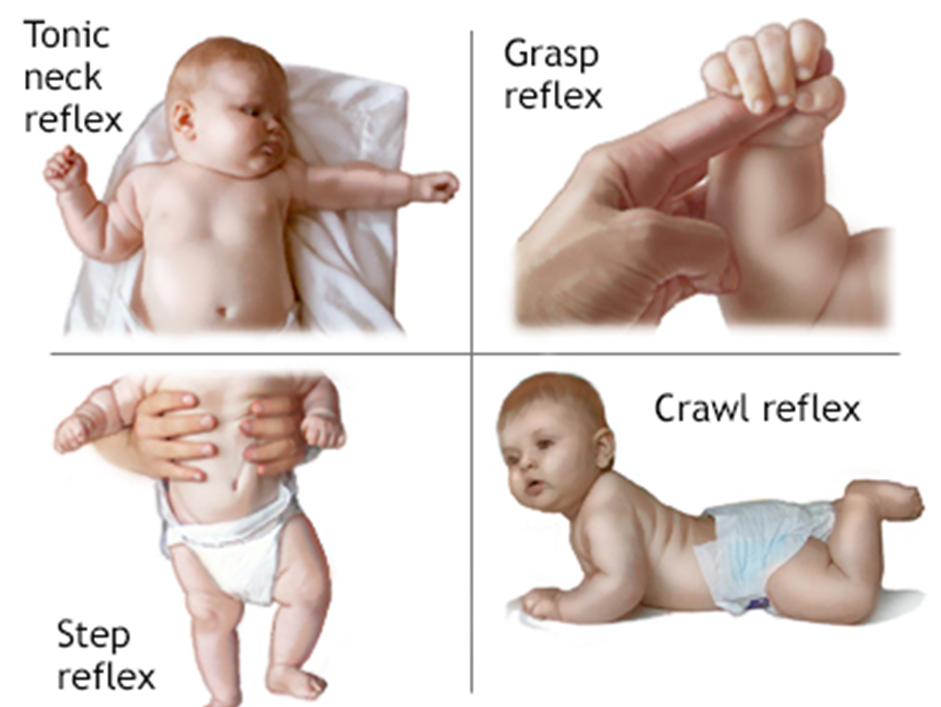
Choice D reason: This is the best answer. Expected reflexes are involuntary movements or responses that the baby makes in reaction to certain stimuli. They are controlled by the nervous system and indicate the baby's brain development and function. Expected reflexes include the rooting, sucking, grasping, Moro, and Babinski reflexes. The nurse should assess the presence, strength, and symmetry of these reflexes during the well-baby check.
Whether you are a student looking to ace your exams or a practicing nurse seeking to enhance your expertise , our nursing education contents will empower you with the confidence and competence to make a difference in the lives of patients and become a respected leader in the healthcare field.
Visit Naxlex, invest in your future and unlock endless possibilities with our unparalleled nursing education contents today