
Which of the following are important to assess when a child has a cast? (Select all that apply)
Skin turgor underneath cast
Skin temperature
Pulses
Pain
Correct Answer : B,C,D
Choice A reason:
Assessing skin turgor underneath the cast is not feasible because the cast covers the skin, making it difficult to evaluate turgor directly. Skin turgor is typically assessed to determine hydration status, but it is not a primary concern when monitoring a child with a cast. The focus should be on assessing for signs of complications such as swelling, circulation issues, and pain.
Choice B reason:
Skin temperature is an important assessment when a child has a cast. Changes in skin temperature, such as increased warmth, can indicate infection or inflammation, while a cooler temperature may suggest compromised circulation. Regularly checking the skin temperature around the cast can help identify potential complications early.
Choice C reason:
Assessing pulses is crucial when a child has a cast. Checking the pulses distal to the cast (e.g., in the fingers or toes) helps ensure that there is adequate blood flow to the extremity. Diminished or absent pulses can indicate compromised circulation, which requires immediate medical attention to prevent tissue damage.
Choice D reason:
Pain assessment is essential for a child with a cast. Pain can be an indicator of complications such as pressure sores, infection, or compartment syndrome. Monitoring the child’s pain levels and addressing any complaints of pain promptly is important for their comfort and to prevent further issues.
Nursing Test Bank
Naxlex Comprehensive Predictor Exams
Related Questions
Correct Answer is D
Explanation
Choice A reason:
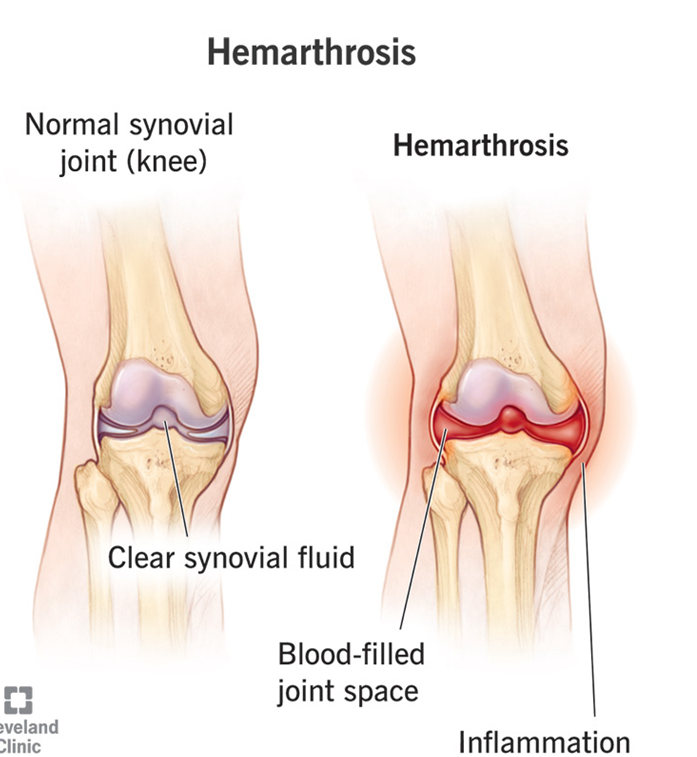
Keeping the affected extremity below the level of the heart is not recommended in the management of hemarthrosis in a child with hemophilia A. Elevating the affected limb can help reduce swelling and pain by promoting venous return and decreasing pressure in the joint.
Choice B Reason:
The use of topical analgesic cream on the painful area is not a primary treatment for hemarthrosis in hemophilia A. While it may provide some temporary relief, it does not address the underlying issue of bleeding within the joint. The primary treatment involves replacing the missing clotting factor.
Choice C Reason:
Instructing the parent to call their health care provider to obtain a plan of care is important, but it is not the immediate management step for hemarthrosis. Prompt treatment with clotting factor replacement is crucial to stop the bleeding and prevent joint damage.
Choice D Reason:
Prompt infusion of Factor VIII is the primary treatment for hemarthrosis in a child with hemophilia A. This treatment helps to replace the missing clotting factor, stop the bleeding, and prevent further joint damage. Early intervention is essential to minimize complications and promote healing.
Correct Answer is D
Explanation
Choice A reason:
A 7-year-old child with diabetes insipidus and a urine specific gravity of 1.016 is not in immediate danger. Diabetes insipidus is a condition characterized by excessive thirst and excretion of large amounts of severely diluted urine. A urine specific gravity of 1.016 is within the normal range (1.005 to 1.030). Therefore, this child does not require immediate assessment.
Choice B reason:
A 4-year-old child with asthma and a PCO2 of 37 mm Hg is also not in immediate danger. Asthma is a chronic condition that can cause difficulty breathing, but a PCO2 level of 37 mm Hg is within the normal range (35-45 mm Hg). This indicates that the child’s respiratory status is currently stable, and immediate assessment is not required.
Choice C reason:
A 1-year-old toddler with roseola and a temperature of 39°C (102.2°F) is experiencing a common viral infection that typically causes a high fever followed by a rash. While the fever is high, it is not uncommon for roseola and can be managed with antipyretics and supportive care. This child does not require immediate assessment.
Choice D reason:
A 10-year-old child with sickle cell anemia reporting 8 out of 10 chest pain is in immediate danger and requires urgent assessment. Chest pain in a child with sickle cell anemia can indicate acute chest syndrome, a severe and potentially life-threatening complication. Acute chest syndrome is characterized by chest pain, fever, and respiratory distress, and it requires prompt medical intervention. Therefore, this child should be assessed first.
Whether you are a student looking to ace your exams or a practicing nurse seeking to enhance your expertise , our nursing education contents will empower you with the confidence and competence to make a difference in the lives of patients and become a respected leader in the healthcare field.
Visit Naxlex, invest in your future and unlock endless possibilities with our unparalleled nursing education contents today