
When admitting a 4-year-old patient to the hospital, the nurse learns that the child was exposed to chicken pox three days ago. Which understanding about chicken pox should the nurse consider during room assignment?
Strict isolation should begin immediately after exposure.
Communicability begins prior to the eruption of lesions.
Strict isolation should begin as soon as the skin lesions erupt.
Communicability begins 14 days after exposure.
The Correct Answer is B
Choice A rationale:
Strict isolation should begin immediately after exposure. This choice is incorrect because chickenpox does not require strict isolation immediately after exposure. The incubation period of chickenpox is about 10-21 days, during which communicability has not yet begun.
Choice B rationale:
Communicability begins prior to the eruption of lesions. This choice is correct. Chickenpox is highly contagious, and individuals can transmit the virus to others even before the characteristic skin lesions appear. This understanding is crucial for appropriate room assignment to prevent the spread of the virus to other patients.
Choice C rationale:
Strict isolation should begin as soon as the skin lesions erupt. This choice is incorrect. While isolation precautions are necessary for patients with active chickenpox lesions, waiting until the lesions erupt is not sufficient to prevent transmission, as communicability starts before this stage.
Choice D rationale:
Communicability begins 14 days after exposure. This choice is incorrect. The correct timing for the onset of communicability is much earlier than 14 days after exposure. Waiting until this point for isolation would not effectively prevent transmission.
Nursing Test Bank
Naxlex Comprehensive Predictor Exams
Related Questions
Correct Answer is C
Explanation
Choice A rationale:
Administering a bolus of intravenous (IV) fluids might be necessary for severe dehydration, but in mild dehydration, oral rehydration is preferred as it avoids potential complications associated with IV fluids.
Choice B rationale:
Offering clear fluids, popsicles, and gelatin is appropriate, but this choice does not specifically address rehydration, which is the primary concern in mild dehydration.
Choice C rationale:
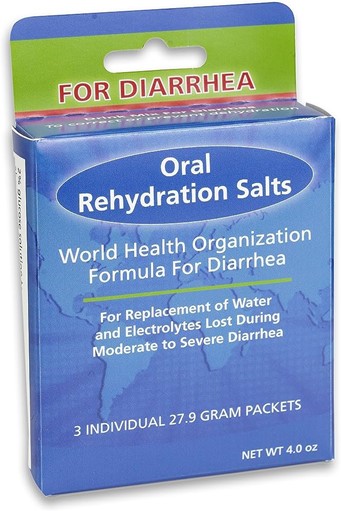
Offering oral rehydration solution (ORS) in small, frequent amounts is the most appropriate intervention for mild dehydration secondary to diarrhea. ORS contains the right balance of electrolytes and fluids to rehydrate without overwhelming the gastrointestinal tract.
Choice D rationale:
Keeping the child on a strict BRAT diet (bananas, rice, applesauce, toast) is an outdated approach. While BRAT foods can be tolerated during mild illness, they lack the necessary electrolytes and fluids to effectively rehydrate.
Correct Answer is A
Explanation
Choice A rationale:
An increasing pulse rate suggests that the patient's condition is worsening. Tachycardia can indicate increased work of breathing and decreased oxygenation, which are concerning signs in laryngotracheobronchitis.
Choice B rationale:
Mouth breathing is a common response to airway obstruction, such as in laryngotracheobronchitis. While it indicates respiratory distress, it doesn't specifically suggest a worsening of the condition.
Choice C rationale:
An increase in nasal discharge might be seen with the common cold or other upper respiratory infections but is not a specific indicator of worsening laryngotracheobronchitis.
Choice D rationale:
A hoarse cry is a characteristic symptom of laryngotracheobronchitis due to inflammation of the airway. However, it is a common initial symptom and may not directly correlate with worsening of the condition.
Whether you are a student looking to ace your exams or a practicing nurse seeking to enhance your expertise , our nursing education contents will empower you with the confidence and competence to make a difference in the lives of patients and become a respected leader in the healthcare field.
Visit Naxlex, invest in your future and unlock endless possibilities with our unparalleled nursing education contents today