
The OR nurse gives an SBAR to the PACU nurse. This verbal report should include which four statements?
Anesthetic agents and other drugs that were administered.
The patient’s relevant health history.
The name of the surgical procedure.
Estimated blood loss during surgery.
Correct Answer : A,B,C,D
Choice A: Anesthetic agents and other drugs that were administered
This is a correct answer. Including information about the anesthetic agents and other drugs administered during surgery is crucial for the PACU nurse. This information helps in monitoring the patient’s recovery from anesthesia and managing any potential side effects or complications. Knowing the specific drugs used allows the PACU nurse to anticipate and address issues such as pain management, nausea, and allergic reactions.
Choice B: The patient’s relevant health history
This is another correct answer. The patient’s relevant health history provides essential context for the PACU nurse. It includes information about chronic conditions, allergies, previous surgeries, and any other factors that might affect the patient’s recovery. Understanding the patient’s health history helps the PACU nurse to tailor post-operative care to the patient’s specific needs and to be vigilant for any complications that might arise due to pre-existing conditions.
Choice C: The name of the surgical procedure
This is also a correct answer. Knowing the specific surgical procedure performed is vital for the PACU nurse. It helps in understanding the expected post-operative course, potential complications, and specific care requirements. For example, the care for a patient who underwent a cardiac surgery will differ significantly from the care for a patient who had an orthopedic procedure.
Choice D: Estimated blood loss during surgery
This is the final correct answer. Reporting the estimated blood loss during surgery is important for the PACU nurse to assess the patient’s hemodynamic status and to plan for any necessary interventions. Significant blood loss may require monitoring for signs of hypovolemia, administering fluids or blood products, and closely watching vital signs.
Nursing Test Bank
Naxlex Comprehensive Predictor Exams
Related Questions
Correct Answer is C
Explanation
Choice A: Alkalosis
Alkalosis occurs when the blood pH is higher than the normal range, specifically above 7.45. This condition indicates that the blood is too alkaline. Causes of alkalosis can include hyperventilation, loss of stomach acid through vomiting, or an overuse of diuretics. Since a blood pH of 7.21 is below the normal range, it does not indicate alkalosis.
Choice B: Normal Blood pH
The normal pH range for blood is between 7.35 and 7.45. This range is crucial for the body’s metabolic processes and enzyme functions. A blood pH of 7.21 is below this range, indicating an abnormal condition.
Choice C: Acidosis
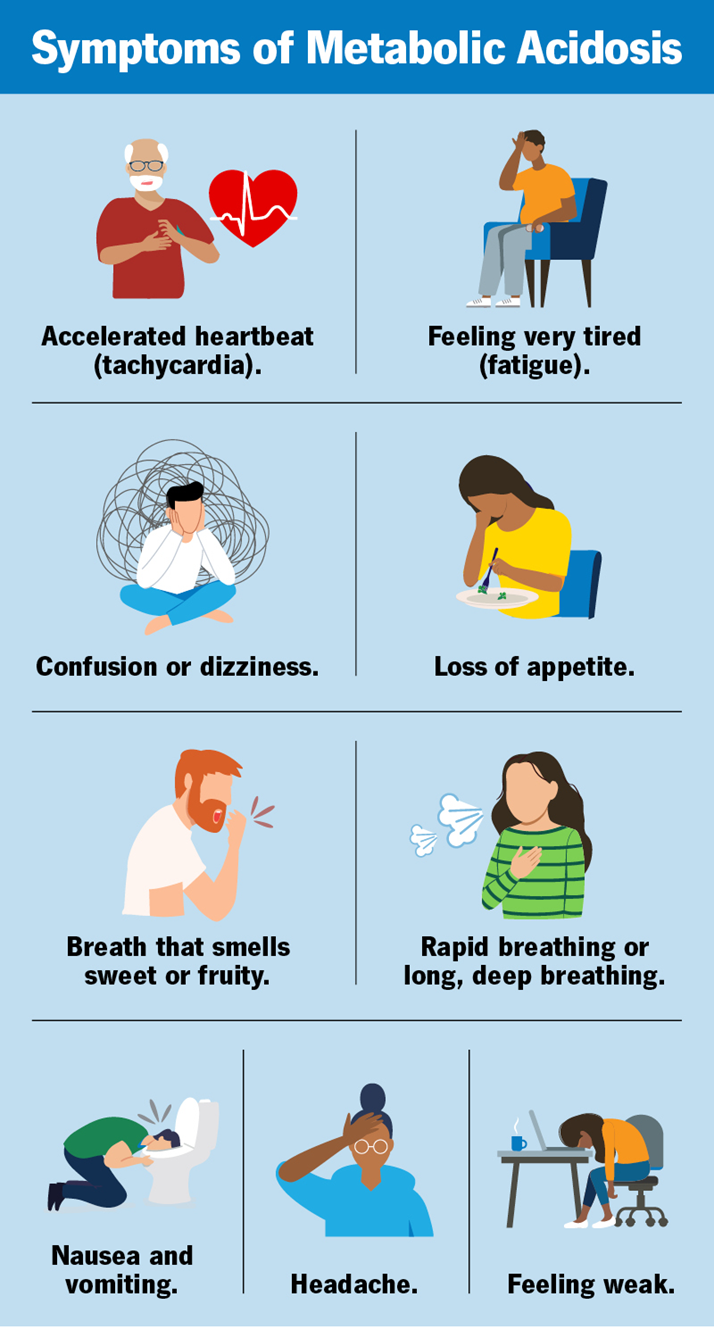
Acidosis is the correct answer. It occurs when the blood pH drops below 7.35, indicating that the blood is too acidic. A pH of 7.21 is significantly below the normal range, confirming acidosis. This condition can result from various factors, including respiratory issues that lead to an accumulation of carbon dioxide or metabolic problems that increase acid production or decrease bicarbonate levels.
Choice D: Hyperkalemia
Hyperkalemia refers to an elevated level of potassium in the blood, not a change in blood pH. While hyperkalemia can be associated with acidosis, it is not defined by the pH level itself. Therefore, a blood pH of 7.21 does not directly indicate hyperkalemia.
Correct Answer is C
Explanation
Choice A: Hypotonic
A hypotonic solution has a lower concentration of solutes compared to the fluid inside the cells. When cells are placed in a hypotonic solution, water enters the cells, causing them to swell and potentially burst. This is because the osmotic pressure drives water into the cells to balance the solute concentration. Hypotonic solutions are not used to describe a state where extracellular and intracellular fluids have the same osmolality.
Choice B: Oncotic Pressure
Oncotic pressure, also known as colloid osmotic pressure, is the form of osmotic pressure exerted by proteins, primarily albumin, in the blood plasma. It plays a crucial role in maintaining fluid balance between the blood vessels and the surrounding tissues by pulling water into the circulatory system. Oncotic pressure is not related to the concept of equal osmolality between extracellular and intracellular fluids.
Choice C: Isotonic
An isotonic solution has the same concentration of solutes as the fluid inside the cells. When extracellular fluid is isotonic to intracellular fluid, there is no net movement of water into or out of the cells, maintaining cell stability. This balance is crucial for normal cellular function and is the term used to describe equal osmolality between extracellular and intracellular fluids.
Choice D: Hypertonic
A hypertonic solution has a higher concentration of solutes compared to the fluid inside the cells. When cells are placed in a hypertonic solution, water leaves the cells, causing them to shrink or crenate. This occurs because the osmotic pressure drives water out of the cells to balance the solute concentration. Hypertonic solutions are not used to describe a state where extracellular and intracellular fluids have the same osmolality.
Whether you are a student looking to ace your exams or a practicing nurse seeking to enhance your expertise , our nursing education contents will empower you with the confidence and competence to make a difference in the lives of patients and become a respected leader in the healthcare field.
Visit Naxlex, invest in your future and unlock endless possibilities with our unparalleled nursing education contents today