
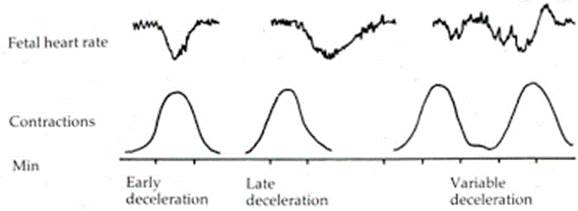
The nurse caring for the laboring woman should understand that early decelerations are caused by:
Umbilical cord compression.
Spontaneous rupture of membranes
Real knot of the umbilical cord.
Compression the fetal head.
The Correct Answer is D
a. This is a common cause of variable decelerations, not early decelerations.
b. This is not a cause of early decelerations.
c. This is a common cause of variable decelerations, not early decelerations.
d. This is the cause of early decelerations and is a normal response to the pressure of the fetal head on the cervix during contractions.
Nursing Test Bank
Naxlex Comprehensive Predictor Exams
Related Questions
Correct Answer is B
Explanation
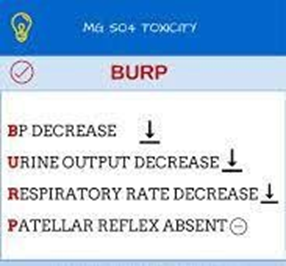
a. This is an important nursing intervention when a patient is receiving magnesium sulfate, as the medication can affect renal function.
b. Assessing cervix dilation is not related to magnesium sulfate toxicity.
c. This is an important nursing intervention when a patient is receiving magnesium sulfate, as the medication can affect neuromuscular function.
d. This is an important nursing intervention when a patient is receiving magnesium sulfate, as the medication can affect respiratory function.
Correct Answer is C
Explanation
a. This is a test for renal function, not fetal lung maturity.
b. This is a test for glucose control, not fetal lung maturity.
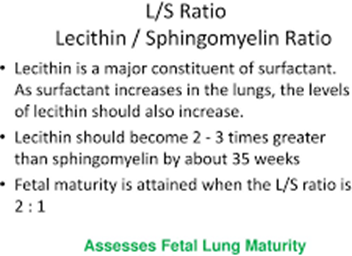
c. An L/S ratio of 2:1 or greater indicates that the fetal lungs have reached maturity.
d. This is a test of fetal well-being and does not indicate fetal lung maturity. This ratio indicates that the fetal lungs have enough surfactant to prevent alveolar collapse and respiratory distress syndrome.
Whether you are a student looking to ace your exams or a practicing nurse seeking to enhance your expertise , our nursing education contents will empower you with the confidence and competence to make a difference in the lives of patients and become a respected leader in the healthcare field.
Visit Naxlex, invest in your future and unlock endless possibilities with our unparalleled nursing education contents today