
The assessment phase of the nursing process refers to the phase when data collection occurs. Which methods does the nurse use to collect data? (Select all that apply.)
Observing client behavior
Reviewing diagnostic testing results
Interviewing the client and significant others
Performing physical assessment
Interpreting client behaviors
Correct Answer : A,B,C,D
Choice A rationale: Observation is a method of data collection involving the use of one’s senses to notice the aspects of a client such as their appearance, expressions, and actions.
Choice B rationale: Reviewing diagnostic testing results is a method of collecting data that involves the examination of the findings of laboratory tests, imaging studies, and other procedures. These findings provide objective information about the client's physiological functioning.
Choice C rationale: client interview is a method of data collection involving asking them questions and listening to their responses. This method helps the nurse to obtain subjective data about the client's health history, current problems, expectations, values, and beliefs.
Choice D rationale: Performing physical assessment is a method of collecting data that involves using inspection, palpation, percussion, and auscultation to examine the different body systems of the client. This provides objective information about the patient’s condition.
Choice E rationale: this is incorrect since Interpreting client behaviors is not a method of collecting data but is instead a data analysis method.
Nursing Test Bank
Naxlex Comprehensive Predictor Exams
Related Questions
Correct Answer is B
Explanation
Choice A rationale: lithium does not affect the levels of red blood cells hence no monitoring is required during its intake.
Choice B rationale: lithium is excreted in the kidneys hence close kidney function monitoring is essential since it prevents lithium toxicity.
Choice C rationale: lithium does not affect the levels of hemoglobin and hematocrit levels hence no frequent monitoring is required during its intake.
Choice D rationale: lithium does not affect the levels of white blood cells hence no monitoring is required during its intake.
Correct Answer is A
Explanation
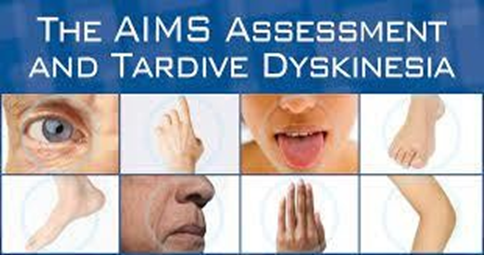
Choice A rationale: The AIMS Scale refers to the Abnormal Involuntary Movement Scale and is used in the assessment of patients for the presence of involuntary movements across body regions. The score ranges from zero which denotes the absence of dyskinesia and four which stands for severe, maximal amplitude and persistence of the abnormal movements during the examination period. It is also used to monitor clients with tardive dyskinesia.
Choice B rationale: the Hamilton scale is a multiple-item questionnaire used in the assessment of clients for depression and provides a guide for patient recovery evaluation.
Choice C rationale: the Braden Scale is used in the assessment of clients for the risk of pressure ulcers.
Choice D rationale: the Morse Scale is a Fall Risk Assessment tool used in assessing the probability of a client sustaining a fall.
Whether you are a student looking to ace your exams or a practicing nurse seeking to enhance your expertise , our nursing education contents will empower you with the confidence and competence to make a difference in the lives of patients and become a respected leader in the healthcare field.
Visit Naxlex, invest in your future and unlock endless possibilities with our unparalleled nursing education contents today