
Sympathetic nervous system (SNS) activation can change these body functions except:
Increase heart rate
Increase blood glucose
Increase GI motility and movement
Increase blood pressure
The Correct Answer is C
Choice A Reason:
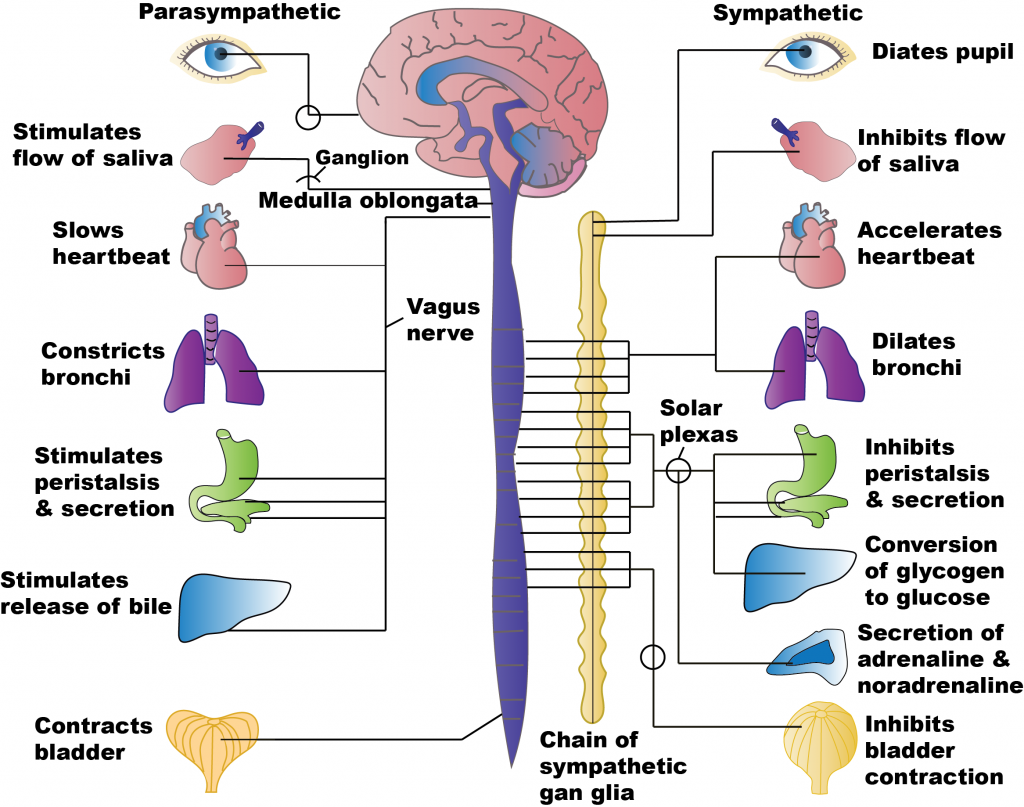
The sympathetic nervous system (SNS) is responsible for the “fight or flight” response, which prepares the body to respond to perceived threats. One of the primary effects of SNS activation is an increase in heart rate. This is achieved through the release of catecholamines like adrenaline, which stimulate the heart to pump more blood to vital organs and muscles.
Choice B Reason:
Another effect of SNS activation is an increase in blood glucose levels. This occurs because the body needs more energy to respond to stress. The SNS stimulates the liver to release glucose into the bloodstream, ensuring that muscles and other tissues have enough energy to function effectively during a stressful situation.
Choice C Reason:
The correct answer is that SNS activation does not increase GI motility and movement. In fact, it has the opposite effect. During a “fight or flight” response, the body prioritizes functions that are critical for immediate survival, such as increased heart rate and blood flow to muscles. As a result, non-essential functions like digestion are slowed down. The SNS decreases GI motility and movement to divert energy and blood flow to more critical areas.
Choice D Reason:
SNS activation also leads to an increase in blood pressure. This is achieved by constricting blood vessels and increasing the force of heart contractions. The purpose of this response is to ensure that enough blood and oxygen are delivered to essential organs and muscles during a stressful situation.
Nursing Test Bank
Naxlex Comprehensive Predictor Exams
Related Questions
Correct Answer is A
Explanation
Choice A Reason:
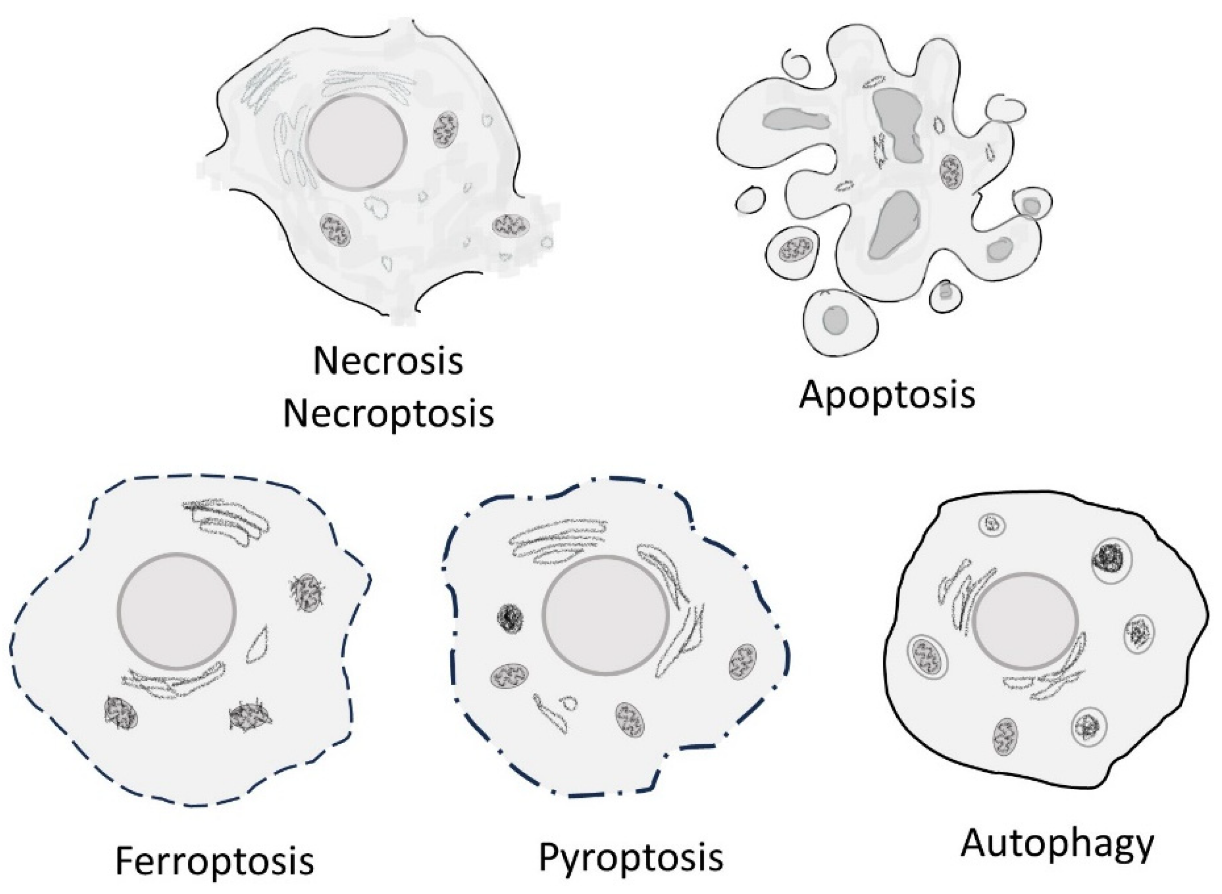
Necrosis is the term used to describe the death of cells or tissues through injury or disease, particularly when it involves severe cell swelling, breakdown of organelles, and release of cellular debris. This process is typically uncontrolled and results from factors such as lack of blood flow (ischemia), toxins, or trauma. In the context of a heart attack, necrosis occurs due to the lack of oxygen and nutrients, leading to cell death and tissue damage.
Choice B Reason:
Apoptosis is a form of programmed cell death that occurs in a controlled and regulated manner. It is a natural process that helps maintain homeostasis by eliminating damaged or unnecessary cells without causing inflammation. Unlike necrosis, apoptosis involves cell shrinkage, chromatin condensation, and DNA fragmentation, but it does not result in the release of cellular debris.
Choice C Reason:
Adaptation refers to the changes that cells undergo in response to stress or adverse conditions to survive and maintain function. These changes can include hypertrophy, hyperplasia, atrophy, and metaplasia. Adaptation is a reversible process and does not involve cell death or the breakdown of cellular components.
Choice D Reason:
Pathologic calcification is the abnormal deposition of calcium salts in tissues. It can occur in areas of necrosis (dystrophic calcification) or in normal tissues due to hypercalcemia (metastatic calcification). While pathologic calcification can be associated with cell injury and death, it is not the primary process described in the scenario of a heart attack leading to cell death with severe swelling and breakdown of organelles.
Correct Answer is D
Explanation
Choice A Reason:
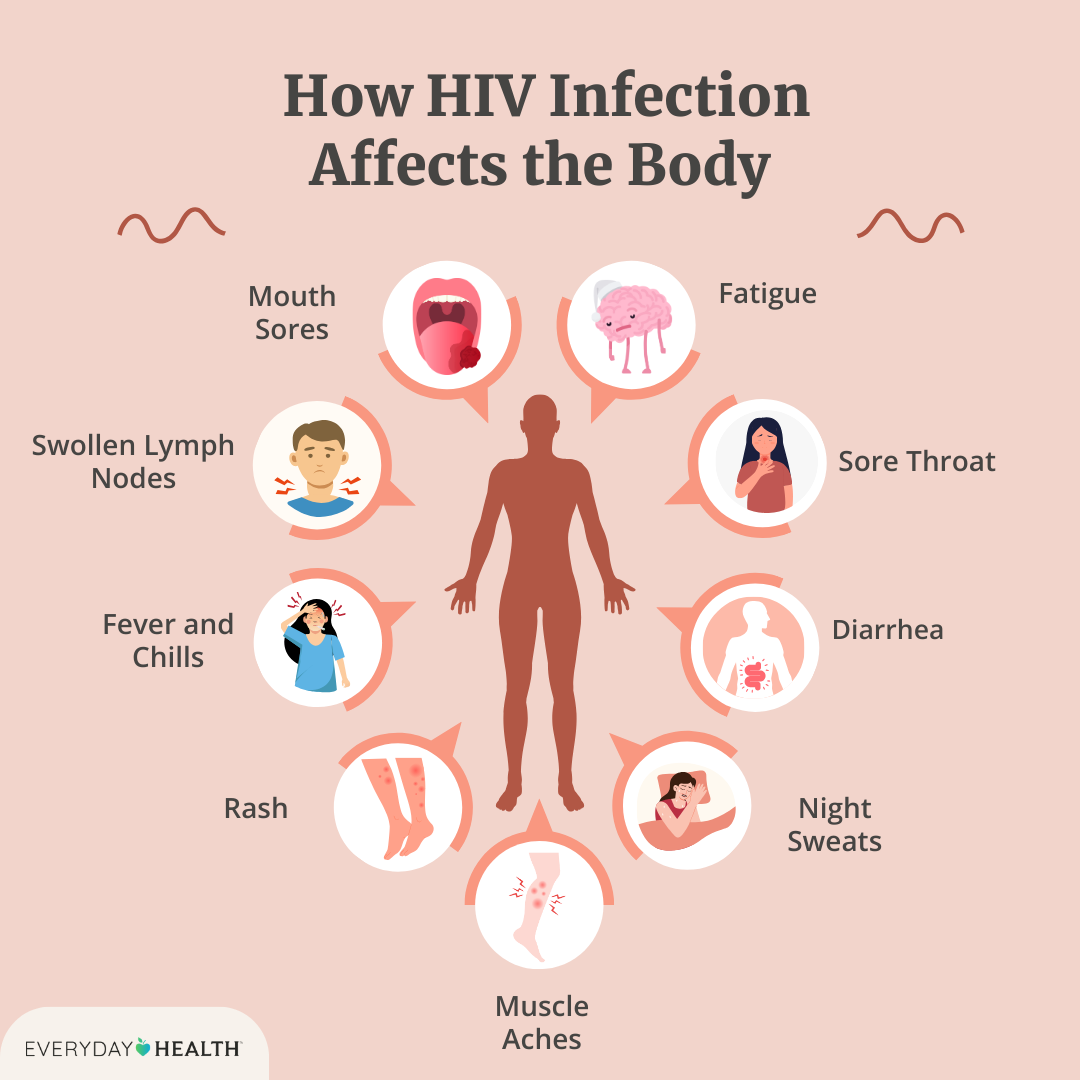
The prodromal stage refers to the period during which early symptoms of a disease appear but are not yet specific or severe. This stage is often associated with infectious diseases where initial symptoms like fever, malaise, and fatigue occur before more specific symptoms develop. In the context of HIV, the prodromal stage would not be applicable as it refers to the early symptomatic phase rather than a period without symptoms.
Choice B Reason:
Remission is a term used to describe a period during which the symptoms of a disease are reduced or disappear. This term is commonly used in the context of chronic diseases such as cancer or autoimmune disorders. For HIV, remission would imply a reduction in viral load and symptoms due to effective treatment, but it does not describe the asymptomatic phase following initial exposure.
Choice C Reason:
Exacerbation refers to the worsening or flare-up of symptoms in a chronic disease. This term is often used in conditions like asthma or multiple sclerosis where symptoms can become more severe periodically. In the context of HIV, exacerbation would describe periods where symptoms become more pronounced, not the asymptomatic phase after initial exposure.
Choice D Reason:
The latent stage, also known as the clinical latency stage or asymptomatic HIV infection, is the period after initial HIV exposure when the virus is present in the body but not causing any symptoms. During this stage, HIV continues to replicate at low levels, and the individual may not feel sick or show any signs of the disease. This stage can last for several years, especially with effective antiretroviral therapy.
Whether you are a student looking to ace your exams or a practicing nurse seeking to enhance your expertise , our nursing education contents will empower you with the confidence and competence to make a difference in the lives of patients and become a respected leader in the healthcare field.
Visit Naxlex, invest in your future and unlock endless possibilities with our unparalleled nursing education contents today