
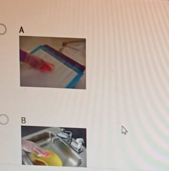
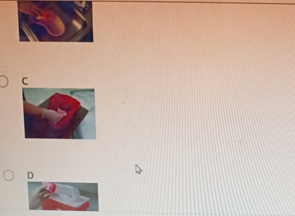
After removing a client's dressing that is saturated with sanguineous drainage, where should the nurse place the dressing?
A
B
C
D
The Correct Answer is C
After removing a dressing that is saturated with sanguineous drainage, it is essential to dispose of it properly to prevent the spread of infection and maintain a safe environment. The dressing should be placed in a designated biohazard container, which is typically red, to signify that the contents are hazardous and require special handling. The red container is specifically used for items contaminated with blood or bodily fluids, ensuring that they are treated as medical waste and disposed of according to health and safety regulations.
Nursing Test Bank
Naxlex Comprehensive Predictor Exams
Related Questions
Correct Answer is A
Explanation
A. Substituting natural fruit juices for carbonated drinks can help reduce the intake of purines and decrease the risk of gout attacks. Carbonated drinks can contribute to dehydration and worsen gout.
B. High protein foods can increase uric acid levels and exacerbate gout, so this is not a recommended dietary practice for managing gout.
C. Reporting right upper quadrant discomfort is important for liver function monitoring but not directly related to the management of gout symptoms.
D. Using an electric heating pad might provide temporary relief but does not address the underlying issue of uric acid levels or dietary management.
Correct Answer is C
Explanation
A. Monitoring oxygen saturation is important but secondary to addressing the immediate cause of the cardiac tamponade.
B. Observing for jugular vein distention is relevant but not the priority compared to directly addressing the tamponade.
C. Notifying the healthcare provider to prepare for pericardiocentesis is the most critical intervention. Cardiac tamponade requires immediate decompression to relieve pressure on the heart and restore normal function.
D. Assessing for paradoxical blood pressure can provide additional information but does not address the immediate need for intervention.
Whether you are a student looking to ace your exams or a practicing nurse seeking to enhance your expertise , our nursing education contents will empower you with the confidence and competence to make a difference in the lives of patients and become a respected leader in the healthcare field.
Visit Naxlex, invest in your future and unlock endless possibilities with our unparalleled nursing education contents today