
After being in the hospital for one month, a client with schizophrenia states that voices are telling them they will die tonight. The client asks the nurse if this is true. The client’s statement and question indicate that they:
Have a poor prognosis.
Are not improving and may be getting worse.
Are questioning the hallucination and want reassurance from the nurse.
Will begin to enter the manic phase of their illness.
The Correct Answer is C
Choice A Reason: Have a poor prognosis
A poor prognosis in schizophrenia is typically associated with persistent and severe symptoms, lack of response to treatment, and significant functional impairment. While the client’s statement about hearing voices is concerning, it does not necessarily indicate a poor prognosis on its own. Prognosis in schizophrenia is multifactorial and depends on various factors, including the duration of untreated psychosis, adherence to treatment, and the presence of supportive social networks.
Choice B Reason: Are not improving and may be getting worse
This choice suggests that the client’s condition is deteriorating. While the presence of hallucinations can indicate a lack of improvement, it is important to consider the context. The client’s ability to question the hallucination and seek reassurance from the nurse suggests a level of insight that is often associated with better outcomes. Insight into one’s condition is a positive prognostic factor in schizophrenia.
Choice C Reason: Are questioning the hallucination and want reassurance from the nurse
This is the correct answer. The client’s question indicates that they are aware that the voices might not be real and are seeking reassurance from the nurse. This level of insight is crucial in managing schizophrenia, as it can lead to better adherence to treatment and improved outcomes. Insight into the nature of hallucinations and delusions is often a sign of a more favorable prognosis.
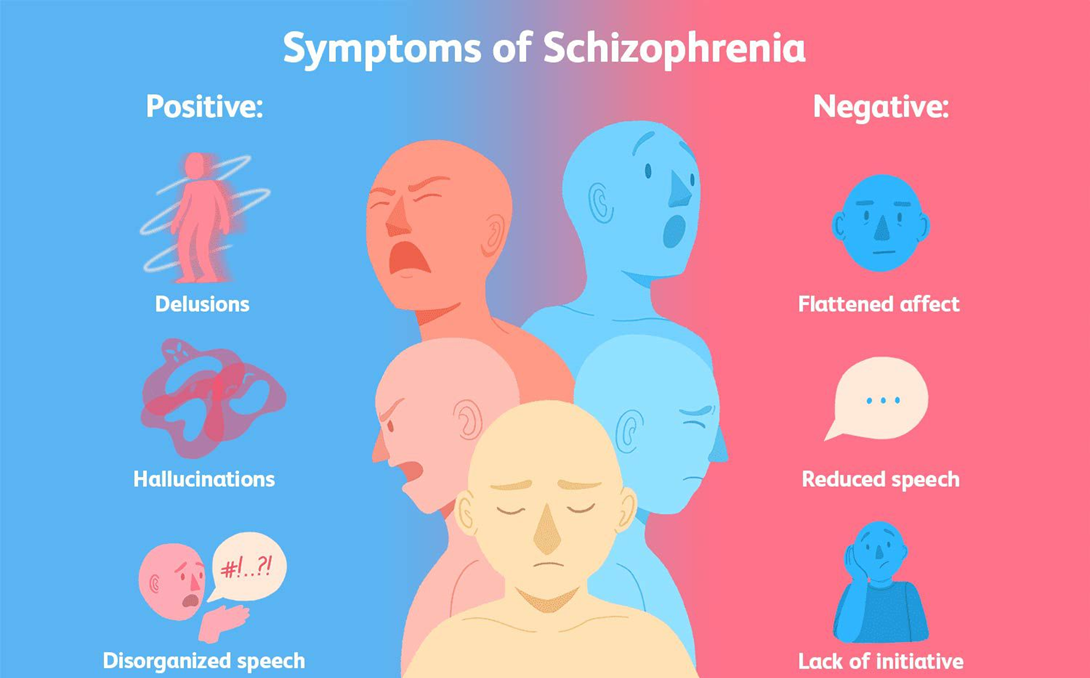
Choice D Reason: Will begin to enter the manic phase of their illness
Mania is characterized by elevated mood, increased activity, and other symptoms such as decreased need for sleep and grandiosity. It is more commonly associated with bipolar disorder than schizophrenia. The client’s statement about hearing voices predicting their death does not align with the typical presentation of mania. Therefore, this choice is not applicable in this context.
Nursing Test Bank
Naxlex Comprehensive Predictor Exams
Related Questions
Correct Answer is ["B","C","E"]
Explanation
Choice A Reason:
Recommending the client distance themselves from people who knew them before their diagnosis is not a suitable measure for tertiary prevention. Tertiary prevention aims to reduce the impact of an ongoing illness by helping patients manage long-term, complex health problems and injuries. It focuses on improving quality of life and reducing symptoms. Distancing from familiar people could lead to social isolation, which might worsen the client’s condition.
Choice B Reason:
Providing the client with a multi-step written plan to follow if auditory hallucinations occur is a practical measure for tertiary prevention. This plan can help the client manage symptoms effectively and reduce the likelihood of hospitalization. It empowers the client to take control of their symptoms and provides clear steps to follow during a crisis, which can be crucial for maintaining stability.
Choice C Reason:
Risperidone as a depot formulation every 2 weeks is an effective measure for ensuring medication adherence in clients with schizophrenia. Depot formulations are long-acting injections that help maintain consistent medication levels in the body, reducing the risk of relapse due to missed doses. This approach is particularly beneficial for clients who have difficulty adhering to daily oral medication regimens.
Choice D Reason:
Increasing white bread and bananas to help with anticholinergic symptoms is not a recommended measure for managing schizophrenia. While diet can play a role in overall health, there is no evidence to suggest that these specific foods help with anticholinergic symptoms. Anticholinergic symptoms are typically managed with medications and other medical interventions.
Choice E Reason:
Assisting the client to enroll in a program of assertive community treatment (ACT) is a highly effective measure for tertiary prevention. ACT provides comprehensive, community-based psychiatric treatment, rehabilitation, and support to individuals with serious and persistent mental illnesses. This approach helps clients manage their symptoms, adhere to treatment plans, and reduce the risk of hospitalization by providing continuous, personalized care.
Correct Answer is A
Explanation
Choice A Reason:
Wheezes are continuous, high-pitched, musical sounds that occur when air flows through narrowed or obstructed airways1. They can be heard during both inspiration and expiration and are commonly associated with conditions such as asthma, chronic obstructive pulmonary disease (COPD), and bronchitis. Wheezes are a key indicator of airway obstruction and require prompt medical attention to address the underlying cause.
Choice B Reason:
Rhonchi are low-pitched, continuous sounds that resemble snoring or gurgling. They are typically caused by secretions or obstructions in the larger airways. Unlike wheezes, rhonchi are not high-pitched and do not have a musical quality. They are often heard in conditions like chronic bronchitis and can sometimes be cleared with coughing.
Choice C Reason:
Fine crackles are discontinuous, high-pitched popping sounds heard during inspiration. They are caused by the sudden opening of small airways and alveoli that are collapsed or filled with fluid. Fine crackles are often associated with conditions such as pneumonia, heart failure, and pulmonary fibrosis. They are not continuous sounds and do not have the musical quality of wheezes.
Choice D Reason:
Vesicular sounds are normal breath sounds heard over most of the lung fields. They are soft, low-pitched, and rustling in quality during inspiration and are fainter during expiration. Vesicular sounds indicate normal, unobstructed airflow through the small airways and alveoli. They are not continuous or high-pitched and do not have a musical quality.
Whether you are a student looking to ace your exams or a practicing nurse seeking to enhance your expertise , our nursing education contents will empower you with the confidence and competence to make a difference in the lives of patients and become a respected leader in the healthcare field.
Visit Naxlex, invest in your future and unlock endless possibilities with our unparalleled nursing education contents today