
A nurse notices that a client with paranoid schizophrenia stops in mid-sentence when talking and tilts his head to the side as if to listen. The most appropriate intervention by the nurse would be to:
Ask the client, “What are the voices saying to you?”
Give the client a PRN dose of benztropine.
Call and report the behavior to the physician.
Tell the client, “Well, I see you’re distracted right now. We’ll talk more later.”
The Correct Answer is A
The correct answer is a.
Choice A Reason:
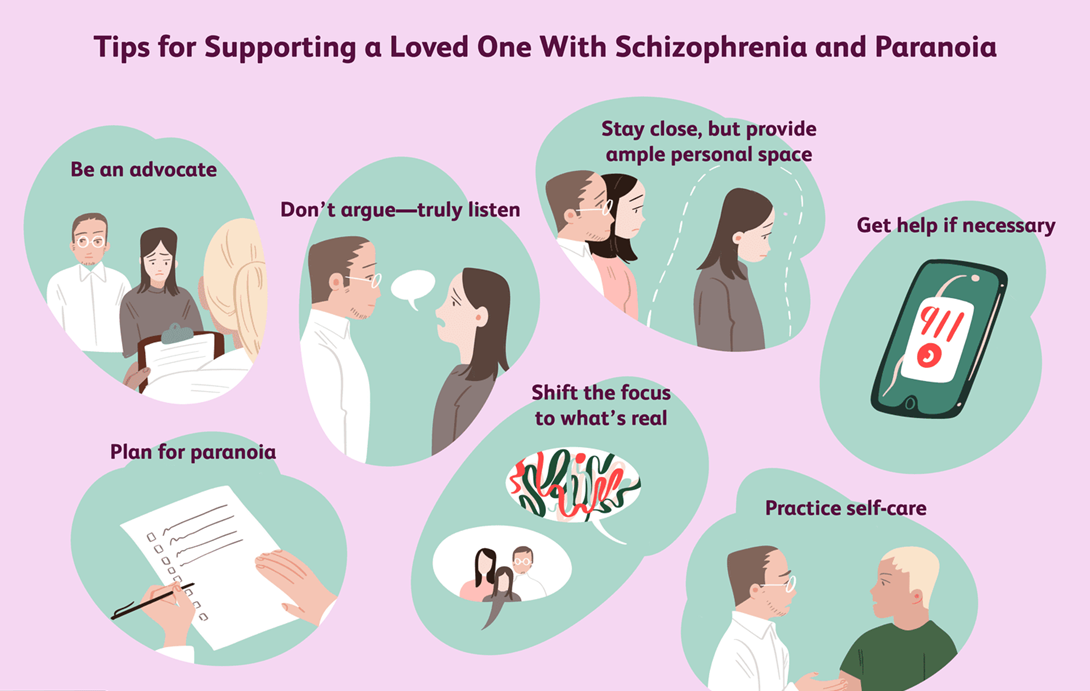
The statement “Ask the client, ‘What are the voices saying to you?’” is correct. Engaging the client in a conversation about their hallucinations can help the nurse understand the content and nature of the hallucinations, which is crucial for assessing the client’s risk of harm to themselves or others. This approach also validates the client’s experience and can help build trust and rapport. It is important to approach the client with empathy and without judgment, as this can help in managing the symptoms more effectively.
Choice B Reason:
The statement “Give the client a PRN dose of benztropine” is incorrect. Benztropine is an anticholinergic medication used to treat extrapyramidal symptoms caused by antipsychotic medications. It is not used to manage auditory hallucinations directly. Administering benztropine without a clear indication could lead to unnecessary side effects and does not address the immediate issue of the hallucinations.
Choice C Reason:
The statement “Call and report the behavior to the physician” is incorrect. While it is important to keep the physician informed about significant changes in the client’s condition, the immediate intervention should focus on addressing the client’s current experience. Reporting the behavior without first attempting to understand and manage the hallucinations may delay appropriate care and support for the client.
Choice D Reason:
The statement “Tell the client, ‘Well, I see you’re distracted right now. We’ll talk more later.’” is incorrect. This response dismisses the client’s current experience and may make them feel misunderstood or ignored. It is important to address the client’s immediate needs and provide support rather than postponing the conversation. Acknowledging the client’s experience and offering to discuss it can help in managing the symptoms and providing appropriate care.
Nursing Test Bank
Naxlex Comprehensive Predictor Exams
Related Questions
Correct Answer is D
Explanation
Choice A Reason:
“There is no such thing as the devil. It’s all in your mind.”
This response dismisses the client’s experience and can make them feel invalidated. Telling the client that their experience is “all in your mind” does not acknowledge their distress and can increase their feelings of isolation and mistrust. It is important to validate the client’s feelings while gently orienting them to reality.
Choice B Reason:
“You are not going to hell. You are a good person.”
While this response is supportive, it does not address the client’s immediate distress about hearing voices. It is important to acknowledge the client’s experience of hearing voices and provide reassurance in a way that helps them feel understood and supported. Simply telling them they are a good person may not alleviate their anxiety about the voices.
Choice C Reason:
“Did you take your medicine this morning?”
Asking about medication adherence is important, but it is not the most appropriate immediate response to the client’s distress. This question can come across as dismissive and may not provide the immediate comfort and validation the client needs. It is better to first acknowledge the client’s experience and then address medication adherence later.
Choice D Reason:
“The voices sound distressing, but I don’t hear them.”
This is the correct response. It acknowledges the client’s distress and validates their experience without reinforcing the delusion. By stating that the nurse does not hear the voices, it gently orients the client to reality while showing empathy and understanding. This approach helps build trust and provides comfort to the client.
Correct Answer is A
Explanation
Choice A Reason:
Cognitive Behavioral Therapy
Cognitive Behavioral Therapy (CBT) is the most effective non-pharmacological treatment for anxiety disorders. CBT focuses on identifying and challenging negative thought patterns and behaviors that contribute to anxiety. It teaches clients practical skills to manage their anxiety, such as relaxation techniques, exposure therapy, and cognitive restructuring. Research has consistently shown that CBT can significantly reduce anxiety symptoms and improve overall functioning.
Choice B Reason:
Psychoanalytic therapy
Psychoanalytic therapy, based on the theories of Freud, aims to uncover unconscious conflicts and past experiences that influence current behavior. While it can be beneficial for some individuals, it is generally not considered the first-line treatment for anxiety disorders. Psychoanalytic therapy tends to be long-term and may not provide the immediate relief that clients with severe anxiety need.
Choice C Reason:
Electroconvulsive (ECT) therapy
Electroconvulsive therapy (ECT) involves the use of electrical currents to induce seizures in the brain and is primarily used to treat severe depression and certain other mental health conditions. It is not typically used as a treatment for anxiety disorders. ECT is considered a last-resort treatment when other therapies have failed, and it is not suitable for managing anxiety symptoms in most cases.
Choice D Reason:
Family systems therapy
Family systems therapy focuses on improving communication and relationships within the family unit. While it can be helpful for addressing family dynamics and support, it is not specifically designed to treat anxiety disorders. Family therapy may be used as an adjunct to other treatments, but it is not the primary approach for managing anxiety symptoms.
Whether you are a student looking to ace your exams or a practicing nurse seeking to enhance your expertise , our nursing education contents will empower you with the confidence and competence to make a difference in the lives of patients and become a respected leader in the healthcare field.
Visit Naxlex, invest in your future and unlock endless possibilities with our unparalleled nursing education contents today