
A nurse is teaching a newly licensed nurse about the uses of ultrasonography in the first trimester of pregnancy. Which of the following statements by the newly licensed nurse indicates an understanding of the teaching?
"Ultrasound is used to observe for placental maturity in the first trimester."
"Ultrasound is used to perform a biophysical profile in the first trimester."
"Ultrasound is used to determine gestational age in the first trimester."
"Ultrasound is used to detect intrauterine growth restriction in the first trimester."
The Correct Answer is C
The correct answer is choice C. Ultrasonography is a diagnostic tool used during pregnancy to visualize the fetus and the maternal reproductive organs. In the first trimester of pregnancy, it is primarily used to determine gestational age, confirm the presence of an intrauterine pregnancy, and assess for fetal viability. It can also be used to identify multiple gestations, evaluate for ectopic pregnancy, and detect certain fetal anomalies. Ultrasound is not typically used to observe for placental maturity or to perform a biophysical profile in the first trimester. Intrauterine growth restriction is typically assessed later in pregnancy using serial ultrasound measurements.
Nursing Test Bank
Naxlex Comprehensive Predictor Exams
Related Questions
Correct Answer is A
Explanation
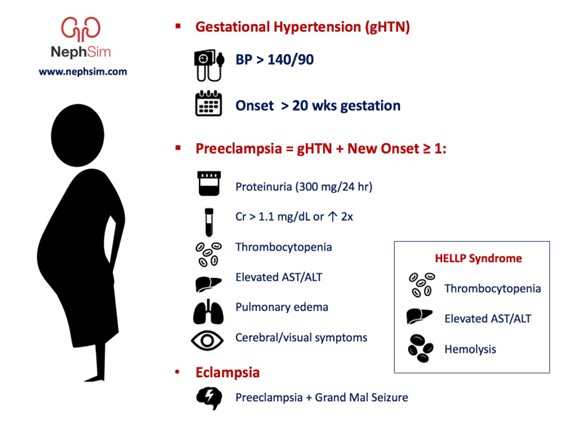
Answer is: a. Urine protein of 3+
Explanation:
- Urine protein of 3+ indicates severe proteinuria, which is a sign of preeclampsia and can lead to kidney damage. The nurse should report this finding to the provider as it may require medication or delivery intervention.
- Deep tendon reflexes of 2+ are normal and do not indicate preeclampsia. The nurse should monitor the client for hyperreflexia, which is a sign of increased neuromuscular irritability and can precede seizures.
- Hemoglobin 13 g/dL is within the normal range for a pregnant client and does not indicate preeclampsia. The nurse should monitor the client for anemia, which can cause maternal and fetal complications.
- Blood glucose 110 mg/dL is slightly elevated but not diagnostic of gestational diabetes, which is a different condition from preeclampsia. The nurse should advise the client to follow a balanced diet and exercise regimen and to undergo a glucose tolerance test at 24 to 28 weeks of gestation.
. 
Correct Answer is C
Explanation
A. While contact precautions may be necessary for certain infections, they are not specifically required for an HIV-positive mother’s newborn if the infant is not infected. The newborn’s HIV status should be confirmed through testing.
B. IV antibiotics are not routinely administered to newborns of HIV-positive mothers unless there is a specific indication for infection prevention or treatment.
C. It is crucial to clean the newborn promptly after delivery to reduce the risk of HIV transmission, as HIV can be present in blood and other bodily fluids. Proper cleansing helps minimize the risk of exposure.
D. Breastfeeding is contraindicated for mothers with HIV because HIV can be transmitted through breast milk. Instead, formula feeding is recommended to prevent transmission.
Whether you are a student looking to ace your exams or a practicing nurse seeking to enhance your expertise , our nursing education contents will empower you with the confidence and competence to make a difference in the lives of patients and become a respected leader in the healthcare field.
Visit Naxlex, invest in your future and unlock endless possibilities with our unparalleled nursing education contents today