
A nurse is reinforcing teaching with a parent about appropriate snacks for a toddler. Which of the following foods should the nurse include?
Marshmallows
Graham crackers
Almonds
Carrot sticks
The Correct Answer is B
Graham crackers are a good snack option for toddlers. They are easy to eat and can be paired with other healthy foods such as fruit or nut buter.
The other options are not correct because:
a) Marshmallows are not recommended as a healthy snack for toddlers.
c) Almonds are not recommended for toddlers due to their choking hazard .
d) Carrot sticks can be a healthy snack option for toddlers, but they should be cut into thin strips to reduce the risk of choking .

Nursing Test Bank
Naxlex Comprehensive Predictor Exams
Related Questions
Correct Answer is A
Explanation
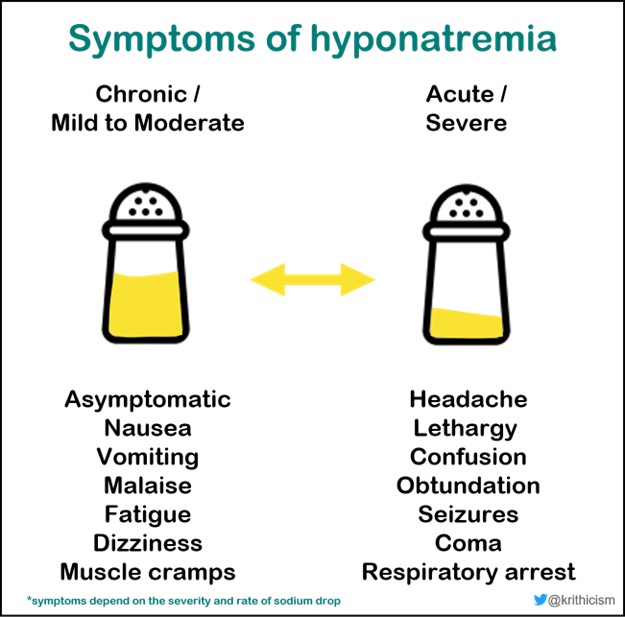
Hyponatremia refers to a lower-than-normal level of sodium in the blood. Sodium is an essential electrolyte involved in various bodily functions, including maintaining fluid balance and transmitting nerve impulses. When sodium levels are low, it can lead to fluid imbalances, affecting the function of muscles and nerves. Muscle cramps are a common manifestation of hyponatremia and occur due to alterations in muscle excitability and contractility.
Constipation: Constipation is not typically associated with hyponatremia. It can occur due to various reasons, such as dietary factors, lack of physical activity, or other medical conditions, but it is not a direct consequence of low sodium levels.
Hypertension: Hyponatremia is not usually associated with hypertension (high blood pressure). Hypertension can be caused by several factors, including genetics, lifestyle, and certain medical conditions, but it is not directly related to low sodium levels.
Blurred vision: While blurred vision can occur in some medical conditions, such as diabetes or certain eye disorders, it is not a typical finding in hyponatremia. Visual disturbances are not a direct consequence of low sodium levels.
Correct Answer is B
Explanation
b. Platelet count 90,000/mm3.
Explanation:
During pregnancy, it is important to monitor the client's platelet count because a low platelet count can indicate a condition called gestational thrombocytopenia or other potential complications such as preeclampsia or HELLP syndrome. A platelet count of 90,000/mm3 is lower than the normal range and should be reported to the provider for further evaluation and management.
Option a, Hgb 12 g/dL, falls within the normal range for hemoglobin during pregnancy, which is typically between 11-13.5 g/dL. Therefore, it does not require immediate notification to the provider.
Option c, Hematocrit 37%, also falls within the normal range for hematocrit during pregnancy, which is typically between 33-42%. Therefore, it does not require immediate notification to the provider.
Option d, Creatinine 0.7 mg/dL, is within the normal range for creatinine levels and does not indicate any immediate concerns or need for notification to the provider.
It is important to remember that the interpretation of laboratory results should be done in the context of the client's individual clinical presentation and the healthcare provider's assessment. Any concerns or abnormal findings should be communicated to the provider for further evaluation and appropriate management.
Whether you are a student looking to ace your exams or a practicing nurse seeking to enhance your expertise , our nursing education contents will empower you with the confidence and competence to make a difference in the lives of patients and become a respected leader in the healthcare field.
Visit Naxlex, invest in your future and unlock endless possibilities with our unparalleled nursing education contents today