
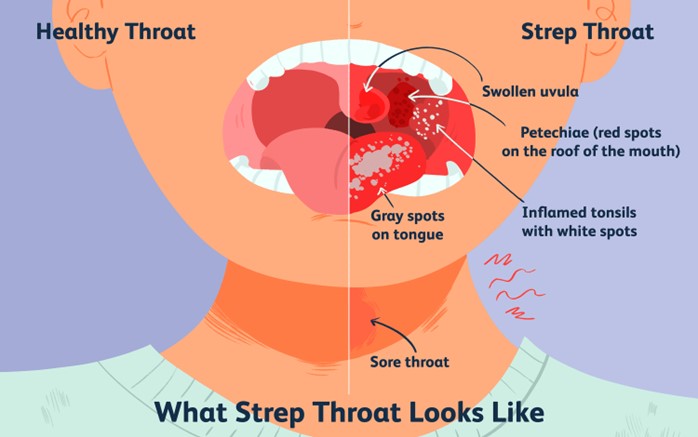
A nurse is reinforcing teaching with a client who has streptococcal pharyngitis. Which of the following actions is appropriate for the nurse to include in the plan of care?
Place the client in a negative airflow room.
Implement droplet precautions.
Place the client on a fluid restriction.
Obtain a throat culture after the initial dose of antibiotics.
The Correct Answer is B
Choice A reason: This is not an appropriate action for this client because placing them in a negative airflow room is indicated for clients who have airborne infections, such as tuberculosis or measles, that can spread through small particles that remain suspended in air. Streptococcal pharyngitis, also known as strep throat, is caused by bacteria that spread through large respiratory droplets that fall within 3 feet from source.
Choice B reason: This is an appropriate action for this client because implementing droplet precautions can prevent transmission of streptococcal pharyngitis to others by contact with respiratory secretions or contaminated objects. The nurse should wear a surgical mask when entering the client's room and instruct visitors to do so as well. The nurse should also place a mask on the client when transporting them outside their room.
Choice C reason: This is not an appropriate action for this client because placing them on a fluid restriction can cause dehydration and impair mucosal healing. The nurse should encourage the client to drink plenty of fluids, such as water, tea, or broth, to soothe the throat and prevent dryness.
Choice D reason: This is not an appropriate action for this client because obtaining a throat culture after the initial dose of antibiotics can affect the accuracy of the test results and delay diagnosis and treatment. The nurse should obtain a throat culture before starting antibiotics to confirm the presence of streptococcal bacteria and guide antibiotic therapy.
Nursing Test Bank
Naxlex Comprehensive Predictor Exams
Related Questions
Correct Answer is D
Explanation
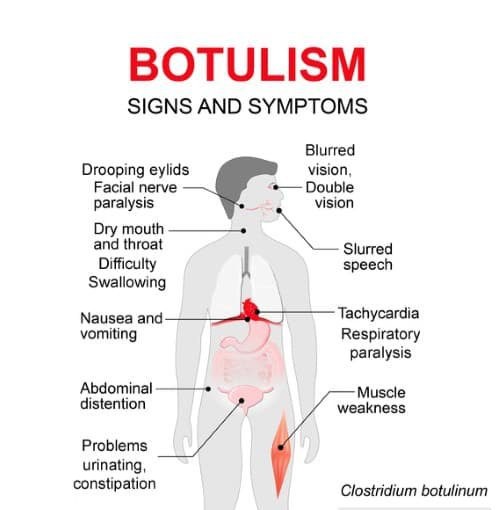
Choice A reason: This is not an appropriate intervention because checking for increased salivation is not relevant for a client who has botulism poisoning, which is caused by ingestion of food contaminated with Clostridium botulinum toxin that blocks nerve impulses and causes flaccid paralysis. The nurse should check for decreased salivation or dry mouth, which is a common symptom of botulism poisoning.
Choice B reason: This is not an appropriate intervention because administering clindamycin hydrochloride is not effective for a client who has botulism poisoning, which is caused by ingestion of food contaminated with Clostridium botulinum toxin that blocks nerve impulses and causes flaccid paralysis. The nurse should administer botulism antitoxin as prescribed to neutralize the toxin and prevent further damage.
Choice C reason: This is not an appropriate intervention because placing in contact isolation is not necessary for a client who has botulism poisoning, which is caused by ingestion of food contaminated with Clostridium botulinum toxin that blocks nerve impulses and causes flaccid paralysis. The nurse should use standard precautions and dispose of any contaminated food properly.
Choice D reason: This is an appropriate intervention because monitoring for muscle paralysis is essential for a client who has botulism poisoning, which is caused by ingestion of food contaminated with Clostridium botulinum toxin that blocks nerve impulses and causes flaccid paralysis. The nurse should assess the client's muscle strength, reflexes, and respiratory function and provide supportive care as needed.
Correct Answer is C
Explanation
Choice A reason:
Offer oral fluids every 4 hours: This is incorrect because oral fluids should be offered more frequently to maintain hydration. Dehydrated patients need consistent fluid intake to prevent further fluid deficit.
Choice B reason:
Monitor pulse pressure every 6 hours: This is incorrect because pulse pressure monitoring is not a standard intervention for dehydration. Pulse pressure is more relevant for cardiovascular assessments rather than fluid status.
Choice C reason:
Check for neck vein distention: This is correct as it helps assess fluid overload, which can occur with IV fluid replacement. Jugular vein distention is a key indicator of fluid status and potential fluid overload.
Choice D reason:
Limit oral fluids prior to bedtime: This is incorrect as limiting fluids can worsen dehydration. Dehydrated patients need adequate fluid intake throughout the day.
Whether you are a student looking to ace your exams or a practicing nurse seeking to enhance your expertise , our nursing education contents will empower you with the confidence and competence to make a difference in the lives of patients and become a respected leader in the healthcare field.
Visit Naxlex, invest in your future and unlock endless possibilities with our unparalleled nursing education contents today