
A nurse is providing follow-up care with a client who participated in a class about improving bone health. Which of the following client statements should the nurse identify as an understanding of the teaching?
"I have been taking 500 micrograms per day of vitamin A supplement."
"I take an 800-milligram calcium supplement with my breakfast every day."
"I have included fortified milk, fatty fish, and cheese into my diet each day."
"I increased my intake of orange juice, lean meats, and egg whites."
The Correct Answer is C
Choice C reason: This statement shows that the client has understood the importance of vitamin D and calcium for bone health. Fortified milk, fatty fish, and cheese are good sources of both nutrients, which help to maintain bone density and prevent osteoporosis.
Choice A reason: This statement is incorrect, as vitamin A supplementation can have adverse effects on bone health. Excessive intake of vitamin A can increase the risk of fractures and reduce bone mineral density.
Choice B reason: This statement is partially correct, as calcium supplementation can help to meet the daily requirement of calcium for bone health. However, calcium alone is not enough, as vitamin D is also needed to facilitate the absorption of calcium and prevent its loss from the bones.
Choice D reason: This statement is irrelevant, as none of the foods mentioned are particularly beneficial for bone health. Orange juice, lean meats, and egg whites are good sources of vitamin C, protein, and biotin, respectively, but they do not provide significant amounts of vitamin D or calcium.
Nursing Test Bank
Naxlex Comprehensive Predictor Exams
Related Questions
Correct Answer is B
Explanation
Choice A reason: Ground beef is high in saturated fat and cholesterol, which can increase the risk of gallstones. A client with cholecystitis should avoid fatty, greasy, or fried foods; meats; and cheeses.
Choice B reason: Graham crackers are low in fat and high in fiber, which can help prevent gallstones. A client with cholecystitis should eat more foods that are high in fiber, such as fruits, vegetables, beans, and whole grains.
Choice C reason: Blueberry muffins may contain butter, eggs, or milk, which are sources of saturated fat and cholesterol. A client with cholecystitis should eat fewer refined carbohydrates and less sugar.
Choice D reason: 2% milk is a dairy product that contains saturated fat and cholesterol. A client with cholecystitis should eat healthy fats, like fish oil and olive oil, to help the gallbladder contract and empty on a regular basis.

Correct Answer is D
Explanation
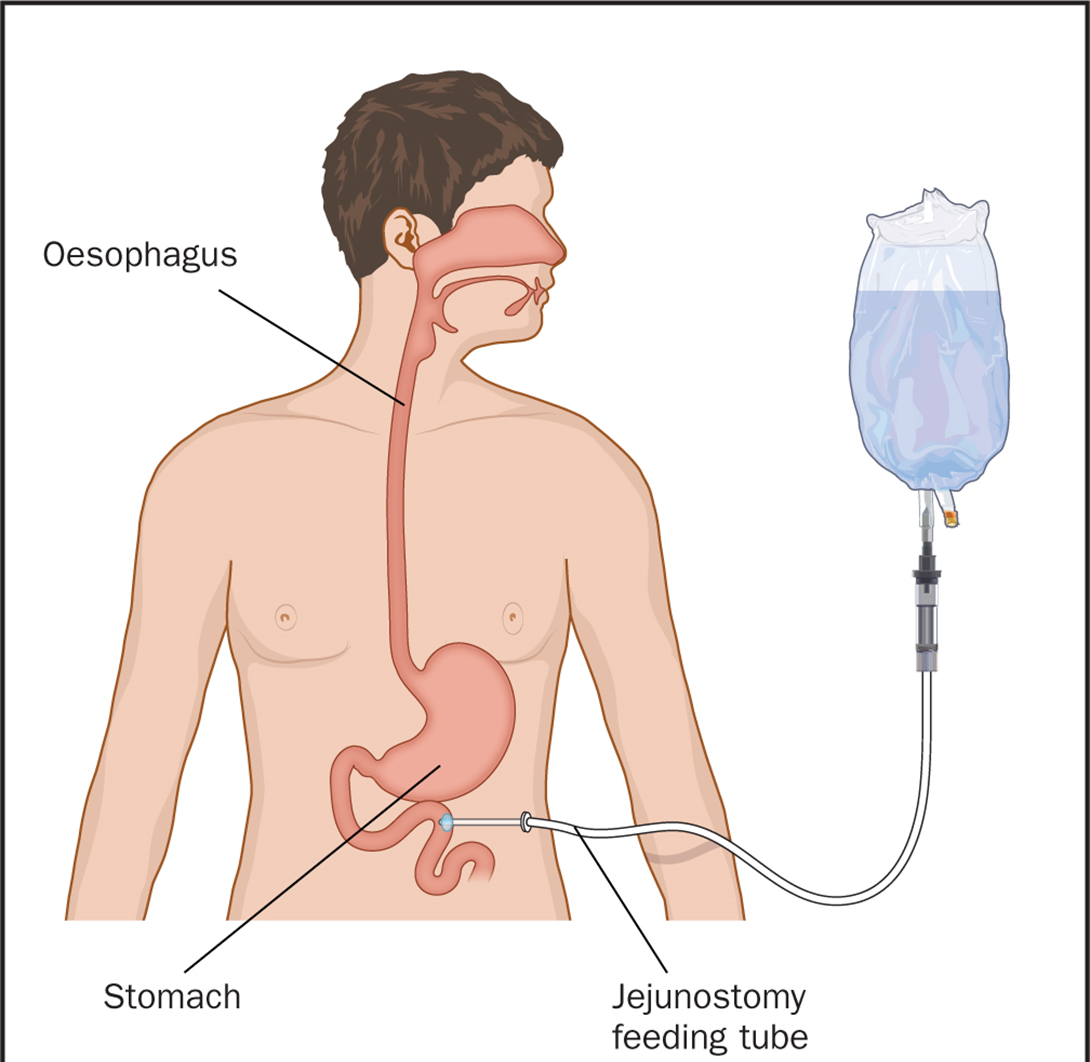
Choice A reason: Abdominal distention is a possible complication of enteral nutrition, as it may indicate gas accumulation, constipation, or intolerance to the formula. However, it is not the greatest risk to the client, as it can be prevented or managed by adjusting the formula, rate, or volume of the feeding, or by administering medications or enemas.
Choice B reason: Fluid overload is a possible complication of enteral nutrition, as it may indicate excessive fluid intake, renal impairment, or heart failure. However, it is not the greatest risk to the client, as it can be prevented or managed by monitoring the fluid balance, electrolytes, and vital signs, or by administering diuretics or fluid restriction.
Choice C reason: Glycosuria is a possible complication of enteral nutrition, as it may indicate hyperglycemia, diabetes, or infection. However, it is not the greatest risk to the client, as it can be prevented or managed by monitoring the blood glucose, urine output, and signs of infection, or by administering insulin or antibiotics.
Choice D reason: Tube obstruction is the greatest risk to the client, as it may indicate clogging, kinking, or twisting of the tube, which can impair the delivery of the nutrition and medication, and cause aspiration, infection, or perforation. Tube obstruction can be prevented by flushing the tube with water before and after each feeding or medication, and by using a syringe or a pump to administer the formula. Tube obstruction can be managed by using warm water, carbonated beverages, or pancreatic enzymes to unclog the tube, or by replacing the tube if necessary.
Whether you are a student looking to ace your exams or a practicing nurse seeking to enhance your expertise , our nursing education contents will empower you with the confidence and competence to make a difference in the lives of patients and become a respected leader in the healthcare field.
Visit Naxlex, invest in your future and unlock endless possibilities with our unparalleled nursing education contents today