
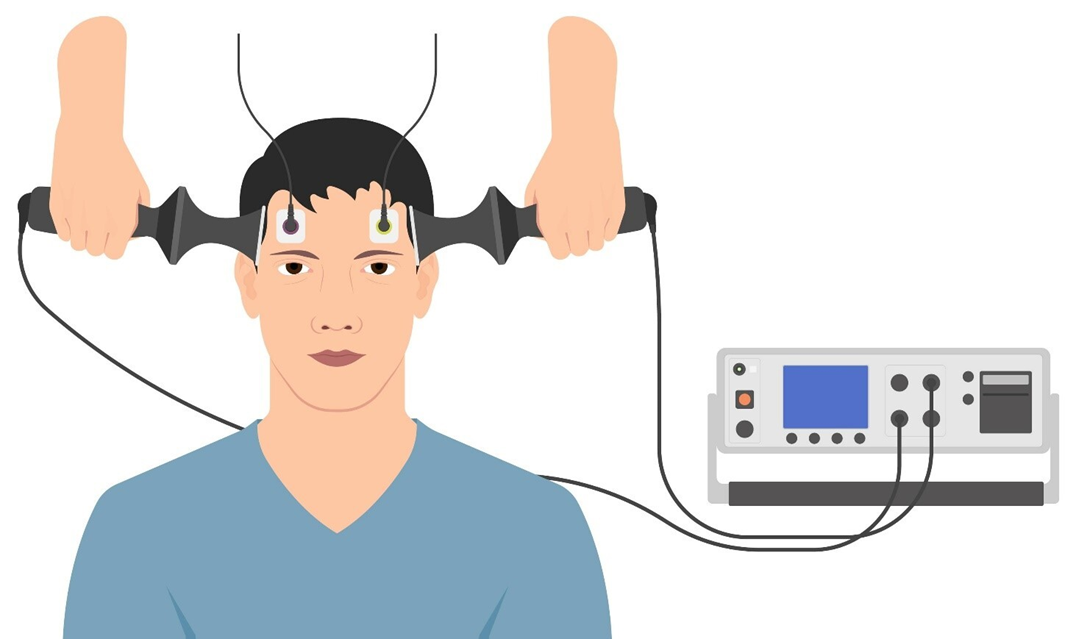
A nurse is preparing to assist with electroconvulsive therapy (ECT). Which of the following pieces of equipment should the nurse set up in the room prior to the treatment? (Select all that apply.)
Cardiac monitor
Blood pressure monitor
Portable x-ray machine
Electroencephalogram (EEG) monitor
Ophthalmoscope
Correct Answer : A,B,D
Choice A reason: A cardiac monitor is essential during ECT to monitor the heart's electrical activity, as the procedure can affect heart rate and rhythm.
Choice B reason: A blood pressure monitor is necessary to track the client's blood pressure throughout the procedure, as ECT can cause fluctuations in blood pressure.
Choice C reason: A portable x-ray machine is not typically required in the setup for ECT.
Choice D reason: An EEG monitor is used during ECT to record the electrical activity of the brain, which is crucial for assessing the seizure activity induced by the treatment.
Choice E reason: An ophthalmoscope is not used during ECT; it is an instrument for examining the interior structures of the eye.
Nursing Test Bank
Naxlex Comprehensive Predictor Exams
Related Questions
Correct Answer is C
Explanation
Choice A reason: Continuing intoxication typically does not cause GI symptoms.
Choice B reason: Delirium tremens is associated with severe alcohol withdrawal but is not directly correlated with GI symptoms.
Choice C reason: Alcohol withdrawal syndrome can cause a variety of symptoms, including GI issues, but they are not as specific as those seen in Wernicke-Korsakoff syndrome.
Choice D reason: Wernicke-Korsakoff syndrome, caused by a deficiency of thiamine (vitamin B1), can lead to GI symptoms among other neurological symptoms.
Correct Answer is A
Explanation
Choice A reason: Given Brian's recent substance use and expression of not being able to tolerate depressive feelings, a suicide risk assessment is the highest priority to ensure his immediate safety.
Choice B reason: While a neurological assessment may be relevant, it is not the highest priority when there is a potential risk of suicide.
Choice C reason: Assessing the amount of current cannabis use is important but secondary to evaluating the risk of suicide.
Choice D reason: Marital status may inform social support but is not the highest priority in the context of potential self-harm.
Whether you are a student looking to ace your exams or a practicing nurse seeking to enhance your expertise , our nursing education contents will empower you with the confidence and competence to make a difference in the lives of patients and become a respected leader in the healthcare field.
Visit Naxlex, invest in your future and unlock endless possibilities with our unparalleled nursing education contents today