
A nurse is preparing to administer an amphotericin B lipid complex via intermittent IV bolus to a client who has infective endocarditis. Which of the following actions should the nurse take?
Use a gravity flow set.
Discard the medication if it is yellow.
Prime the tubing with 0.9% sodium chloride.
Administer the medication over 2 hr.
The Correct Answer is C
A. Use a gravity flow set:
Incorrect Explanation: Using a gravity flow set is not appropriate for administering amphotericin B lipid complex.
Explanation: Amphotericin B lipid complex is typically administered using a dedicated infusion pump to ensure accurate control over the infusion rate and to prevent potential complications.
B. Discard the medication if it is yellow:
Incorrect Explanation: Discarding the medication solely based on its color may not be accurate for the amphotericin B lipid complex.
Explanation: Amphotericin B lipid complex may appear yellowish, and the color itself is not necessarily an indication of its potency or stability. It's important to follow specific guidelines provided by the pharmacy or manufacturer for assessing the integrity of the medication.
C. Prime the tubing with 0.9% sodium chloride:
Correct Answer: Priming the tubing with 0.9% sodium chloride is the appropriate action to ensure the medication is properly administered.
Explanation: Priming the tubing with a compatible solution, such as 0.9% sodium chloride, helps prevent the medication from adhering to the tubing and ensures that the full dose reaches the client.
D. Administer the medication over 2 hr:
Incorrect Explanation: Administering amphotericin B lipid complex over 2 hours is not the standard infusion time.
Explanation: Amphotericin B lipid complex is typically administered over a longer period, often 2-6 hours. However, the specific infusion rate and duration may vary based on the client's condition and the healthcare provider's orders.
Nursing Test Bank
Naxlex Comprehensive Predictor Exams
Related Questions
Correct Answer is A
Explanation
A. Increased respiratory rate.
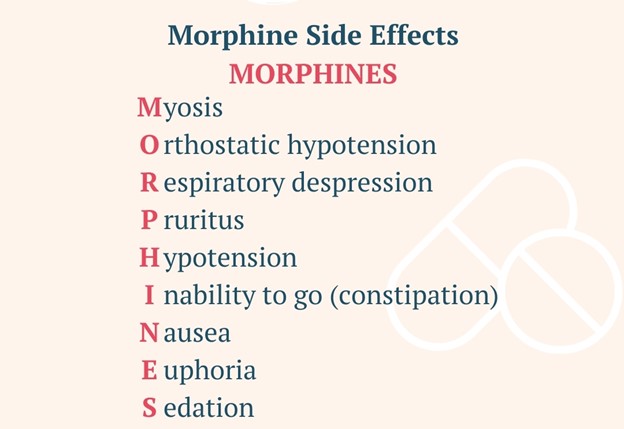
Naloxone is an opioid receptor antagonist used to reverse the effects of opioids like morphine. When administered to a client who has developed an adverse reaction to morphine, naloxone can rapidly reverse the effects of opioid overdose, including respiratory depression. Therefore, an increased respiratory rate is a therapeutic effect of naloxone, as it helps restore normal breathing patterns in clients who are experiencing respiratory depression due to opioid overdose.
B. Decreased blood pressure: Naloxone is not primarily used to affect blood pressure. Its primary goal is to reverse opioid overdose effects, particularly respiratory depression.
C. Increased pain relief: Naloxone does not directly increase pain relief. Its primary action is to reverse the effects of opioids at the receptor sites, which can also lead to the reduction of pain relief provided by opioids. However, its main role is the reversal of opioid overdose effects, not enhancing pain relief.
D. Decreased nausea: Nausea is a common side effect of opioid use. While naloxone can help reverse opioid overdose effects, it does not necessarily directly address nausea. Its main purpose is to restore normal respiratory function in cases of opioid overdose.
Correct Answer is D
Explanation
A. "Decrease your daily sodium intake."
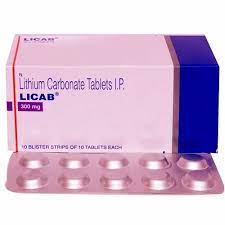
Incorrect Explanation: This instruction is appropriate for a client taking lithium carbonate.
Explanation: Lithium is a mood-stabilizing medication commonly prescribed for conditions like bipolar disorder. High levels of sodium can lead to increased lithium retention in the body, potentially raising the risk of toxicity. Advising the client to decrease their daily sodium intake helps prevent this.
B. "Take this medication 2 hours before a meal."
Incorrect Explanation: This instruction is not accurate for lithium carbonate.
Explanation: Lithium carbonate is typically taken with food or milk to help minimize stomach upset. Taking it on an empty stomach might increase the risk of gastrointestinal side effects.
C. "Limit foods containing tyramine."
Incorrect Explanation: This instruction is not directly relevant to lithium carbonate.
Explanation: Tyramine is a compound found in some foods and can interact with certain medications like monoamine oxidase inhibitors (MAOIs), but it is not a primary concern with lithium carbonate.
D. "Report swelling of the feet to your provider."
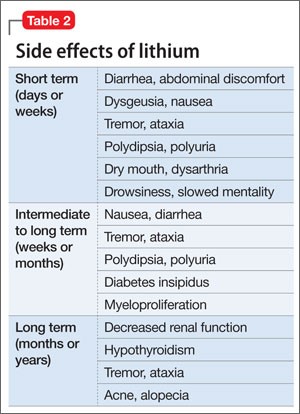
Correct Explanation: This instruction is appropriate for a client taking lithium carbonate.
Explanation: Lithium can lead to water retention, which might result in swelling, particularly in the feet and ankles. Reporting swelling is important as it can be an early sign of potential side effects or changes in kidney function.
Whether you are a student looking to ace your exams or a practicing nurse seeking to enhance your expertise , our nursing education contents will empower you with the confidence and competence to make a difference in the lives of patients and become a respected leader in the healthcare field.
Visit Naxlex, invest in your future and unlock endless possibilities with our unparalleled nursing education contents today