
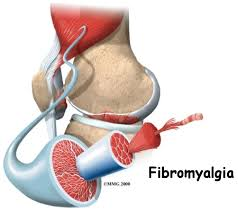
A nurse is discussing fibromyalgia with a client who is concerned about developing the disorder. Which finding would the nurse identify as a risk factor for this disease?
Diuretic use.
Emotional or physical trauma.
Overweight.
Being an adolescent male.
The Correct Answer is B
Choice a reason:
Diuretic use is not typically associated with an increased risk of developing fibromyalgia. Diuretics are commonly used to treat conditions like hypertension and edema by helping the body eliminate excess fluid, but they do not contribute to the onset of fibromyalgia¹.
Choice b reason:
Emotional or physical trauma has been identified as a risk factor for fibromyalgia. Individuals who experience significant stress or traumatic events may develop the disorder due to changes in how their central nervous system processes pain. Stress can lead to long-lasting effects on the body and may trigger fibromyalgia or worsen its symptoms²³⁴.
Choice c reason:
Being overweight is not a direct risk factor for fibromyalgia, but it can exacerbate symptoms in those who have the condition. Excess weight can increase the strain on the body and may contribute to the chronic pain and fatigue associated with fibromyalgia. However, it is not considered a causative factor¹.
Choice d reason:
Being an adolescent male is not a recognized risk factor for fibromyalgia. The disorder is more commonly diagnosed in women, and while it can occur at any age, it is most often diagnosed during middle age. Gender and age alone are not sufficient to determine the risk of developing fibromyalgia.
Nursing Test Bank
Naxlex Comprehensive Predictor Exams
Related Questions
Correct Answer is D
Explanation
Choice A reason:
Dysuria, or painful urination, is a common symptom of cystitis and indicates inflammation of the bladder, often caused by a urinary tract infection (UTI). While it is a symptom to monitor, it does not necessarily indicate progression of the infection.
Choice B reason:
An increased frequency of urination can be a symptom of cystitis due to irritation of the bladder lining. However, like dysuria, it is a common symptom of a UTI and may not signify that the infection is worsening.
Choice C reason:
Pyuria, the presence of white blood cells in the urine, and hematuria, the presence of blood in the urine, are both indicators of inflammation and infection. These symptoms can occur with cystitis but are also not specific to the progression of the infection.
Choice D reason:
Fever is a systemic response to infection and can indicate that a UTI, such as cystitis, is worsening or spreading, possibly to the kidneys, which is known as pyelonephritis. Monitoring for fever is important because it may necessitate more aggressive treatment, such as antibiotics, and possibly hospitalization if the infection is severe.
Correct Answer is C
Explanation
Choice A Reason
Increasing sodium intake is not recommended for patients who have passed a calcium oxalate stone. High sodium intake can increase calcium in the urine, which can contribute to the formation of new stones. Therefore, patients are often advised to limit their sodium intake to reduce the risk of stone recurrence.
Choice B Reason
Considering a move to an area with higher humidity is not a standard recommendation for preventing the recurrence of calcium oxalate stones. While climate can affect hydration levels, it is more important for the patient to focus on direct measures to stay hydrated, such as drinking more fluids.
Choice C Reason
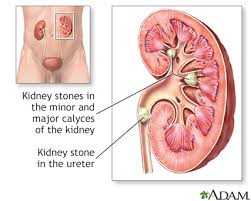
Increasing water intake is a key recommendation for patients who have had calcium oxalate stones. Adequate hydration is essential to dilute the urine, which helps prevent the formation of new stones. Patients are often advised to drink enough water to produce at least 2.5 liters of urine per day.
Choice D Reason
Decreasing the intake of all calcium-rich foods and beverages is not generally recommended for patients with calcium oxalate stones. In fact, a moderate intake of dietary calcium can help reduce the risk of stone formation by binding with oxalate in the intestines, which prevents it from being absorbed into the urine. Patients should consult with a healthcare provider or dietitian to determine the appropriate amount of dietary calcium.
Whether you are a student looking to ace your exams or a practicing nurse seeking to enhance your expertise , our nursing education contents will empower you with the confidence and competence to make a difference in the lives of patients and become a respected leader in the healthcare field.
Visit Naxlex, invest in your future and unlock endless possibilities with our unparalleled nursing education contents today