
A nurse is caring for four clients. Which of the following tasks should the nurse delegate to an assistive personnel (AP)?
Evaluate dietary intake for a client who has anorexia.
Measure the vital signs of a client who just returned from the PACU
Arrange the lunch tray for a client who has a hip fracture.
Assess I&O for a client who is receiving dialysis.
The Correct Answer is C
- A. Incorrect. Evaluating dietary intake requires nursing judgment and knowledge of nutrition and eating disorders. This task should not be delegated to an AP.
- B. Incorrect. Measuring vital signs of a postoperative client requires nursing assessment and monitoring for complications. This task should not be delegated to an AP.
- C. Correct. Arranging the lunch tray for a client who has a hip fracture is a routine task that does not require nursing skills or judgment. This task can be delegated to an AP.
- D. Incorrect. Assessing I&O for a client who is receiving dialysis requires nursing knowledge of fluid and electrolyte balance and renal function. This task should not be delegated to an AP.
Nursing Test Bank
Naxlex Comprehensive Predictor Exams
Related Questions
Correct Answer is D
Explanation
Choice A rationale:
Insomnia is a common side effect of sertraline and many other antidepressant medications. It is not indicative of serotonin syndrome, a potentially life-threatening condition characterized by excessive serotonin levels in the brain.
Choice B rationale:
Constipation is a side effect of some antidepressant medications, including sertraline. It is not a symptom of serotonin syndrome, which presents with a combination of symptoms such as confusion, agitation, rapid heart rate, dilated pupils, muscle rigidity, and high body temperature.
Choice C rationale:
Dry mouth is another common side effect of sertraline and many other medications. While uncomfortable, it is not a sign of serotonin syndrome. Symptoms of serotonin syndrome are neurological and autonomic, involving changes in mental status, muscle activity, and vital signs.
Choice D rationale:
Excessive sweating, also known as diaphoresis, can be a symptom of serotonin syndrome. Other symptoms might include agitation, tremor, hyperreflexia, fever, dilated pupils, and diarrhea. If a patient experiences these symptoms while taking sertraline, it could indicate serotonin syndrome and should be reported immediately for medical evaluation.
Correct Answer is A
Explanation
Implement fall precautions for the client.
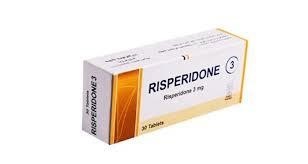
- A. Implement fall precautions for the client. This is correct because risperidone can cause orthostatic hypotension, which can increase the risk of falls and injuries. The nurse should advise the client to change positions slowly, avoid alcohol and dehydration, and use assistive devices as needed.
- B. Monitor the client's thyroid function. This is incorrect because risperidone does not affect thyroid function. The nurse should monitor the client's thyroid function if they are taking lithium, which can cause hypothyroidism.
- C. Place the client on a fluid restriction. This is incorrect because risperidone does not cause fluid retention or overload. The nurse should encourage adequate fluid intake and monitor the client's fluid balance.
- D. Discontinue the medication if hallucinations occur. This is incorrect because hallucinations are a symptom of schizophrenia, not a side effect of risperidone. The nurse should not discontinue the medication abruptly, as this can cause withdrawal symptoms and relapse of psychosis. The nurse should assess the client's response to the medication, report any adverse effects, and adjust the dosage as prescribed.
Whether you are a student looking to ace your exams or a practicing nurse seeking to enhance your expertise , our nursing education contents will empower you with the confidence and competence to make a difference in the lives of patients and become a respected leader in the healthcare field.
Visit Naxlex, invest in your future and unlock endless possibilities with our unparalleled nursing education contents today