
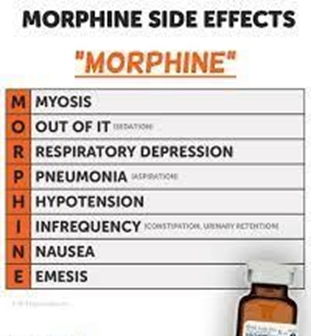
A nurse is assessing a client who received morphine for severe pain 30 min ago. Which of the following findings is the nurse's priority?
Respiratory rate 7/min
Distended bladder
Last bowel movement was 3 days ago
Reports pain of 8 on a scale from 0 to 10
The Correct Answer is A
A. A respiratory rate of 7/min is below the normal range and may indicate opioid- induced respiratory depression, which is a life-threatening complication requiring immediate intervention.
B. While important, a distended bladder does not pose an immediate threat to the client's life compared to respiratory depression.
C. Constipation is a common side effect of opioid medications but does not require immediate intervention unless accompanied by severe symptoms such as fecal impaction or bowel obstruction.
D. Pain management is important, but respiratory depression takes priority as it can lead to respiratory arrest and death.
Nursing Test Bank
Naxlex Comprehensive Predictor Exams
Related Questions
Correct Answer is B
Explanation
A. Extracellular fluid volume deficit (dehydration) typically leads to decreased venous return and reduced preload, resulting in flat or collapsed neck veins, rather than distended ones.
B. In extracellular fluid volume deficit, there is a decrease in blood volume, which can result in postural hypotension when the client changes positions, due to inadequate fluid volume to maintain blood pressure.
C. Extracellular fluid volume deficit is characterized by decreased fluid volume, which leads to decreased tissue perfusion and fluid shifts out of the interstitial spaces, resulting in reduced or absent edema.
D. Bradycardia is not typically associated with extracellular fluid volume deficit.
Instead, tachycardia may occur as a compensatory mechanism to maintain cardiac output in response to decreased blood volume.
Correct Answer is A
Explanation
A. Deep breathing is a relaxation technique that can help reduce pain by increasing oxygen delivery, decreasing muscle tension, and promoting a sense of calmness. The nurse should instruct the client to breathe slowly and deeply through the nose and exhale through the mouth.
B. Heat therapy may provide relief for muscle-related back pain but should not be applied for prolonged periods as it may cause tissue damage.
C. Minimizing environmental stimuli can help the client focus on relaxation techniques and alleviate pain perception but is not as effective as deep breathing.
D. Ice therapy is typically used for acute pain or inflammation and may not be appropriate for mild, ongoing back pain.
Whether you are a student looking to ace your exams or a practicing nurse seeking to enhance your expertise , our nursing education contents will empower you with the confidence and competence to make a difference in the lives of patients and become a respected leader in the healthcare field.
Visit Naxlex, invest in your future and unlock endless possibilities with our unparalleled nursing education contents today