
A nurse is assessing a client who has hypermagnesemia. Which of the following medications should the nurse prepare to administer?
Flumazenil
Acetylcysteine
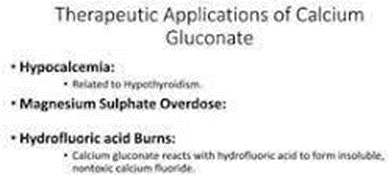
Calcium gluconate
Protamine sulfate
The Correct Answer is C
Choice A rationale: Flumazenil is a benzodiazepine receptor antagonist used for benzodiazepine overdose, not hypermagnesemia.
Choice B rationale: Acetylcysteine is used in acetaminophen overdose, not for hypermagnesemia.
Choice C rationale: Calcium gluconate is often used to counteract the effects of hypermagnesemia by antagonizing the actions of excess magnesium.
Choice D rationale: Protamine sulfate is used to reverse the effects of heparin, not for hypermagnesemia.
Nursing Test Bank
Naxlex Comprehensive Predictor Exams
Related Questions
Correct Answer is B
Explanation
Choice A rationale: Furosemide isn't typically contraindicated with sildenafil use.
Choice B rationale: Nitroglycerin and sildenafil both lower blood pressure, and concurrent use can lead to severe hypotension, making nitroglycerin a contraindication for sildenafil use.
Choice C rationale: Indomethacin isn't generally contraindicated with sildenafil use.
Choice D rationale: Albuterol isn't typically contraindicated with sildenafil use.
Correct Answer is B
Explanation
Choice A rationale: Massaging the site might increase bleeding or cause irritation after subcutaneous injection.
Choice B rationale: Grasping the skin between the thumb and forefinger throughout the injection helps to stabilize the tissue and minimize the risk of injecting the medication into the muscle, which could lead to increased bleeding.
Choice C rationale: Aspiration is not required for subcutaneous injections and might not influence bleeding at the injection site.
Choice D rationale: The Z-track method is typically used for intramuscular injections to prevent medication from leaking into subcutaneous tissue, but it is not appropriate for subcutaneous heparin injections.
Whether you are a student looking to ace your exams or a practicing nurse seeking to enhance your expertise , our nursing education contents will empower you with the confidence and competence to make a difference in the lives of patients and become a respected leader in the healthcare field.
Visit Naxlex, invest in your future and unlock endless possibilities with our unparalleled nursing education contents today