
A nurse is administering induction chemotherapy to a client who has acute myeloid leukemia (AML). The client asks the nurse what induction chemotherapy means. The nurse should respond by saying:
"It means that you will receive chemotherapy before other treatments to shrink the leukemia cells."
"It means that you will receive chemotherapy after other treatments to kill any leftover leukemia cells."
"It means that you will receive chemotherapy as the first treatment to put your leukemia into remission."
"It means that you will receive chemotherapy to control your symptoms and improve your quality of life."
The Correct Answer is C
Choice A reason:
This is incorrect because chemotherapy given before other treatments to shrink the leukemia cells is called neoadjuvant chemotherapy, not induction chemotherapy. Neoadjuvant chemotherapy is used to improve the outcome of the main treatment, such as surgery or radiation therapy.
Choice B reason:
This is incorrect because chemotherapy given after other treatments to kill any leftover leukemia cells is called adjuvant chemotherapy, not induction chemotherapy. Adjuvant chemotherapy is used to lower the chance of leukemia recurrence and improve the outcome of the firstline treatment.
Choice C reason:
This is correct because induction chemotherapy is the firstline or initial treatment of cancer, usually with high doses of anticancer drugs, before another treatment such as consolidation or postremission therapy. The goal of induction chemotherapy is to cure the cancer, destroy as many cancer cells as possible, suppress distant metastases, and shrink the tumor.
Choice D reason:
This is incorrect because chemotherapy given to control symptoms and improve quality of life is called palliative chemotherapy, not induction chemotherapy. Palliative chemotherapy is used for patients with incurable or terminal cancer to reduce pain and suffering.
Nursing Test Bank
Naxlex Comprehensive Predictor Exams
Related Questions
Correct Answer is B
Explanation
Choice A reason:
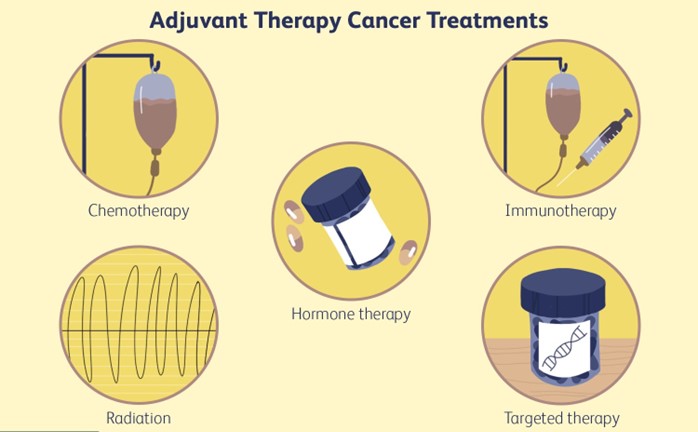
This is incorrect because shrinking the tumor before surgery and making it easier to remove is the purpose of neoadjuvant chemotherapy, not adjuvant chemotherapy. Neoadjuvant chemotherapy is given before the primary treatment, while adjuvant chemotherapy is given after the primary treatment.
Choice B reason:
This is correct because eliminating any remaining cancer cells and preventing recurrence is the main goal of adjuvant chemotherapy. Adjuvant chemotherapy is given after the primary treatment, usually surgery, to lower the chance that the cancer will return and to improve the outcome of firstline treatment.
Choice C reason:
This is incorrect because inducing remission and reducing the tumor burden is the purpose of induction chemotherapy, not adjuvant chemotherapy. Induction chemotherapy is given as the firstline treatment to achieve a complete or partial response.
Choice D reason:
This is incorrect because relieving symptoms and improving quality of life is the purpose of palliative chemotherapy, not adjuvant chemotherapy. Palliative chemotherapy is given to patients with incurable or terminal cancer to reduce pain and suffering.
Correct Answer is B
Explanation
Choice A reason:
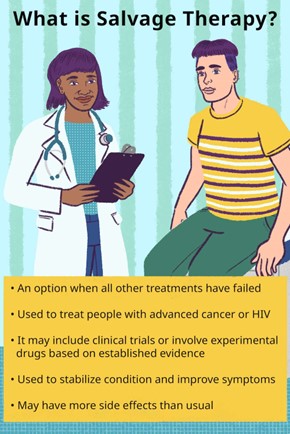
Salvage chemotherapy is not given to prevent relapse or progression of the disease, but rather to treat it when it has already relapsed or progressed. Preventive chemotherapy is usually given after the initial treatment has achieved a complete response, to reduce the risk of recurrence.
Choice B reason:
This is the correct answer. Salvage chemotherapy is given to control advanced or refractory disease, meaning that the disease has not responded to or has become resistant to previous treatments. Salvage chemotherapy aims to stabilize the disease, prevent further complications, and improve symptoms and quality of life. ³⁴
Choice C reason:
Salvage chemotherapy is not given to induce remission or reduce tumor burden, but rather to control it when it has already become unresponsive or resistant to previous treatments. Induction chemotherapy is usually given as the firstline treatment for aggressive cancers, to shrink the tumor before surgery or radiation therapy.
Choice D reason:
Salvage chemotherapy is not only given to relieve symptoms and improve quality of life, but also to control the disease and prevent further complications. Symptom relief and quality of life improvement are important goals of salvage chemotherapy, but they are not the only ones. ³⁴:
Whether you are a student looking to ace your exams or a practicing nurse seeking to enhance your expertise , our nursing education contents will empower you with the confidence and competence to make a difference in the lives of patients and become a respected leader in the healthcare field.
Visit Naxlex, invest in your future and unlock endless possibilities with our unparalleled nursing education contents today