
A client has a reddened area on his right heel.
What is the best intervention by the nurse to prevent further skin and tissue breakdown?
Document the reddened area
Ask the client how the area became reddened
Assess the client's diet
Relieve pressure from the right heel
The Correct Answer is D
The best intervention by the nurse to prevent further skin and tissue breakdown on a reddened area on a client’s right heel is to relieve pressure from the right heel1.
Heels are particularly vulnerable to skin breakdown and when patients lie supine, all of the pressure of their lower legs and feet rest on the heels1.
Preventing heel ulcers primarily involves the use of simple devices, like pillows and offloading devices, to protect delicate heels1.
Choice A is not correct because documenting the reddened area alone will not prevent further skin and tissue breakdown.
Choice B is not correct because asking the client how the area became reddened alone will not prevent further skin and tissue breakdown.
Choice C is not correct because assessing the client’s diet alone will not prevent further skin and tissue breakdown.
Nursing Test Bank
Naxlex Comprehensive Predictor Exams
Related Questions
Correct Answer is D
Explanation
Collaborate with the client and provider to develop a client-centered plan of care.
It is important for the nurse to respect the client’s cultural and religious beliefs while also ensuring that his medical needs are met.
By collaborating with the client and his healthcare provider, the nurse can help develop a plan of care that takes into account the client’s desire to fast during Ramadan while also managing his diabetes.
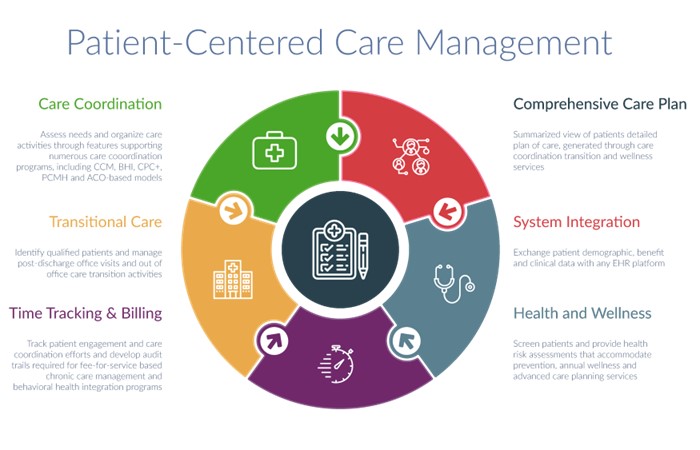
Choice A) Educating the client that fasting is not an option is not respectful of the client’s beliefs and may not be effective in promoting adherence to treatment.
Choice B) Telling the client not to take his insulin the night before is not appropriate as it may result in uncontrolled blood sugar levels.
Choice C) Informing the client that he will need to change his lifestyle completely is not a client-centered approach and may not be effective in promoting adherence to treatment.
Correct Answer is C
Explanation
The nurse’s priority action when an eight-year-old child is eating a hotdog and begins coughing is to promote coughing.
Coughing is the body’s natural way of trying to clear an obstruction from the airway.

Choice A is not the correct answer because beginning the Heimlich maneuver quickly is not the first action that should be taken.
Choice B is not the correct answer because telling the child to put his hands by his neck to signify that he is choking is not the first action that should be taken.
Choice D is not the correct answer because leaving the child alone to find a phone is not the first action that should be taken.
Whether you are a student looking to ace your exams or a practicing nurse seeking to enhance your expertise , our nursing education contents will empower you with the confidence and competence to make a difference in the lives of patients and become a respected leader in the healthcare field.
Visit Naxlex, invest in your future and unlock endless possibilities with our unparalleled nursing education contents today