
A client diagnosed with depression expresses a preference for alternative therapy over prescription medication. Which alternative therapy has been shown to be effective in treating this client's condition?
St. John's Wort
Black Cohosh
Peppermint
Echinacea
The Correct Answer is A
Choice A Reason:
St. John's Wort is a well-known herbal remedy that has been used for centuries to treat various ailments, including depression. It is believed to work by increasing the levels of neurotransmitters in the brain, such as serotonin, which can help improve mood and alleviate depressive symptoms. Clinical studies have shown that St. John's Wort can be effective for mild to moderate depression.
Choice B Reason:
Black Cohosh is primarily used to relieve symptoms associated with menopause, such as hot flashes and night sweats. While it may have some mood-stabilizing effects, there is insufficient evidence to support its use as a primary treatment for depression.
Choice C Reason:
Peppermint is commonly used for its soothing properties to aid digestion and reduce headaches. However, it is not typically used as a treatment for depression, and there is no substantial evidence to suggest it would be effective for this purpose.
Choice D Reason:
Echinacea is best known for its potential to boost the immune system and reduce symptoms of colds and other infections. It is not recognized as a treatment for depression, and there is no significant research to support its use in this context.
Nursing Test Bank
Naxlex Comprehensive Predictor Exams
Related Questions
Correct Answer is D
Explanation
Choice A Reason:
Bright lighting can be overwhelming for clients experiencing perceptual alterations. While regular checks on the client's mental status are important, excessive brightness can exacerbate sensory overload. The goal is to create an environment that is calming and reduces sensory stimuli to manageable levels.
Choice B Reason:
Keeping the lights dim may help to soothe some clients, but continuous noise from a radio can contribute to sensory overload. It's crucial to tailor the environment to the individual needs of the client, which often means providing a quiet space with minimal auditory distractions.
Choice C Reason:
Having the client sit by the nurse's desk may provide necessary supervision, but it can also expose the client to high levels of activity and noise, which can be disorienting. Rest periods with the television on can be distracting and may not offer the tranquil environment needed for a client with perceptual alterations.
Choice D Reason:
Providing a well-lit room without glare or shadows and limiting noise is the most appropriate environmental change for a client with perceptual alterations. This approach helps to reduce the risk of misperceptions and hallucinations, which can be triggered by shadows and glare. A quiet and well-lit environment supports better sensory processing and helps to maintain orientation.
Correct Answer is B
Explanation
Choice a reason:
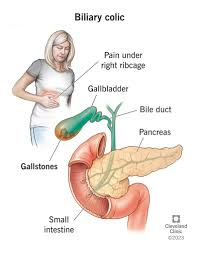
A cream to soothe itching may be used if the client is experiencing pruritus, which can sometimes accompany biliary issues due to bile salts in the skin. However, pruritus is not a direct symptom of biliary colic, which is characterized primarily by pain.
Choice b reason:
Pain medication is the appropriate treatment for biliary colic. Biliary colic is caused by the temporary blockage of the bile duct by a gallstone, leading to intense pain in the upper right abdomen or the center of the abdomen. Pain relief is typically achieved with anti-inflammatory drugs or antispasmodics, and in some cases, opioids may be necessary.
Choice c reason:
An antibiotic would be prescribed if there was an infection, such as cholecystitis or cholangitis. Biliary colic itself does not necessarily indicate an infection unless accompanied by other symptoms such as fever or elevated white blood cell count.
Choice d reason:
A laxative is not typically used to treat biliary colic. While laxatives can help relieve constipation, biliary colic is a result of gallstones obstructing the bile duct, not bowel movement issues.
Whether you are a student looking to ace your exams or a practicing nurse seeking to enhance your expertise , our nursing education contents will empower you with the confidence and competence to make a difference in the lives of patients and become a respected leader in the healthcare field.
Visit Naxlex, invest in your future and unlock endless possibilities with our unparalleled nursing education contents today