
A 6-year-old child is brought to the clinic because the mother has noticed the child scratching the anal area frequently. The nurse suspects the child has pinworms. Which childhood behavior enhances the transmission of pinworms?
Failing to regularly wash their hands after eating.
Failing to adequately wipe themselves after toileting.
Sharing their clothing with friends.
Engaging in frequent hand-to-mouth activity.
The Correct Answer is B
Choice A rationale:
Failing to regularly wash their hands after eating may contribute to the transmission of various infections, but it's not specifically related to pinworms.
Choice B rationale:
Failing to adequately wipe themselves after toileting can lead to the transfer of pinworm eggs from the anal area to the fingers and under the nails. This behavior increases the risk of ingesting the eggs through hand-to-mouth contact, which can perpetuate the pinworm infection cycle.
Choice C rationale:
Sharing clothing with friends might facilitate the transmission of certain infections like lice or fungal infections, but it's not a common mode of transmission for pinworms.
Choice D rationale:
Engaging in frequent hand-to-mouth activity might increase the risk of ingesting pinworm eggs, but the eggs are more likely to be present on the hands due to inadequate wiping after toileting.
Nursing Test Bank
Naxlex Comprehensive Predictor Exams
Related Questions
Correct Answer is ["A","B"]
Explanation
Choice A:
Hypoplastic left heart syndrome - Decreased pulmonary blood flow.
Choice B:
Tetralogy of Fallot - Obstruction to blood flow.
Choice C rationale:
Atrial Septal Defect is incorrectly matched with its hemodynamic classification. ASD results in increased pulmonary blood flow due to the shunting of oxygenated blood from the left atrium to the right atrium.
Choice D rationale:
Aortic Stenosis is again not accurately matched. Aortic stenosis causes obstruction to blood flow from the left ventricle to the aorta, impacting systemic circulation.
Correct Answer is B
Explanation
Choice A rationale:
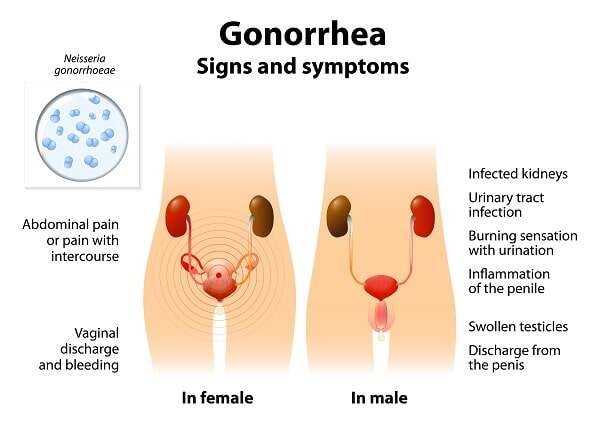
Inflammation and edema of the scrotum is not a typical symptom of gonorrhea. Scrotal involvement is more commonly associated with conditions like epididymitis.
Choice B rationale:
Painful urination with yellow urethral discharge is a classic symptom of gonorrhea. The infection affects the genitourinary tract, causing discomfort during urination and a characteristic purulent discharge.
Choice C rationale:
Maculopapular rash in the genital area is not a typical presentation of gonorrhea. This type of rash might be seen in other infections, such as syphilis.
Choice D rationale:
Red, hard lesion on the penis is not a common manifestation of gonorrhea. This description more closely matches the appearance of a primary syphilis chancre.
Whether you are a student looking to ace your exams or a practicing nurse seeking to enhance your expertise , our nursing education contents will empower you with the confidence and competence to make a difference in the lives of patients and become a respected leader in the healthcare field.
Visit Naxlex, invest in your future and unlock endless possibilities with our unparalleled nursing education contents today