
Which of the following hormones is responsible for regulating the body's metabolism and energy levels?
Estrogen
Progestin
Thyroxine
Androgen
Correct Answer : C
The correct answer is choice C. Thyroxine.
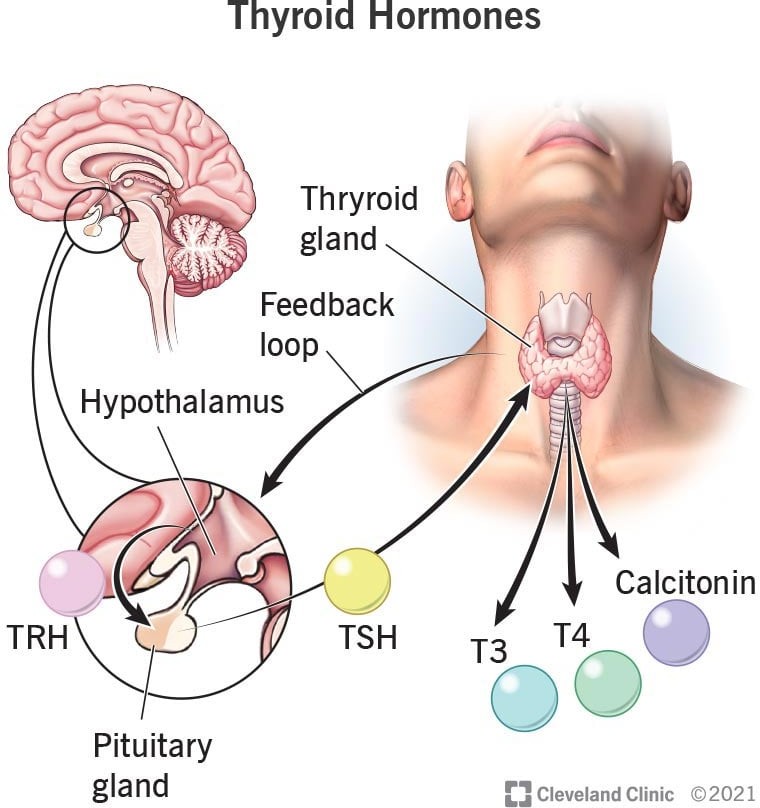
Thyroxine (T4) is a hormone produced by the thyroid gland that controls your body’s metabolism, the process in which your body transforms the food you eat into energy.
Choice A, Estrogen, is not the correct answer because it is a hormone responsible for the development of female secondary sexual characteristics.
Choice B, Progestin, is not the correct answer because it is a synthetic form of progesterone used in hormonal birth control and hormone replacement therapy.
Choice D, Androgen, is not the correct answer because it is a hormone responsible for the development of male secondary sexual characteristics.
TEAS 7 Exam Quiz Bank
HESI A2 Exam Quiz Bank
Find More Questions 📚
Teas 7 Questions: We got the latest updated TEAS 7 questions
100% Money Refund: 100% money back guarantee if you take our full
assessment pass with 80% and fail the actual exam.
Live Tutoring: Fully customized live tutoring lessons.
Guaranteed A Grade: All students who use our services pass with 90%
guarantee.
Related Questions
Correct Answer is C
Explanation
Innate immunity represents the first line of defense to an intruding pathogen.
The innate immune system is a series of nonspecific defenses that make up the innate immune system.
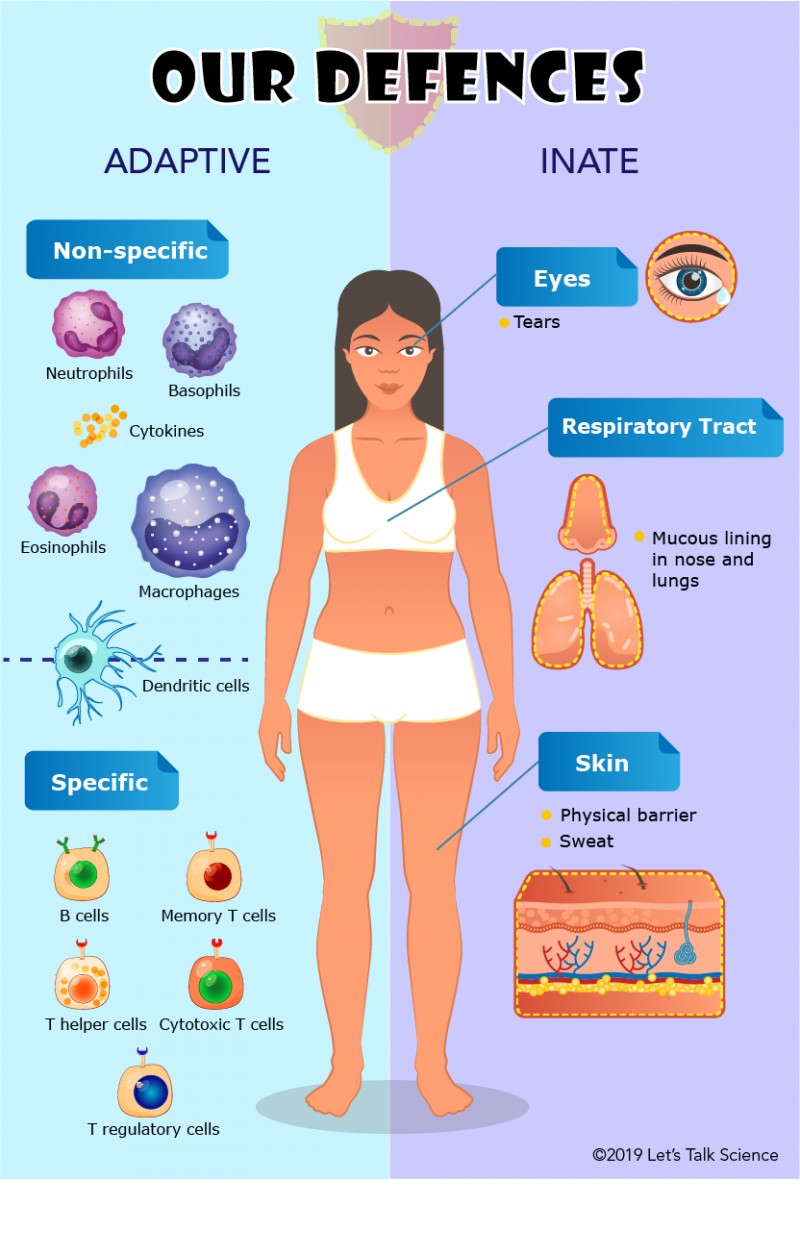
These defenses are not directed against any one pathogen but instead provide a guard against all infection.
Choice A is incorrect because adaptive immunity is activated when pathogens are able to bypass innate immune defenses.
Choice B is incorrect because antibodies are part of the adaptive immune system and are produced by B cells.
Choice D is incorrect because T cells are part of the adaptive immune system and assist B cells or directly kill infected cells.
Correct Answer is C
Explanation
Diffusion.
During hemodialysis, waste products and excess fluids are removed from the blood by diffusion 1.
Diffusion is a separation process in which particles that are dissolved in a solution are relocated from an area of higher concentration in the blood to an area of lower concentration in the dialysate.
Choice A.
Active transport is incorrect because active transport is a process that uses energy to move molecules against a concentration gradient.
Choice B.
Osmosis is incorrect because osmosis is the movement of water molecules across a semipermeable membrane from an area of higher water concentration to an area of lower water concentration.
Choice D.
Facilitated diffusion is incorrect because facilitated diffusion is a process where molecules move down their concentration gradient with the help of carrier proteins.
Correct Answer is A
Explanation
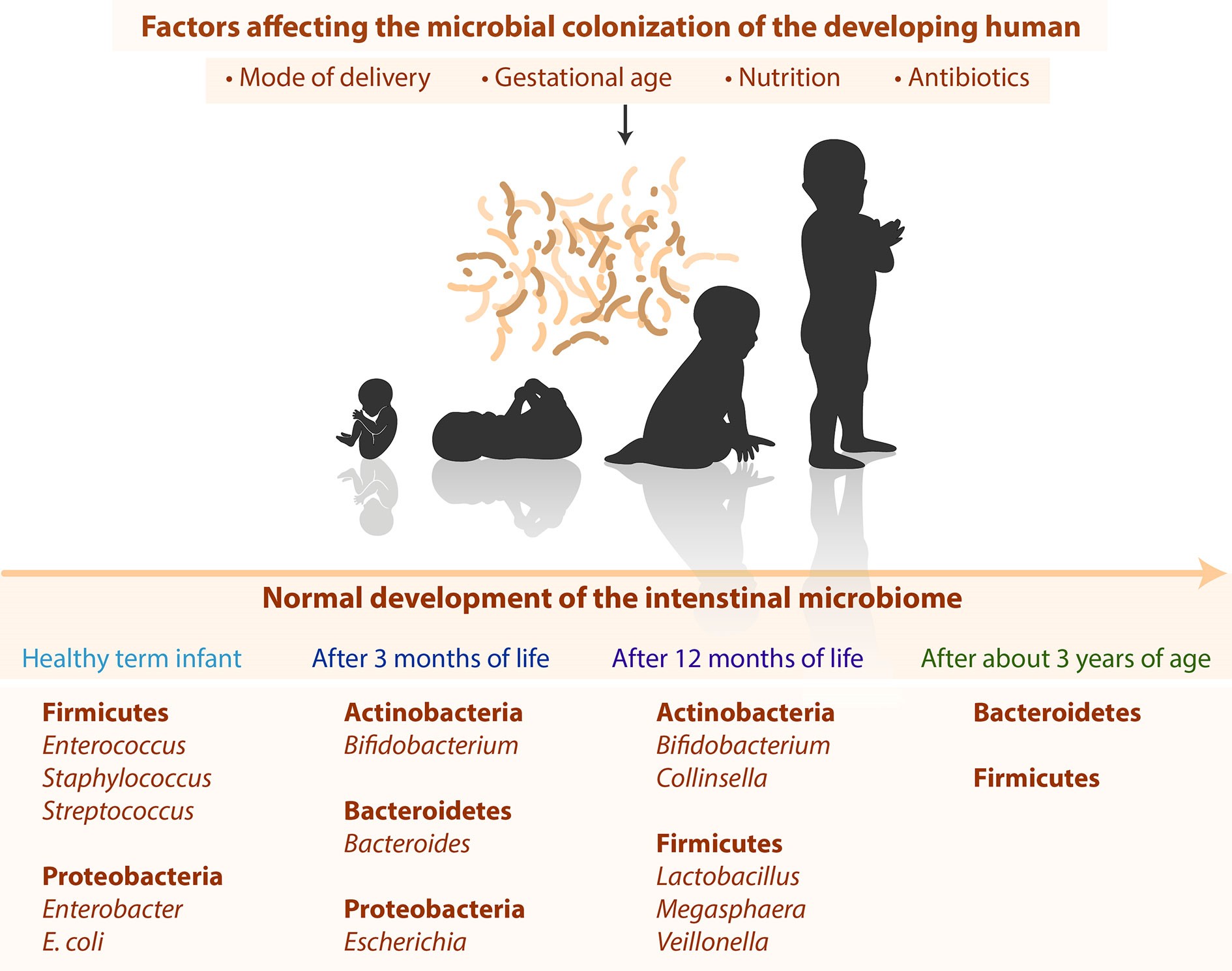
The normal flora refers to the microbial community that colonizes on the skin and mucus membrane .
Normal flora can be found in many sites of the human body including the skin, respiratory tract, urinary tract, and the digestive tract.
Choice B is incorrect because normal flora does not refer to a group of infectious parasites that cause diarrheal diseases .
Choice C is incorrect because normal flora does not refer to the genetic material of bacteria housed within a true nucleus .
Choice D is incorrect because normal flora does not refer to the protein coat surrounding the viral genome .
Correct Answer is C
Explanation
The correct answer is choice C. Estrogen.
Estrogen is a steroid hormone responsible for the development of female secondary sexual characteristics such as breast development, menstrual cycle, and widening of hips.
Choice A, Progesterone, is not the correct answer because it is required to maintain pregnancy and delivery.
Choice B, Testosterone, is not the correct answer because it is a hormone produced by the testes which controls the development of male secondary sexual characteristics.
Choice D, FSH (Follicle Stimulating Hormone), is not the correct answer because it stimulates the growth of ovarian follicles in females and regulates spermatogenesis in males.
Correct Answer is C
Explanation
The correct answer is choice C. Thyroxine.
Thyroxine (T4) is a hormone produced by the thyroid gland that controls your body’s metabolism, the process in which your body transforms the food you eat into energy.
Choice A, Estrogen, is not the correct answer because it is a hormone responsible for the development of female secondary sexual characteristics.
Choice B, Progestin, is not the correct answer because it is a synthetic form of progesterone used in hormonal birth control and hormone replacement therapy.
Choice D, Androgen, is not the correct answer because it is a hormone responsible for the development of male secondary sexual characteristics.
Correct Answer is A
Explanation
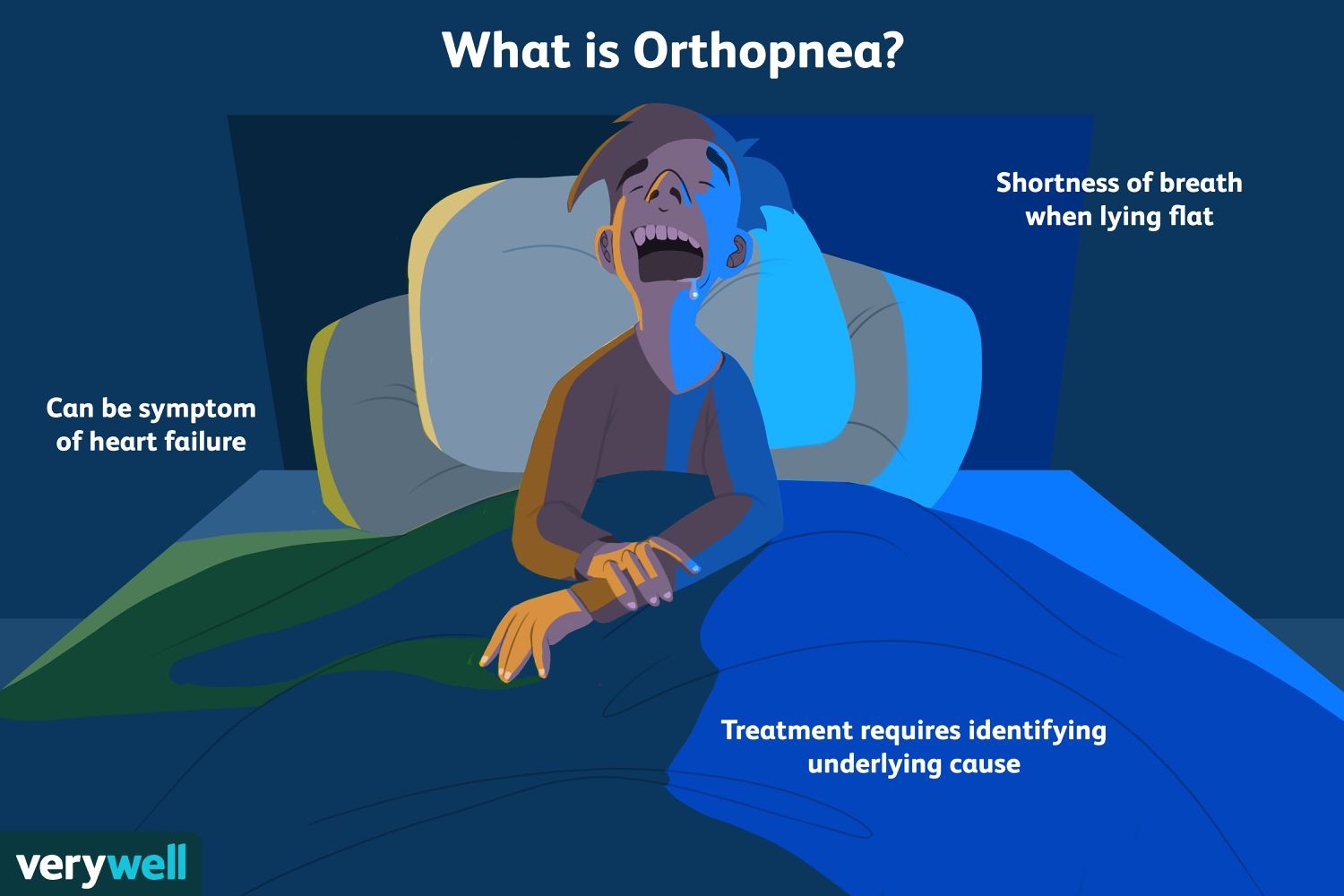
The correct answer is choice A. Orthopnea.
Orthopnea refers to a condition in which a patient experiences difficulty breathing while lying down, but their breathing improves when they sit up or stand.
 |
Choice B, Hypoxia, is not the correct answer because it refers to a condition in which there is a lack of oxygen supply to the body’s tissues.
Choice C, Tachypnea, is not the correct answer because it refers to rapid breathing.
Choice D, Bradypnea, is not the correct answer because it refers to abnormally slow breathing.
Correct Answer is C
Explanation
Water is sometimes called the “universal solvent” because it dissolves more substances than any other liquid.
This is due to its polarity and ability to form hydrogen bonds, which allows it to dissolve ions and polar molecules.
Choice A) Because water dissolves all solutes equally well is incorrect because water does not dissolve all solutes equally well.
Choice B) Because water is a nonpolar solvent is incorrect because water is a polar solvent.
Choice D) Because water is poor at dissolving nonpolar molecules is incorrect because it does not explain why water is called the “universal solvent”.
Correct Answer is C
Explanation
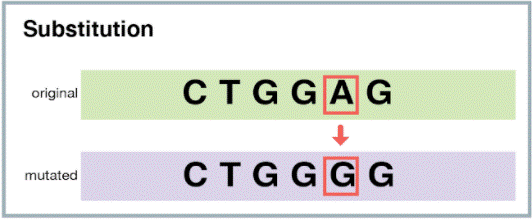
The correct answer is choice C. Substitution.
A substitution mutation is a type of point mutation where one base in the DNA sequence is replaced by another base.
 |
Choice A is incorrect because a deletion mutation occurs when one or more bases are removed from the DNA sequence.
Choice B is incorrect because an insertion mutation occurs when one or more bases are added to the DNA sequence.
Choice D is incorrect because an inversion mutation occurs when a segment of DNA is reversed within the chromosome.
Correct Answer is D
Explanation
Atomic mass is very close to mass number but with some deviation in the decimal places.
Atomic mass is also known as atomic weight and is the weighted average mass of an atom of an element based on the relative natural abundance of that element’s isotopes.
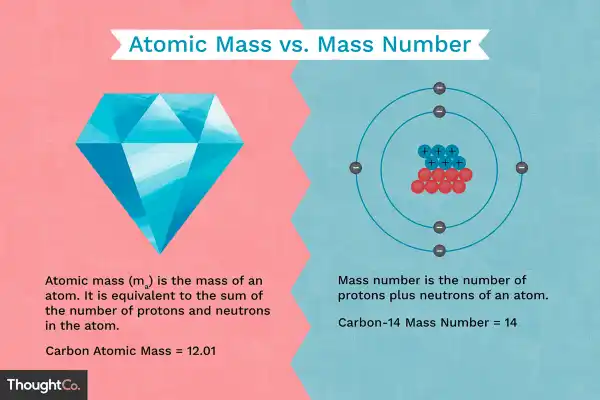 |
The mass number, on the other hand, is a count of the total number of protons and neutrons in an atom’s nucleus.
Choice A is incorrect because atomic mass and mass number do not mean the same thing.
Choice B is incorrect because atomic mass is not always greater than mass number.
Choice C is incorrect because atomic mass and mass number are related.
Correct Answer is C
Explanation
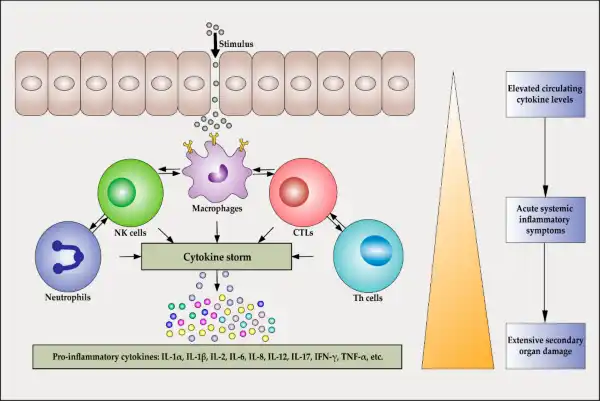
Inflammatory cytokines released during the early response to bacterial infection play a crucial role in initiating cell recruitment and local inflammation 1.
They induce the expression of adhesion molecules in endothelial cells and promote the recruitment of neutrophils to the site of inflammation 1.
Choice A is incorrect because while inflammatory cytokines may enhance phagocytosis, they do not directly disrupt the infection.
Choice B is incorrect because inflammatory cytokines do not directly attack invading pathogens.
Choice D is incorrect because inflammatory cytokines do not secrete antibodies to neutralize pathogens.
This question was extracted from the actual TEAS Exam. Ace your TEAS exam with the actual TEAS 7 questions, Start your journey with us today
Visit Naxlex, the Most Trusted TEAS TEST Platform With Guaranteed Pass of 90%.
Money back guarantee if you use our service and fail the actual exam. Option of personalised live tutor on your area of weakness.