
What is the difference between innate immunity and adaptive immunity?
Innate immunity is present at birth and provides immediate, non-specific protection against pathogens while adaptive immunity is developed over time and provides specific protection against particular pathogens.
Innate immunity involves the recognition of specific pathogens while adaptive immunity involves the recognition of general paterns of pathogens.
Innate immunity involves the production of antibodies while adaptive immunity involves the activation of phagocytes.
Innate immunity is activated by the lymphatic system while adaptive immunity is activated by the circulatory system.
Correct Answer : A
Innate immunity is the first line of defense against pathogens and is present at birth. It provides immediate, non-specific protection against a wide range of pathogens, including bacteria, viruses, and fungi. Innate immunity involves physical barriers, such as skin and mucous membranes, as well as cellular and molecular components, such as phagocytes and cytokines.
Adaptive immunity, on the other hand, is developed over time and provides specific protection against particular pathogens. It involves the recognition of antigens, which are specific components of pathogens, by immune cells called lymphocytes. The lymphocytes then produce antibodies that are specific to the antigens, allowing for a targeted response to the pathogen. This process takes time to develop, as the immune system needs to encounter the pathogen and mount a response.
Overall, innate immunity provides immediate, non-specific protection while adaptive immunity provides specific protection that is tailored to the particular pathogen. Both forms of immunity work together to protect the body against pathogens.
TEAS 7 Exam Quiz Bank
HESI A2 Exam Quiz Bank
Find More Questions 📚
Teas 7 Questions: We got the latest updated TEAS 7 questions
100% Money Refund: 100% money back guarantee if you take our full
assessment pass with 80% and fail the actual exam.
Live Tutoring: Fully customized live tutoring lessons.
Guaranteed A Grade: All students who use our services pass with 90%
guarantee.
Related Questions
Correct Answer is C
Explanation
Facial acne is commonly caused by the blockage and inflammation of the sebaceous glands. These glands are responsible for secreting sebum, an oily substance that helps to lubricate the skin and hair. When these glands become overactive, or their ducts are blocked by excess sebum and dead skin cells, it can lead to the formation of pimples, blackheads, or whiteheads, which are typical signs of acne.
- Sebaceous glands are found near hair follicles and are primarily responsible for acne when they become clogged.
The other options are not related to acne:
- A. Lacrimal glands: These produce tears and are associated with the eye, not the skin.
- B. Sudoriferous glands: These are sweat glands, which are involved in perspiration, not typically linked to acne.
- D. Ceruminous glands: These are found in the ear canal and produce earwax, not involved in facial skin health.
Correct Answer is B
Explanation
The perineum is the region of the body located between the pubic symphysis (in the front) and the coccyx (in the back). It includes the areas surrounding the openings for the urinary, digestive, and reproductive systems, such as the urethra, anus, and, in females, the vaginal opening.
The other options describe different areas of the body:
- A. The area on the back between the neck and the two shoulder blades refers to the upper back and shoulder region, not the perineum.
- C. The area between the nipples on the chest and the belly button describes the mid-torso, not the perineum.
- D. The area between the edges of the eyes and the chin describes the face, not the perineum.
Correct Answer is C
Explanation
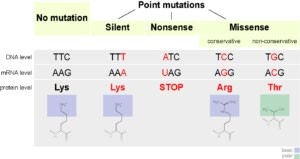
A frameshift mutation is a type of genetic mutation that involves the insertion or deletion of one or more nucleotides in a DNA sequence. This can cause a shift in the reading frame of the genetic code, resulting in a change in the amino acid sequence of the resulting protein. Frameshift mutations can have significant effects on the function of the protein and can lead to genetic disorders or diseases.
 |
Correct Answer is B
Explanation
In the given exothermic reaction:
CaO + H2O ⇌ Ca(OH)2 + heat
To increase the total yield of lime water (Ca(OH)₂), you can apply Le Chatelier's Principle, which states that if a dynamic equilibrium is disturbed, the system will shift in a direction that counteracts the disturbance.
- A. Continuously remove Ca(OH)₂: By removing the product (Ca(OH)₂) as it forms, the equilibrium will shift to the right, favoring the formation of more Ca(OH)₂. This is the most effective way to increase the yield.
The other options are less effective or counterproductive:
- B. Increase the temperature: Since the reaction is exothermic, increasing the temperature would shift the equilibrium to the left (toward the reactants), reducing the yield of Ca(OH)₂.
- C. Increase the pressure: This reaction does not involve gases, so changing the pressure would not significantly affect the equilibrium.
- D. Add an enzyme that can catalyze this reaction: While a catalyst speeds up the rate of reaction, it does not affect the equilibrium position or the total yield of products. It simply allows the system to reach equilibrium faster.
Thus, continuously removing Ca(OH)₂ is the best way to increase the total yield of lime water.
Correct Answer is D
Explanation
 |
Correct Answer is A
Explanation
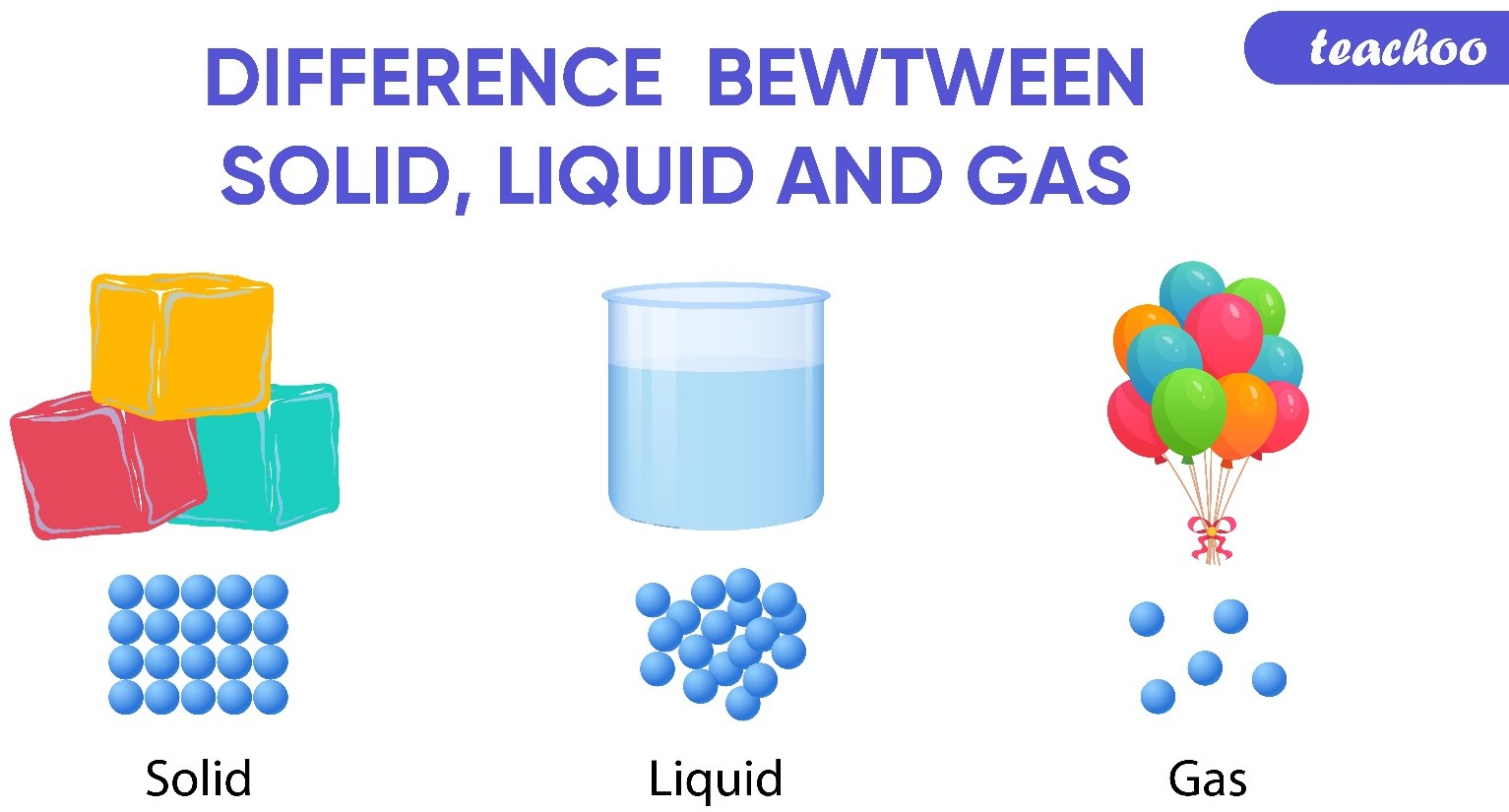
The main difference between a solid and a liquid is their physical state and the way their particles are arranged. In a solid, the particles are tightly packed together and have a fixed position, which gives the solid a definite shape and volume. Solids are also characterized by their high density, low compressibility, and high thermal conductivity.
In contrast, the particles in a liquid are more loosely packed and can move around each other, which allows the liquid to take the shape of its container. Liquids have a definite volume but no fixed shape, which means they can be poured or spilled. Liquids also have a lower density than solids, are more compressible than solids, and have lower thermal conductivity than solids.
Option b) is incorrect because it describes the properties of a gas, not a liquid. Option c) is incorrect because solids and liquids have different physical properties. Option d) is incorrect because it describes the properties of a gas, not a liquid or a solid.
 |
Correct Answer is A
Explanation
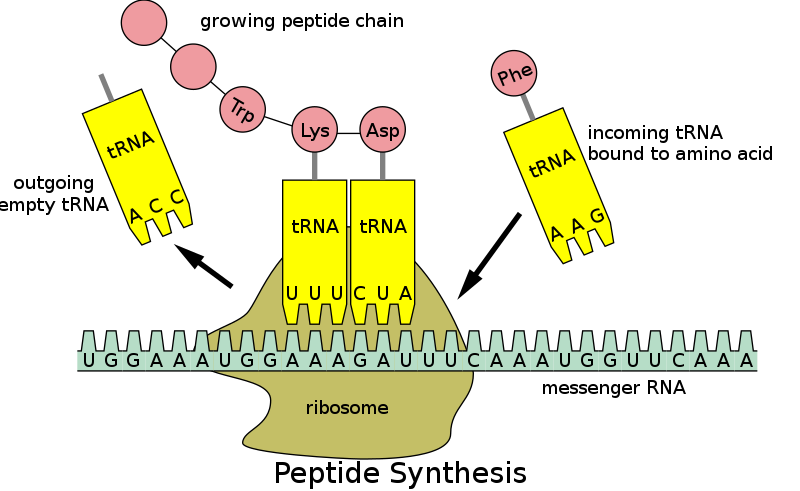
Transfer RNA (tRNA) is responsible for carrying amino acids to ribosomes during protein synthesis. Each tRNA molecule has a specific anticodon that matches a codon on the messenger RNA (mRNA) molecule. The tRNA molecule binds to the mRNA codon and brings the corresponding amino acid to the ribosome, where it is added to the growing polypeptide chain.
 |
Correct Answer is C
Explanation
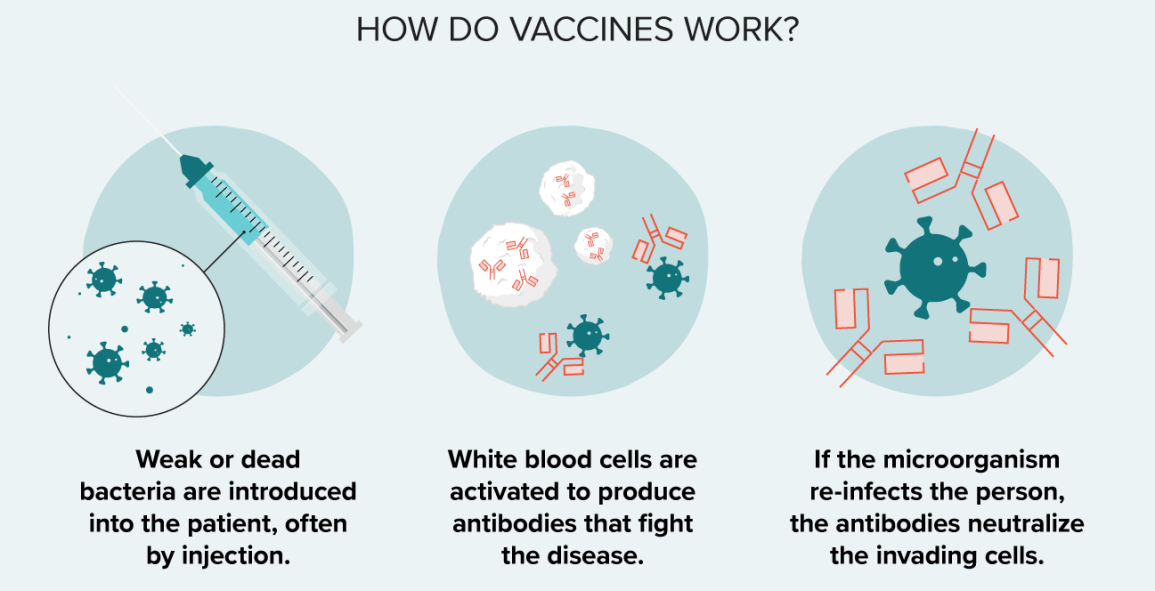
Vaccines are a type of preventative medicine that work by exposing the individual to a weakened or inactivated form of a pathogen (such as a virus or bacteria) or to a piece of the pathogen (such as a protein or sugar) that triggers an immune response in the body. This exposure allows the body to develop immunity to the pathogen without getting sick from the full-blown disease. Once the immune system has been primed, it can recognize and quickly respond to the pathogen if it is encountered again in the future, providing protection against the disease.
It is a common misconception that vaccines can cause the disease they are designed to protect against. This is not true. While some vaccines may cause mild symptoms such as a low-grade fever or soreness at the injection site, they do not cause the full-blown disease.
Vaccines provide active immunity, meaning that the body produces its own antibodies against the pathogen, rather than receiving pre-made antibodies as in passive immunity. Additionally, vaccines can be effective against both bacterial and viral infections, depending on the specific vaccine.
Correct Answer is C
Explanation
Spirometry is a common pulmonary function test that measures pulmonary ventilation, specifically assessing the volume and flow of air that can be inhaled and exhaled from the lungs. It provides important information about lung function and can help diagnose various respiratory conditions.
The other options do not relate to spirometry:
- A. Urinary capacity of the bladder: This is measured by urodynamics or bladder capacity tests, not spirometry.
- B. Volume of blood in the body: This can be estimated using different methods, such as dilution techniques or imaging, but not spirometry.
- D. Number of turns in the small intestine: This relates to the anatomy and function of the digestive system and is not measured by spirometry.
Thus, spirometry specifically evaluates how well the lungs are functioning in terms of air movement.
Correct Answer is A
Explanation
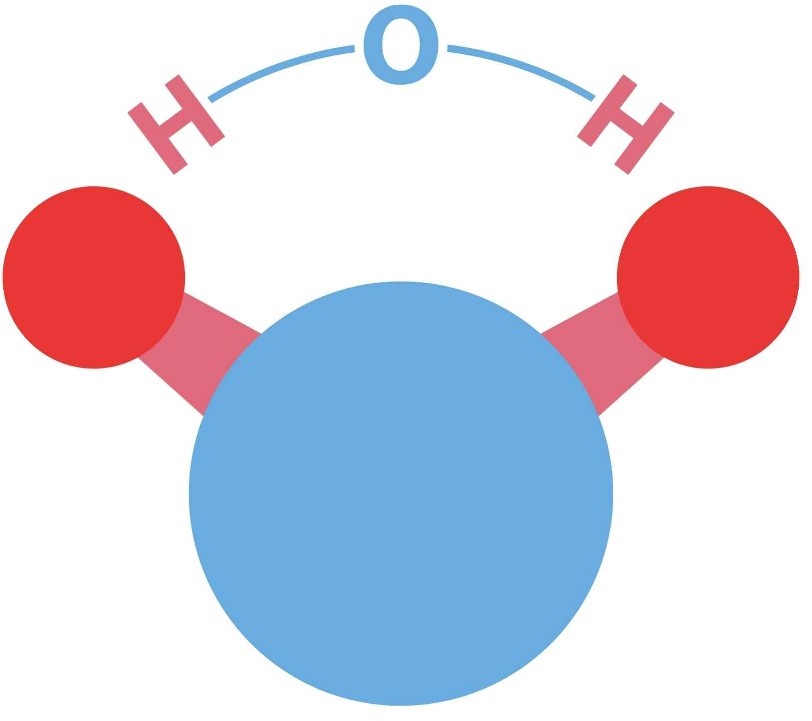
The chemical formula for water is H2O. It consists of two hydrogen atoms and one oxygen atom.
 |
This question was extracted from the actual TEAS Exam. Ace your TEAS exam with the actual TEAS 7 questions, Start your journey with us today
Visit Naxlex, the Most Trusted TEAS TEST Platform With Guaranteed Pass of 90%.
Money back guarantee if you use our service and fail the actual exam. Option of personalised live tutor on your area of weakness.