
How do neurons communicate with each other?
Through electrical signals only
Through chemical signals only
Through electrical and chemical signals
Through mechanical signals only.
Correct Answer : C
Neurons communicate with each other through both electrical and chemical signals.
The electrical signal, or action potential, runs from the cell body area to the axon terminals, through a thin fiber called axon.
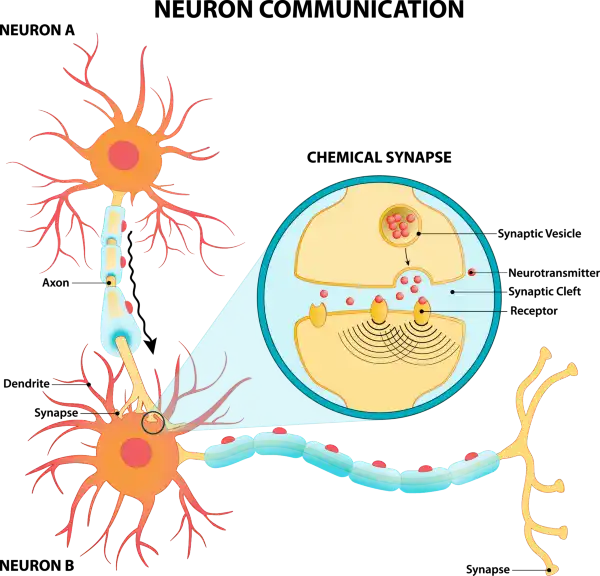
Neurons also communicate with one another at junctions called synapses.
At a synapse, one neuron sends a message to a target neuron—another cell.
Most synapses are chemical; these synapses communicate using chemical messengers.
Choice A is incorrect because neurons communicate not only through electrical signals but also through chemical signals.
Choice B is incorrect because neurons communicate not only through chemical signals but also through electrical signals.
Choice D is incorrect because neurons do not communicate through mechanical signals.
TEAS 7 Exam Quiz Bank
HESI A2 Exam Quiz Bank
Find More Questions 📚
Teas 7 Questions: We got the latest updated TEAS 7 questions
100% Money Refund: 100% money back guarantee if you take our full
assessment pass with 80% and fail the actual exam.
Live Tutoring: Fully customized live tutoring lessons.
Guaranteed A Grade: All students who use our services pass with 90%
guarantee.
Related Questions
Correct Answer is B
Explanation
The correct answer is choice B.
Using a placebo group and a double-blind technique for giving the medications is the best way to ensure that the study is valid and reliable.
A placebo group helps control for the placebo effect, which can influence the results of a study.
A double-blind technique means that neither the patients nor the researchers know which medication is being given, reducing bias.
Choice A is not the best answer because while a large sample size and standardized procedure can increase reliability, they do not address validity.
Choice C is not the best answer because a matched-pairs design and crossover technique are useful for reducing variability but do not address validity.
Choice D is not the best answer because a convenience sample may not be representative and a pretest-posttest design does not control for extraneous variables.
Correct Answer is B
Explanation
The correct answer is choice B.
It decreases the activation energy required for the reaction.
A catalyst provides a new reaction pathway in which a lower activation energy is offered.
This allows more reactant molecules to collide with enough energy to surmount the smaller energy barrier, increasing the rate of reaction 2.
Choice A, It increases the activation energy required for the reaction, is not the correct answer because it describes the opposite effect of a catalyst.
Choice C, It has no effect on the activation energy required for the reaction, is not the correct answer because a catalyst does have an effect on activation energy.
Choice D, It increases the rate of reaction but has no effect on the activation energy, is not the correct answer because a catalyst increases the rate of reaction by decreasing the activation energy.
Correct Answer is B
Explanation
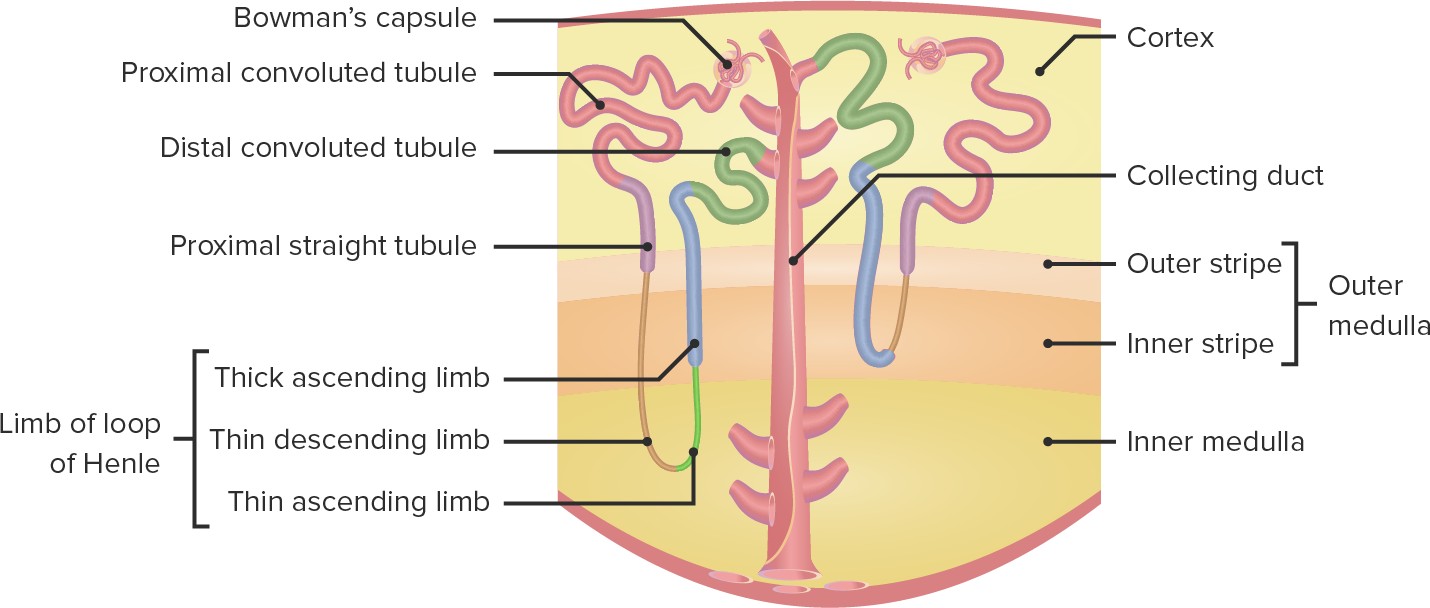
Proximal tubule
The proximal tubule is responsible for reabsorbing all the nutrients and most of the water.
 |
Choice A is incorrect because the distal tubule is not primarily responsible for reabsorbing ions, water and nutrients.
Choice C is incorrect because the glomerulus is responsible for filtering fluid and solutes out of the blood to form a glomerular filtrate.
Choice D is incorrect because the Loop of Henle is not primarily responsible for reabsorbing ions, water and nutrients.
Correct Answer is C
Explanation
Water is sometimes called the “universal solvent” because it dissolves more substances than any other liquid.
This is due to its polarity and ability to form hydrogen bonds, which allows it to dissolve ions and polar molecules.
Choice A) Because water dissolves all solutes equally well is incorrect because water does not dissolve all solutes equally well.
Choice B) Because water is a nonpolar solvent is incorrect because water is a polar solvent.
Choice D) Because water is poor at dissolving nonpolar molecules is incorrect because it does not explain why water is called the “universal solvent”.
Correct Answer is A
Explanation
The correct answer is choice A.
The spleen is an organ in the human body that is responsible for the removal of damaged red blood cells and the production of certain types of white blood cells.
Choice B is incorrect because the kidneys are responsible for filtering waste from the blood and regulating electrolyte balance.
Choice C is incorrect because the pancreas produces hormones and enzymes that aid in digestion.
Choice D is incorrect because the thyroid gland produces hormones that regulate metabolism.
Correct Answer is D
Explanation
Atomic mass is very close to mass number but with some deviation in the decimal places.
Atomic mass is also known as atomic weight and is the weighted average mass of an atom of an element based on the relative natural abundance of that element’s isotopes.
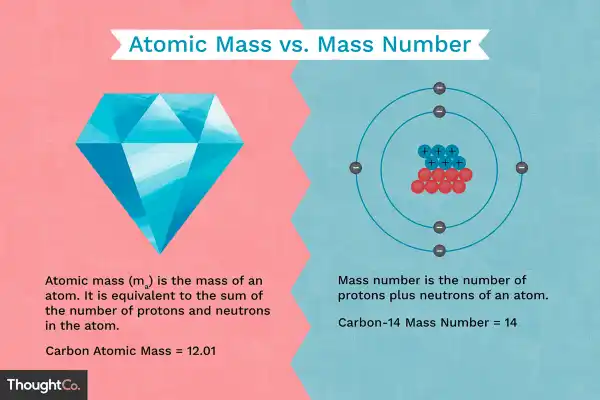 |
The mass number, on the other hand, is a count of the total number of protons and neutrons in an atom’s nucleus.
Choice A is incorrect because atomic mass and mass number do not mean the same thing.
Choice B is incorrect because atomic mass is not always greater than mass number.
Choice C is incorrect because atomic mass and mass number are related.
Correct Answer is A
Explanation
Hydrogen bonding is an interaction involving a hydrogen atom located between a pair of other atoms having a high affinity for electrons.
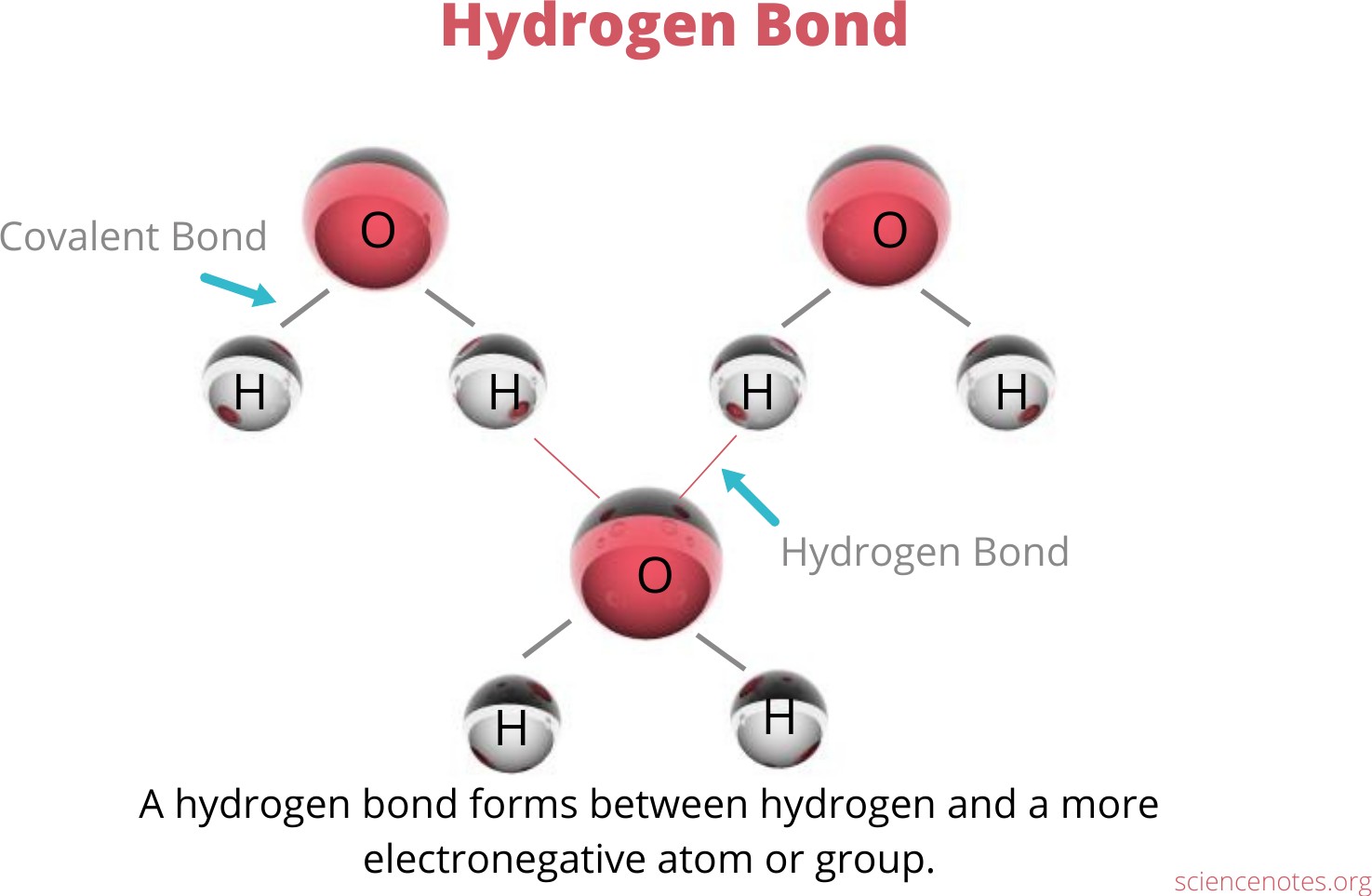 |
One atom of the pair (the donor), generally a fluorine, nitrogen, or oxygen atom, is covalently bonded to a hydrogen atom, whose electrons it shares unequally; its high electron affinity causes the hydrogen to take on a slight positive charge.
The other atom of the pair (the acceptor), also typically F, N, or O, has an unshared electron pair, which gives it a slight negative charge.
Mainly through electrostatic attraction, the donor atom effectively shares its hydrogen with the acceptor atom, forming a bond.
Choice B) The repulsion between the positive and negative charges of two molecules is incorrect because hydrogen bonding involves attraction, not repulsion.
Choice C) The attraction between two nonpolar molecules is incorrect because hydrogen bonding involves polar molecules.
Choice D) The attraction between two ionic molecules is incorrect because hydrogen bonding involves polar molecules and not ionic molecules.
Correct Answer is C
Explanation
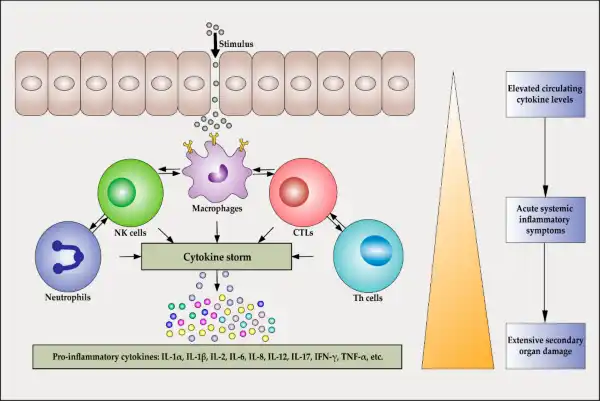
Inflammatory cytokines released during the early response to bacterial infection play a crucial role in initiating cell recruitment and local inflammation 1.
They induce the expression of adhesion molecules in endothelial cells and promote the recruitment of neutrophils to the site of inflammation 1.
Choice A is incorrect because while inflammatory cytokines may enhance phagocytosis, they do not directly disrupt the infection.
Choice B is incorrect because inflammatory cytokines do not directly attack invading pathogens.
Choice D is incorrect because inflammatory cytokines do not secrete antibodies to neutralize pathogens.
Correct Answer is A
Explanation
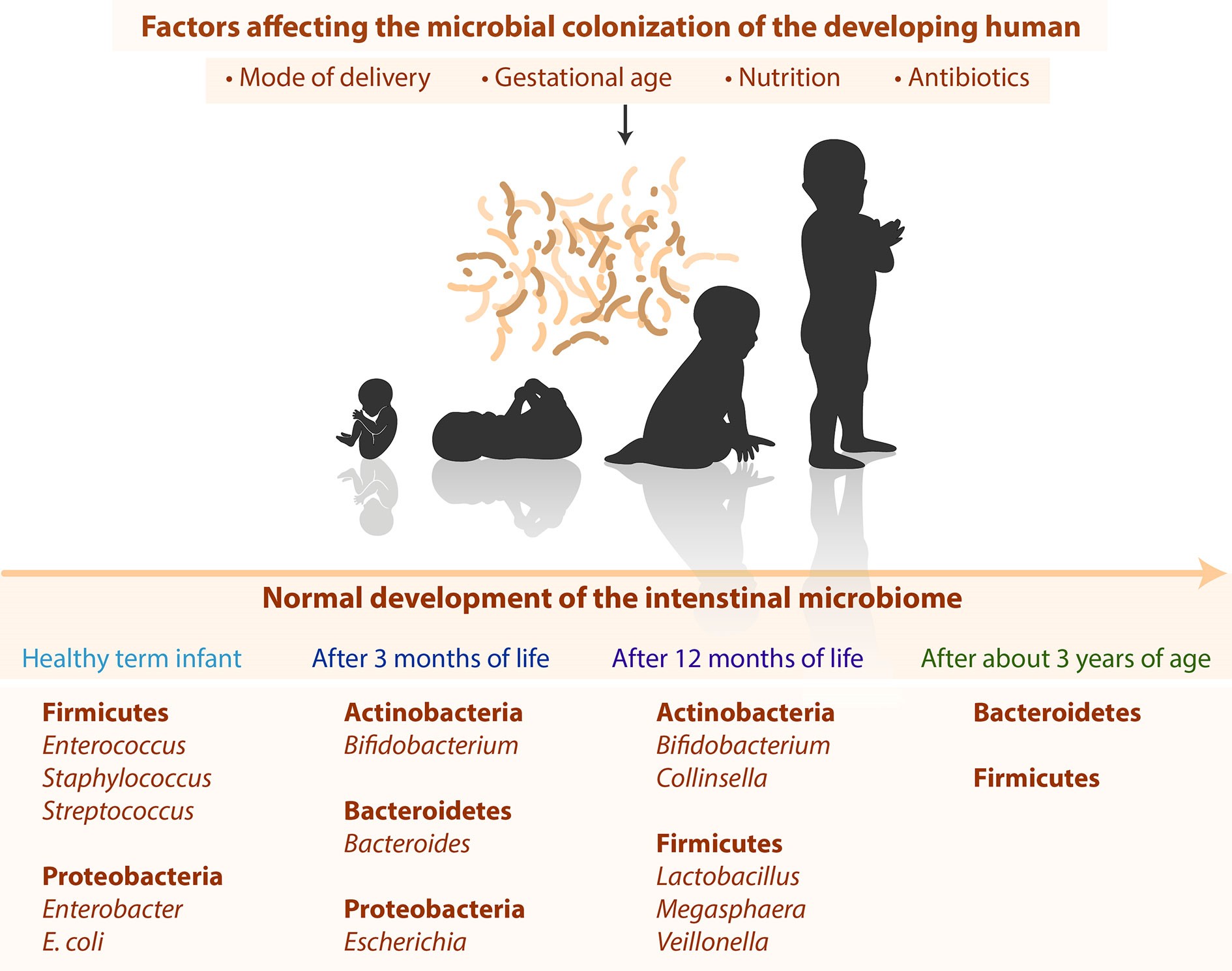
The normal flora refers to the microbial community that colonizes on the skin and mucus membrane .
Normal flora can be found in many sites of the human body including the skin, respiratory tract, urinary tract, and the digestive tract.
Choice B is incorrect because normal flora does not refer to a group of infectious parasites that cause diarrheal diseases .
Choice C is incorrect because normal flora does not refer to the genetic material of bacteria housed within a true nucleus .
Choice D is incorrect because normal flora does not refer to the protein coat surrounding the viral genome .
Correct Answer is C
Explanation
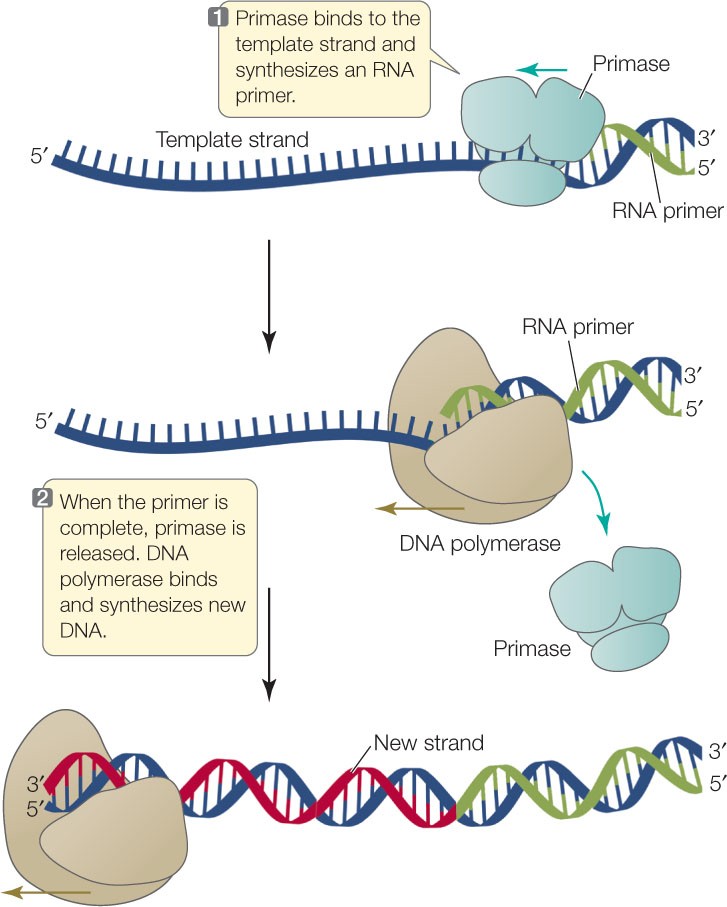
A primer is a short single-stranded DNA fragment used in certain laboratory techniques, such as the polymerase chain reaction (PCR).
In the PCR method, a pair of primers hybridizes with the sample DNA and defines the region that will be amplified.
Choice A) A short piece of double-stranded DNA that binds to the template DNA and acts as a “starter” for the polymerase is incorrect because primers are single-stranded, not double-stranded.
Choice B) A short piece of double-stranded DNA that binds to the primer and acts as a “starter” for the template is incorrect because it does not make sense for a primer to bind to itself.
Choice D) A short piece of single-stranded DNA that binds to the polymerase and acts as a “starter” for the template is incorrect because primers bind to the template DNA, not to the polymerase.
Note:DNA primers are used instead of RNA primers in DNA sequencing and PCR because DNA is more stable, specific, and compatible with the enzymes and processes involved in these techniques.
This question was extracted from the actual TEAS Exam. Ace your TEAS exam with the actual TEAS 7 questions, Start your journey with us today
Visit Naxlex, the Most Trusted TEAS TEST Platform With Guaranteed Pass of 90%.
Money back guarantee if you use our service and fail the actual exam. Option of personalised live tutor on your area of weakness.