
What is the physiological effect of moist heat on the treated area?
Numbing the area treated.
Drawing fluid to the site of application.
dilating the blood vessels
Constricting the blood vessels.
The Correct Answer is C
Choice A rationale
Numbing the area treated is not a primary physiological effect of moist heat. Moist heat therapy works by increasing the temperature of the skin and underlying tissues, which does not directly numb the area but can lead to an increased pain threshold.
Choice B rationale
Drawing fluid to the site of application is not a physiological effect of moist heat. While moist heat can increase local circulation, it does not specifically draw fluids to the application site³.
Choice C rationale
Dilating the blood vessels is a key physiological effect of moist heat. The increased temperature from the heat application causes vasodilation, which increases blood flow to the area, promoting healing and reducing muscle spasm⁴.
Choice D rationale
Constricting the blood vessels is not a physiological effect of moist heat. In fact, the opposite occurs; moist heat causes vasodilation, not vasoconstriction.
Nursing Test Bank
Naxlex Comprehensive Predictor Exams
Related Questions
Correct Answer is C
Explanation
Choice A:
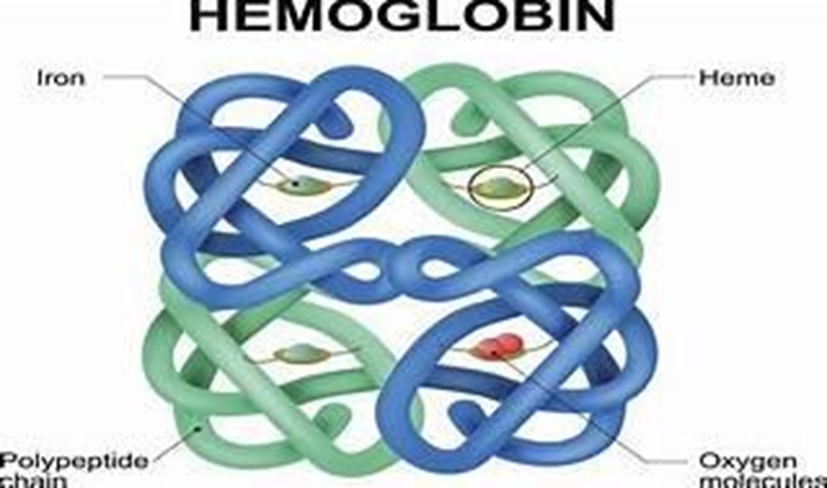
While marijuana use can have various health effects, it is not typically associated with a reduction in functional hemoglobin.
Choice B:
A diet high in fats can lead to various health problems, such as heart disease and obesity, but it is not directly linked to a reduction in functional hemoglobin.
Choice C:
Smoking cigarettes can indeed lead to a reduction in functional hemoglobin. Smokers have higher blood hemoglobin concentrations than non-smokers. This is because smoking causes the body to increase red blood cell production to compensate for lower oxygen supply.
Choice D:
While excessive alcohol consumption can have numerous negative health effects, it is not typically associated with a reduction in functional hemoglobin.
Correct Answer is B
Explanation
Choice A rationale
Applying hydrocolloids to the wound bed is not a form of mechanical debridement. Hydrocolloids are dressings that provide a moist environment and promote autolytic debridement but do not mechanically remove necrotic tissue.
Choice B rationale
Pulsating lavage is a form of mechanical debridement. It involves the use of a pressurized, pulsed solution to cleanse and remove debris and necrotic tissue from the wound bed, which is essential for the healing process of a stage 4 pressure injury.
Choice C rationale
Using a topical enzyme solution in the wound bed is a chemical, not mechanical, method of debridement. Enzymatic debridement uses proteolytic enzymes to break down necrotic tissue without affecting viable tissue.
Choice D rationale
Placing a transparent dressing over the pressure injury is not a form of debridement. Transparent dressings allow for oxygen exchange and protect the wound from infection, but they do not debride the wound.
Whether you are a student looking to ace your exams or a practicing nurse seeking to enhance your expertise , our nursing education contents will empower you with the confidence and competence to make a difference in the lives of patients and become a respected leader in the healthcare field.
Visit Naxlex, invest in your future and unlock endless possibilities with our unparalleled nursing education contents today