
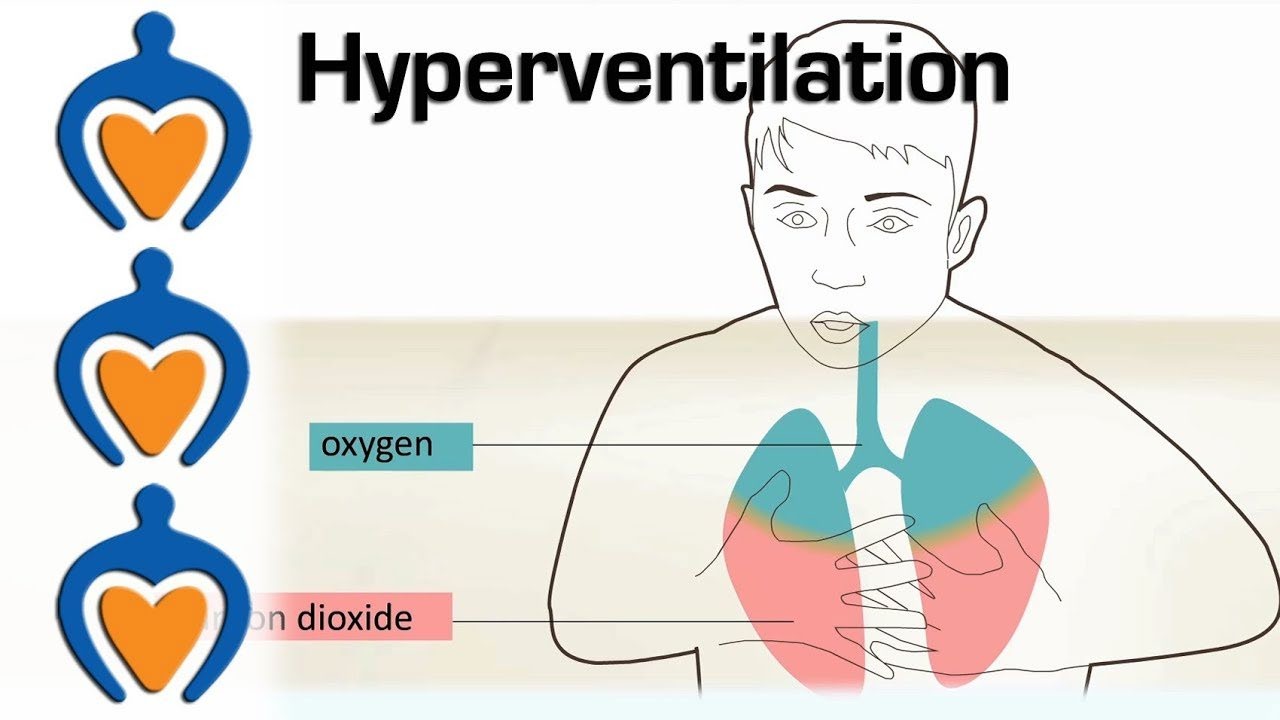
A nurse is collecting data on a patient who has respiratory alkalosis. Which of the following findings should the nurse expect?
Hyperventilation
Dyspnea
Abdominal pain
Dizziness
The Correct Answer is A
Choice A reason: Hyperventilation is a common response to respiratory alkalosis as the body tries to compensate for the high pH by exhaling more carbon dioxide.
Choice B reason: Dyspnea, or difficulty breathing, may be present but is not as specific as hyperventilation for respiratory alkalosis.
Choice C reason: Abdominal pain is not typically associated with respiratory alkalosis.
Choice D reason: Dizziness can be a symptom of respiratory alkalosis due to changes in blood chemistry, but it is less specific than hyperventilation.
Nursing Test Bank
Naxlex Comprehensive Predictor Exams
Related Questions
Correct Answer is B
Explanation
Choice A reason: Administering sodium bicarbonate is not indicated for respiratory alkalosis as it is an alkalinizing agent and could worsen the condition.
Choice B reason: Breathing into a paper bag can help to rebreathe CO2, which can help correct the pH in cases of hyperventilation-induced respiratory alkalosis.
Choice C reason: Having the patient's head between their knees is not a standard intervention for respiratory alkalosis and could be uncomfortable or unsafe for the patient.
Choice D reason: Acetazolamide is a diuretic that can cause metabolic acidosis to compensate for respiratory alkalosis, but it is not typically used for acute management of hyperventilation.
Correct Answer is C
Explanation
Choice A reason: Cisapride is a prokinetic agent that increases gastrointestinal motility and is unlikely to cause constipation.
Choice B reason: Magnesium-containing antacids typically cause diarrhea rather than constipation.
Choice C reason: Opioid analgesics are known to slow gastrointestinal motility, which can lead to constipation, making this the correct answer.
Choice D reason: Statins are used to lower cholesterol and are not commonly associated with causing constipation.
Choice E reason: Anticholinergic/antispasmodic medications can cause constipation due to their action on the nervous system, which reduces muscle contractions in the gastrointestinal tract.
Whether you are a student looking to ace your exams or a practicing nurse seeking to enhance your expertise , our nursing education contents will empower you with the confidence and competence to make a difference in the lives of patients and become a respected leader in the healthcare field.
Visit Naxlex, invest in your future and unlock endless possibilities with our unparalleled nursing education contents today