
A nurse is caring for a patient who is receiving total parenteral nutrition (TPN). Which of the following conditions should the nurse monitor the patient for as a complication of TPN?
Aspiration
Polyuria
C. Stomatitis
Abdominal distention
The Correct Answer is D
Choice A rationale
Aspiration is not a common complication of TPN. TPN is administered intravenously, bypassing the gastrointestinal tract, which reduces the risk of aspiration. Choice B rationale
Polyuria, or excessive urination, is not typically a direct complication of TPN. However, the fluid balance of patients on TPN should be monitored, as both overhydration and dehydration can lead to urinary changes.
Choice C rationale
Stomatitis, or inflammation of the mouth and lips, is not a common complication of TPN. Since TPN bypasses the gastrointestinal tract, it does not typically cause oral complications.
Choice D rationale
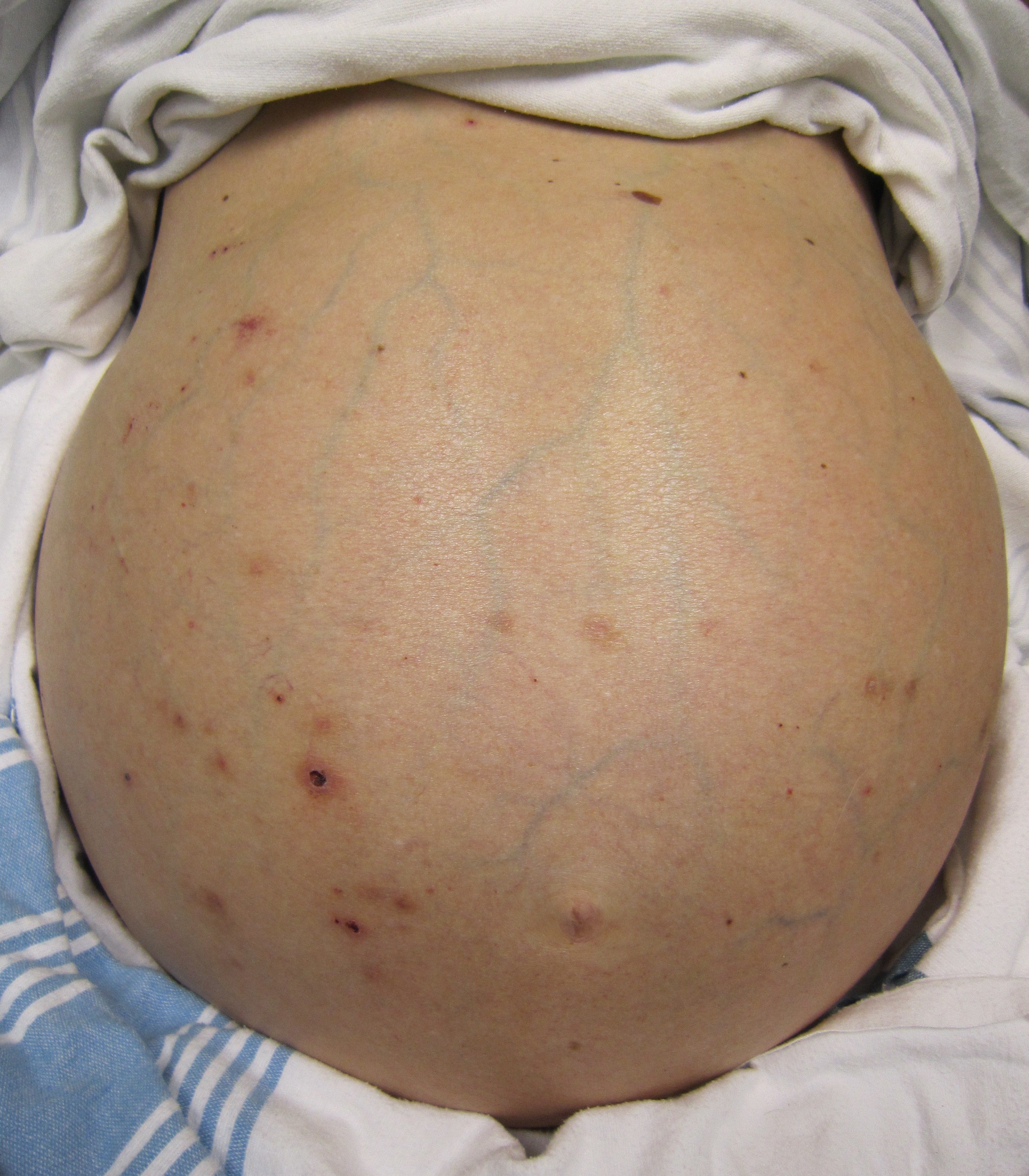
Abdominal distention can occur as a complication of TPN. This is because TPN can cause an imbalance in the gut flora, leading to gas production and bloating. Additionally, if a patient on TPN has an underlying condition that affects gut motility, they may experience abdominal distention.
Nursing Test Bank
Naxlex Comprehensive Predictor Exams
Related Questions
Correct Answer is ["B"]
Explanation
Choice A rationale
A bicarbonate level of 60 mosm/kg is not a manifestation of dehydration. In fact, dehydration can lead to metabolic acidosis, which would result in a decreased bicarbonate level.
Choice B rationale
A urine specific gravity of 1.035 is a manifestation of dehydration. The kidneys concentrate the urine in an attempt to conserve water, leading to an increased specific gravity.
Choice C rationale
A blood sodium level of 50 meq/L is not a manifestation of dehydration. Dehydration can lead to hypernatremia, or an increased sodium level, due to the loss of water.
Choice D rationale
A blood creatinine level of 0.6 mg/dL is not a manifestation of dehydration. Dehydration can lead to an increase in creatinine levels due to decreased renal perfusion.
Correct Answer is ["A","D","E"]
Explanation
A. Hypotension: Frequent vomiting and diarrhea can cause dehydration, which can lead to hypotension.
B. Bradycardia: Bradycardia is not typically a symptom of dehydration caused by vomiting and diarrhea.
C. Pale yellow urine: Dehydration can cause urine to become concentrated, resulting in a darker color, not pale yellow.
D. Poor skin turgor: Dehydration can cause poor skin turgor, which is skin that lacks elasticity.
E. Flat neck veins: Dehydration can cause flat neck veins when the patient is lying supine.
Whether you are a student looking to ace your exams or a practicing nurse seeking to enhance your expertise , our nursing education contents will empower you with the confidence and competence to make a difference in the lives of patients and become a respected leader in the healthcare field.
Visit Naxlex, invest in your future and unlock endless possibilities with our unparalleled nursing education contents today