
A home health nurse is teaching a client who has diabetes mellitus about proper home disposal of syringes. Which of the following instructions should the nurse include?
"Put the cap on the syringe before placing it in a trash can."
Place the syringe in a metal coffee can with a lid.
"Use a resealable bag when disposing of the syringe."
"Break the needle off the syringe before disposal."
The Correct Answer is A
A. Putting the cap on the syringe before placing it in a trash can helps ensure safe disposal and reduces the risk of needlestick injuries.
B. Placing the syringe in a metal coffee can with a lid is not a recommended method for home disposal.
C. Using a resealable bag may not provide sufficient protection, and it may pose risks to individuals handling the trash.
D. Breaking the needle off the syringe is not a safe method for disposal and increases the risk of needlestick injuries.
Nursing Test Bank
Naxlex Comprehensive Predictor Exams
Related Questions
Correct Answer is B
Explanation
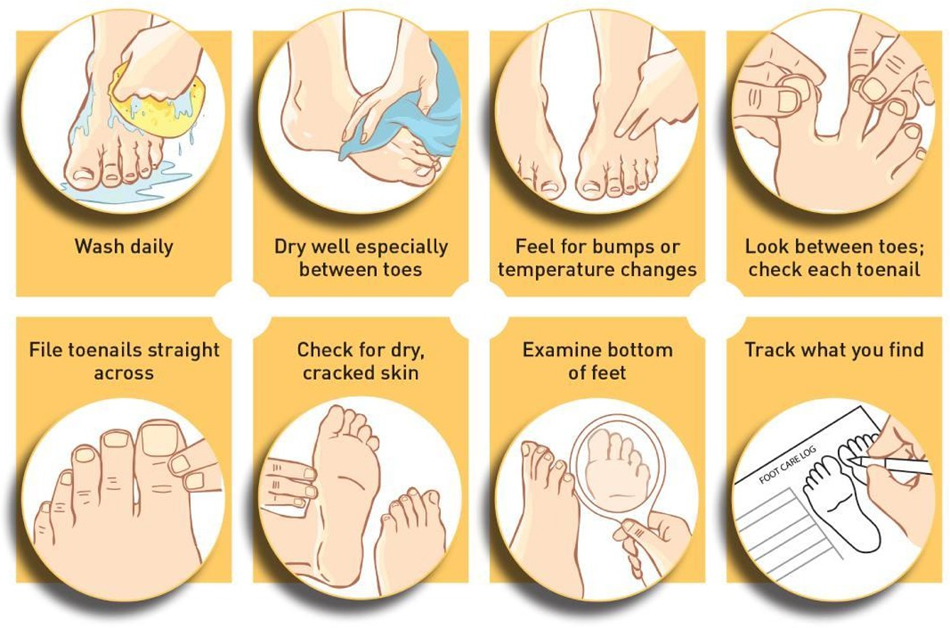
A. Wearing cotton socks is appropriate as they allow for better air circulation.
B. Cutting nails rounded at the corners can lead to ingrown toenails, which is not recommended for individuals with diabetes.
C. Using a mirror for daily foot inspection is a good practice to identify any issues early.
D. Buying shoes late in the afternoon accounts for any swelling that may occur during the day, which is a suitable practice for individuals with diabetes.
Correct Answer is ["150"]
Explanation
The question is about calculating the IV infusion rate for a given solution and volume.
The formula for the infusion rate is: (volume in mL / time in hours) x drop factor in gtts/mL = infusion rate in gtts/min
The drop factor is usually given on the IV tubing package and varies depending on the type of tubing used.
For this question, we can assume a drop factor of 15 gtts/mL, which is common for macrodrip tubing.
Plugging in the numbers, we get: (1200 mL / 8 hr) x 15 gtts/mL = 2250 gtts/hr
To convert from gtts/hr to mL/hr, we divide by the drop factor: 2250 gtts/hr / 15 gtts/mL = 150 mL/hr
Therefore, the nurse should set the IV pump to deliver 150 mL/hr.
Whether you are a student looking to ace your exams or a practicing nurse seeking to enhance your expertise , our nursing education contents will empower you with the confidence and competence to make a difference in the lives of patients and become a respected leader in the healthcare field.
Visit Naxlex, invest in your future and unlock endless possibilities with our unparalleled nursing education contents today